Modi's UAE Visit: India's Strategic Gambit Amidst Middle East Geopolitical Flux
Prime Minister Narendra Modi's recent visit to the UAE underscores India's proactive diplomacy in a rapidly shifting Middle East. Amidst the Iran war and evolving Pakistan-Saudi ties, New Delhi is strategically deepening energy and economic partnerships with Abu Dhabi. This high-stakes engagement aims to secure India's interests, particularly in energy security and regional stability, while navigating complex geopolitical currents.
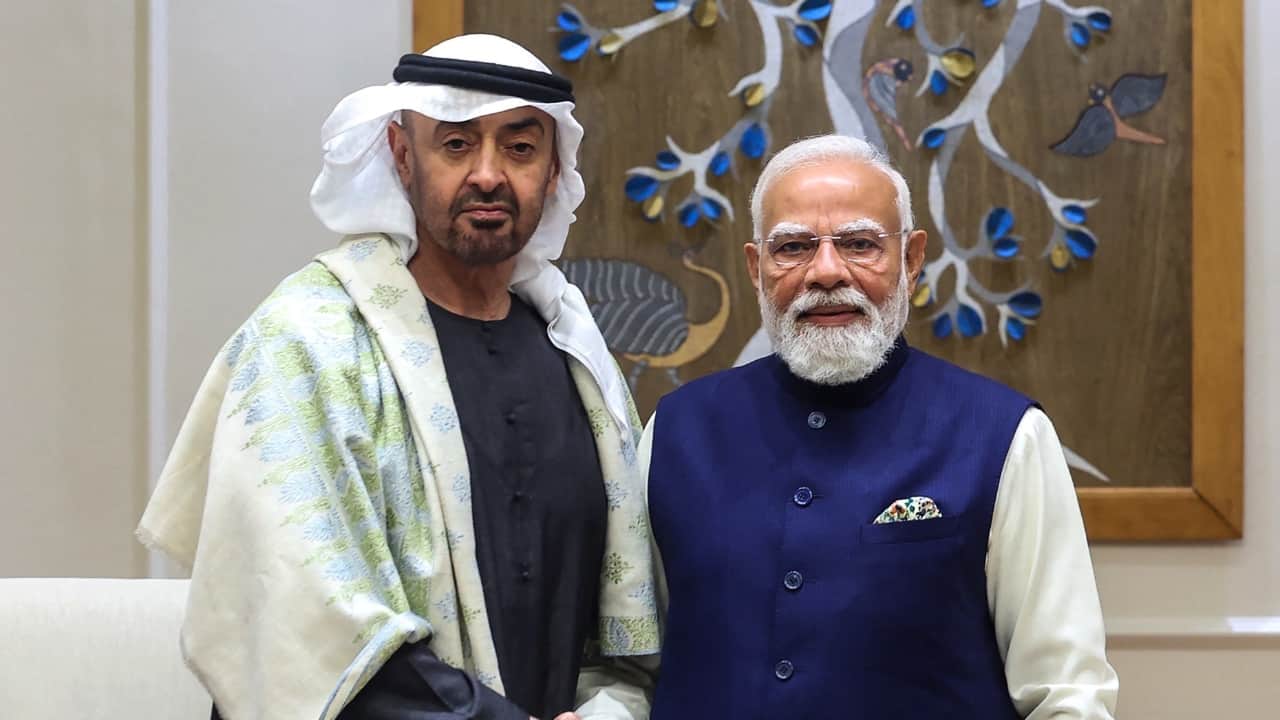
The sands of the Middle East are shifting, not just geographically, but geopolitically, with a speed and intensity rarely witnessed. In this volatile landscape, India, a rising global power, is meticulously charting its course. Prime Minister Narendra Modi's recent, brief but profoundly significant, stopover in the United Arab Emirates (UAE) on May 15 was far more than a routine diplomatic exchange; it was a strategic gambit, a calculated move to solidify critical alliances and secure vital national interests amidst a regional tapestry woven with conflict, evolving partnerships, and unprecedented uncertainty. As the war in Iran continues to reshape the region's power dynamics and traditional alliances, India's proactive engagement with the UAE emerges as a cornerstone of its foreign policy, aiming to safeguard its energy security, bolster economic ties, and project its influence in a crucial geopolitical theater.
The Geopolitical Chessboard: Iran, Pakistan, and the UAE
The backdrop to Modi's visit is a complex and highly charged geopolitical environment. The ongoing conflict in Iran has triggered a seismic reset across the Middle East, forcing nations to re-evaluate their allegiances and strategic priorities. For India, a major energy importer, the stability of the Gulf region is paramount. Any disruption to oil supplies or maritime trade routes could have severe repercussions on its burgeoning economy. Simultaneously, the evolving relationship between Pakistan and Saudi Arabia adds another layer of complexity. Historically, Saudi Arabia has been a close ally of Pakistan, offering financial aid and diplomatic support. While this relationship remains strong, there are subtle shifts, and India is keen to ensure that its own strategic partnerships in the region are robust enough to withstand potential realignments.
The UAE, a pivotal player in the Gulf Cooperation Council (GCC) and a nation undergoing rapid modernization and diversification, has emerged as one of India's most trusted partners. Both nations share a vision for economic growth, technological advancement, and regional stability. Modi's visit, therefore, was an opportunity to not only reiterate this shared vision but to translate it into tangible agreements that serve mutual interests. The discussions were expected to culminate in key Memoranda of Understanding (MoUs) in critical sectors such as Liquefied Petroleum Gas (LPG) and Strategic Petroleum Reserves (SPR), signaling a deeper commitment to energy cooperation and resilience.
Deepening Energy Security: LPG and Strategic Petroleum Reserves
For a nation like India, which imports over 80% of its crude oil requirements, energy security is not merely an economic concern but a national security imperative. The proposed MoUs on LPG and SPR are thus of immense strategic importance. The LPG agreement would likely streamline and secure the supply of cooking gas, a vital commodity for millions of Indian households, directly impacting the welfare of its citizens. This move would reduce India's vulnerability to price fluctuations and supply disruptions in the global market, especially during times of geopolitical instability.
The agreement on Strategic Petroleum Reserves is even more critical. SPRs act as a buffer against unforeseen supply shocks, providing a critical safety net for a nation's energy needs. By collaborating with the UAE on SPRs, India could potentially gain access to storage facilities or secure commitments for emergency supplies, thereby enhancing its ability to withstand global energy crises. This partnership goes beyond mere transactional trade; it signifies a mutual trust and a shared understanding of the need for resilient energy infrastructure. It also reflects a broader trend where energy-consuming nations are seeking to diversify their sources and storage options, moving away from over-reliance on any single region or supplier, particularly in a world where energy markets are increasingly weaponized.
Beyond Energy: Economic and Strategic Convergence
While energy forms the bedrock of the India-UAE relationship, the partnership extends far beyond oil and gas. The UAE is India's third-largest trading partner and a significant investor. Bilateral trade has been on an upward trajectory, fueled by agreements like the Comprehensive Economic Partnership Agreement (CEPA), which came into effect in May 2022. CEPA has been instrumental in boosting non-oil trade and facilitating greater investment flows between the two nations. The agreement aims to increase bilateral non-oil trade to $100 billion by 2030, a testament to the ambitious economic vision shared by both leaderships.
Modi's visit likely included discussions on expanding cooperation in areas such as renewable energy, digital transformation, infrastructure development, and food security. The UAE's sovereign wealth funds are keen to invest in India's rapidly growing economy, particularly in sectors like logistics, manufacturing, and technology. Conversely, Indian companies are finding fertile ground in the UAE, utilizing its strategic location as a gateway to the wider Middle East and Africa. This economic synergy creates a powerful incentive for both nations to maintain a stable and robust relationship, irrespective of external pressures.
From a strategic perspective, both India and the UAE are keen on promoting regional stability and combating terrorism. They share concerns about extremist ideologies and the need for a rules-based international order. This convergence of strategic interests provides a strong foundation for defense cooperation, intelligence sharing, and joint efforts in multilateral forums. The UAE's growing stature as a regional power and its proactive diplomacy align well with India's aspirations for a multipolar world order where it plays a more prominent role.
India's 'Act West' Policy and Global Aspirations
Modi's visit to the UAE is a clear manifestation of India's broader 'Act West' policy, a strategic pivot to deepen engagement with the Middle East, mirroring its successful 'Act East' policy. This policy recognizes the region not just as a source of energy and remittances but as a critical partner in India's economic growth and strategic outreach. By strengthening ties with key Gulf nations like the UAE, India aims to create a stable economic corridor that connects South Asia with the Middle East and beyond, potentially integrating into larger global supply chains and trade networks.
Furthermore, India's growing engagement with the UAE and other Gulf states is part of its larger strategy to assert its role as a responsible global stakeholder. As India aspires to a permanent seat on the UN Security Council and seeks to play a more significant role in global governance, building strong, reliable partnerships across diverse regions becomes imperative. The UAE, with its influential position in the Arab world and its growing diplomatic footprint, is an ideal partner in this endeavor. The visit also subtly underscores India's ability to maintain balanced relationships with various regional powers, including Iran, while simultaneously strengthening alliances with its Gulf neighbors, a delicate diplomatic dance that few nations can execute with such finesse.
A Forward-Looking Partnership in a Turbulent Era
Prime Minister Modi's visit to the UAE, though brief, carries a weighty message: India is committed to its strategic partnerships in the Middle East, viewing them as indispensable for its national interests and regional stability. The agreements on LPG and Strategic Petroleum Reserves are more than just commercial deals; they are symbols of a deepening trust and a shared vision for a resilient future. As the Middle East continues to navigate the complexities of conflict, shifting alliances, and economic transformations, the India-UAE partnership stands out as a beacon of stability and mutual benefit. It is a relationship built on pragmatism, shared economic goals, and a common desire for peace and prosperity, poised to play an even more crucial role in shaping the geopolitical contours of the 21st century. India's proactive diplomacy ensures that its voice is heard, its interests are protected, and its influence continues to grow in a region that remains central to global affairs.
Stay Informed
Get the world's most important stories delivered to your inbox.
No spam, unsubscribe anytime.
Comments
No comments yet. Be the first to share your thoughts!