Moeraki's Literary Gem: The $160K Crib Where Booker Prize History Was Made
A humble leasehold crib in the serene coastal town of Moeraki, New Zealand, has recently garnered unexpected attention, not for its price tag, but for its profound literary and biographical connection to the late Booker Prize-winning author Keri Hulme. This property, now on the market for $160,000, served as a backdrop and inspiration for Hulme's seminal novel, 'The Bone People'. Its sale sparks reflection on the intersection of literature, landscape, and the quiet lives that shape global narratives, far from the madding crowd.
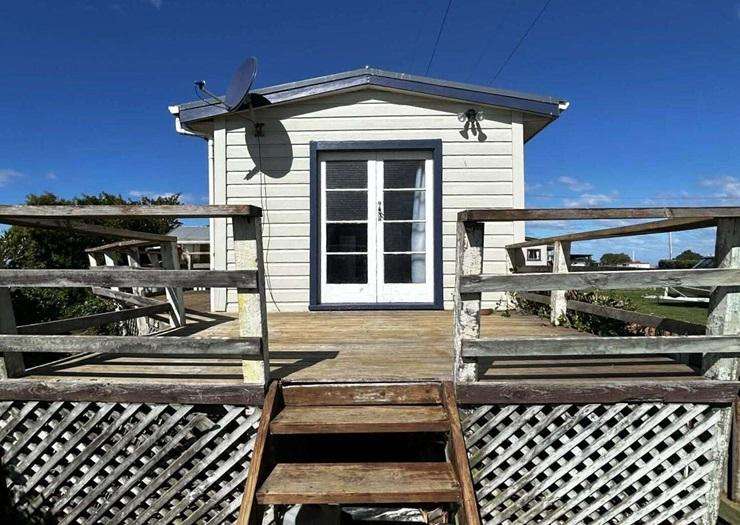
In the tranquil, windswept embrace of Moeraki, a tiny coastal settlement on New Zealand's South Island, a seemingly modest property has emerged from obscurity to capture the imagination of literary enthusiasts and property pundits alike. Priced at a surprisingly accessible $160,000, this leasehold crib at 32/125 Kaika Road is far more than just a dwelling; it is a tangible link to one of New Zealand's most celebrated literary figures, Keri Hulme, author of the Booker Prize-winning novel, 'The Bone People'. This unassuming 'crib' – the South Island term for a small holiday home – served not only as a personal retreat for Hulme but also as a profound inspiration and setting for her groundbreaking work, offering a rare glimpse into the genesis of a literary masterpiece.
The property's listing has brought renewed attention to Hulme's legacy, highlighting the deep connection between her life, the rugged Moeraki landscape, and the narrative tapestry of her most famous book. For many, the idea of owning a piece of this literary history, a place where creative genius once flourished, is an alluring prospect, transcending the usual considerations of real estate. It's a testament to the enduring power of place in shaping art and identity, and a poignant reminder of the quiet, often overlooked, corners of the world where profound stories are born.
The Bone People's Enduring Legacy and Moeraki's Muse
Keri Hulme's 'The Bone People', published in 1984, was a literary earthquake. It shattered conventions, blending Māori mythology, psychological depth, and a raw, unflinching portrayal of human relationships. The novel, which explores themes of identity, abuse, and redemption through the lives of three complex characters, went on to win the prestigious Booker Prize in 1985, making Hulme the first New Zealander and the first woman of Māori descent to receive the award. Her victory was not just a personal triumph but a landmark moment for New Zealand literature, bringing indigenous voices and unique cultural narratives to a global stage.
Moeraki, with its dramatic boulders, windswept beaches, and a sense of isolation, was more than just a backdrop for Hulme; it was an active participant in her creative process. The novel's intense atmosphere, its characters' deep connection to the land and sea, and its exploration of cultural heritage are all inextricably linked to Hulme's life in this remote community. The crib itself, with its simple structure and proximity to the elements, embodies the minimalist, contemplative lifestyle that often fuels profound artistic creation. It's easy to imagine Hulme gazing out at the vast Pacific, the rhythmic crash of waves providing a natural soundtrack to her thoughts, as she meticulously crafted the intricate world of Kerewin, Joe, and Simon.
A Glimpse into the Author's World
The agent handling the sale, Kate Hulme (no relation to Keri Hulme), reportedly had a surprising encounter when she first viewed the property. This anecdotal detail underscores the unique character of the crib and its surroundings. The description of Moeraki as a place with “no traffic or anything - just seals” paints a vivid picture of its serene, almost otherworldly charm. This tranquility was precisely what drew Keri Hulme to the area and allowed her the space to delve into the complex narratives of 'The Bone People'.
For potential buyers, the appeal of this property extends beyond its bricks and mortar. It offers a unique opportunity to inhabit a space imbued with literary history. Imagine writing, reading, or simply contemplating in the very rooms where a Booker Prize-winning novel took shape. This connection to a celebrated author adds an intangible, yet immensely valuable, layer to the property's appeal, transforming it from a mere dwelling into a cultural artifact. It's a chance to step into the footsteps of a literary giant, to experience the same quietude and inspiration that fueled her creativity.
The Market for Literary Landmarks: Niche Appeal and Cultural Value
The sale of properties with significant literary or historical connections occupies a fascinating niche within the real estate market. While conventional metrics like square footage, amenities, and location still play a role, the primary driver for such purchases is often the intangible cultural value. Buyers are not just acquiring a house; they are acquiring a piece of history, a connection to a revered figure, or a site of creative genesis.
* Cultural Cachet: Owning a property linked to a famous author or artist provides immense cultural cachet, attracting individuals who value heritage and intellectual legacy. * Tourism Potential: Such properties can also hold potential for literary tourism, drawing visitors interested in exploring the lives and works of their favorite authors. * Preservation and Stewardship: Often, buyers are motivated by a desire to preserve these sites, ensuring their historical and literary significance is maintained for future generations.
In the case of the Moeraki crib, its relatively modest price point makes it accessible to a broader range of buyers than, say, a grand estate once owned by a Victorian novelist. This accessibility could open the door for a passionate individual or even a literary foundation to acquire and preserve this significant piece of New Zealand's cultural heritage. The challenge, however, lies in balancing preservation with practicality, ensuring the property remains a living testament to Hulme's work rather than a static museum piece.
Beyond the Price Tag: A Reflection on Art, Solitude, and Identity
The story of Keri Hulme's Moeraki crib is a powerful reminder that profound art often emerges from quiet corners, far removed from the clamor of urban life. It underscores the importance of solitude and connection to nature as catalysts for creativity. Hulme, a fiercely independent spirit, found in Moeraki the space and inspiration needed to craft a novel that would resonate globally and challenge conventional storytelling.
Her work, particularly 'The Bone People', remains a cornerstone of New Zealand literature, celebrated for its unique voice and its exploration of complex themes surrounding Māori identity, colonial impact, and the universal human struggle for connection and healing. The crib, therefore, is not just a building; it is a symbol of artistic dedication, a physical manifestation of the environment that nurtured a literary genius. Its sale invites us to reflect on the places that shape us, the stories they hold, and the enduring legacy of those who dared to tell them.
As this humble crib awaits its next owner, it carries with it the echoes of Keri Hulme's thoughts, the whispers of her characters, and the profound silence of a place where literature found its voice. Whether it becomes a private sanctuary, a writer's retreat, or a small museum, its future will undoubtedly be watched with keen interest by those who appreciate the deep, often hidden, connections between life, land, and the written word. It stands as a testament to the fact that sometimes, the most valuable treasures are found not in grand estates, but in unassuming spaces where creativity was allowed to simply be, surrounded by nothing but the sea and the seals. Its story reminds us that true value often lies beyond monetary figures, residing instead in the cultural and historical narratives it embodies.
Stay Informed
Get the world's most important stories delivered to your inbox.
No spam, unsubscribe anytime.
Comments
No comments yet. Be the first to share your thoughts!