Morocco Joins Artemis Accords: A New Era for African Space Exploration and Global Cooperation
Morocco has officially become the 64th signatory to NASA's Artemis Accords, marking a pivotal moment for its burgeoning space ambitions and solidifying its role as a key player in international space governance. This move not only positions Morocco as the fifth African nation to join the framework but also underscores a growing global commitment to responsible and peaceful space exploration. The Accords, led by the U.S., establish a set of principles for lunar and deep space activities, fostering collaboration and transparency among participating nations.
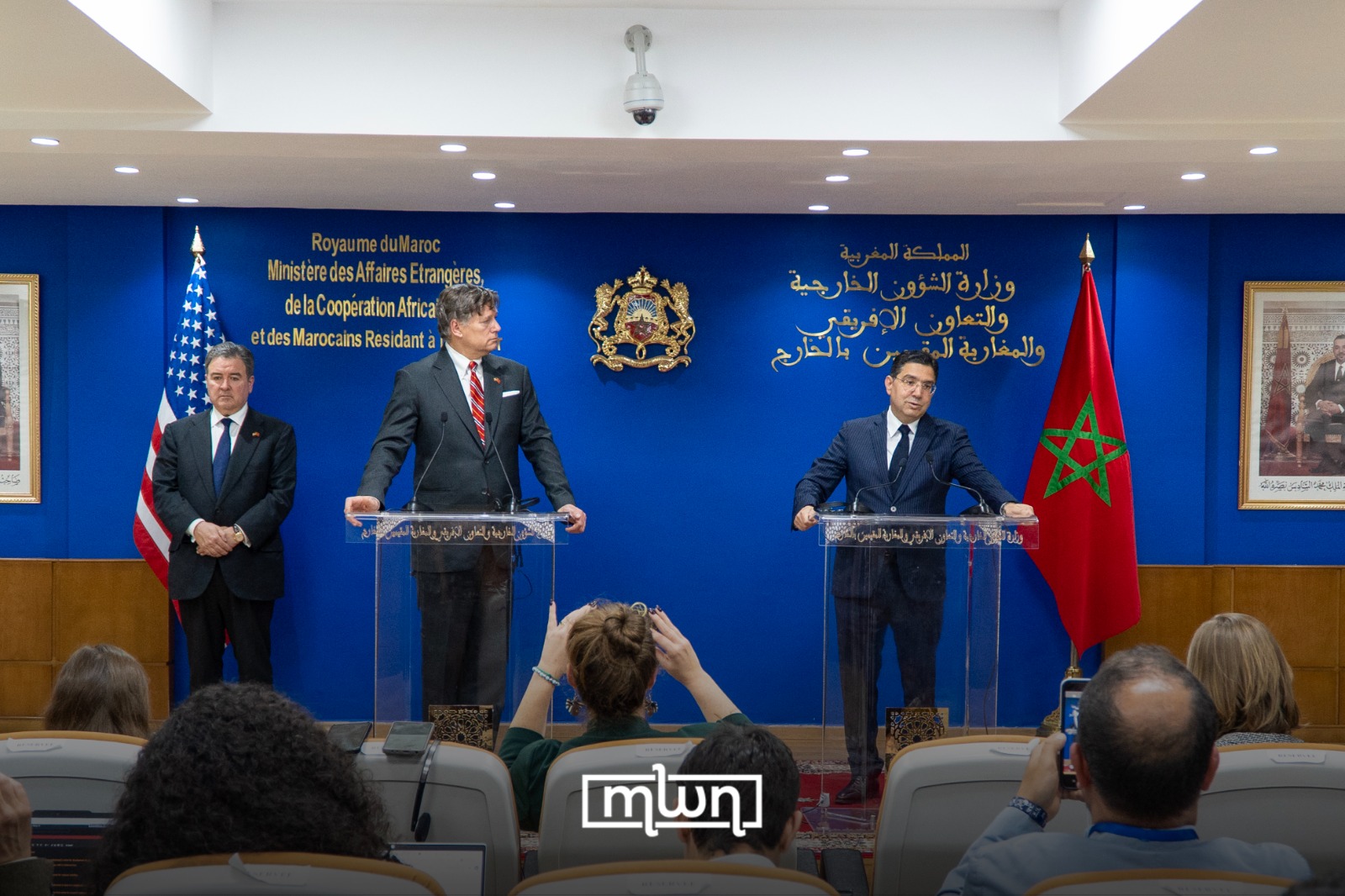
The cosmos, once the exclusive domain of a few powerful nations, is rapidly becoming a shared frontier, and Morocco has just staked its claim. In a landmark move on Wednesday, Rabat witnessed the official signing of the Artemis Accords by Foreign Minister Nasser Bourita, making Morocco the 64th country globally and the fifth in Africa to join this U.S.-led framework for civil space exploration. This accession is far more than a diplomatic formality; it signals Morocco's strategic vision for technological advancement, international cooperation, and its aspiration to become a significant contributor to humanity's return to the Moon and beyond.
The Artemis Accords: Principles for a New Space Age
Launched in 2020 by the U.S. National Aeronautics and Space Administration (NASA) in collaboration with the U.S. Department of State, the Artemis Accords are a set of non-binding, political principles designed to guide responsible and sustainable civil space exploration. They are built upon the foundation of the 1967 Outer Space Treaty and aim to establish a common understanding of best practices for lunar and deep space activities. Key tenets of the Accords include:
* Peaceful Purposes: All activities are to be conducted for peaceful purposes. * Transparency: Signatories commit to open and transparent operations. * Interoperability: Promoting common standards and systems for space infrastructure. * Emergency Assistance: Providing aid to astronauts in distress. * Registration of Space Objects: Maintaining public records of space launches. * Release of Scientific Data: Sharing scientific information with the global community. * Preservation of Heritage: Protecting historical lunar and celestial sites. * Space Resources: Extraction and utilization of space resources in accordance with the Outer Space Treaty. * Deconfliction of Activities: Preventing harmful interference between operations. * Orbital Debris: Mitigating space debris.
Morocco's commitment to these principles aligns with its broader foreign policy objectives of multilateralism and international cooperation. By joining the Accords, Morocco is not only endorsing these norms but also gaining a seat at the table in shaping the future of space governance.
Morocco's Growing Space Ambitions and African Leadership
Morocco's entry into the Artemis Accords is not an isolated event but rather a culmination of years of strategic investment and development in its space capabilities. The North African nation has been steadily building its expertise, particularly in Earth observation and satellite technology. The launch of its Mohammed VI-A and Mohammed VI-B satellites in 2017 and 2018, respectively, marked significant milestones, providing crucial data for agricultural monitoring, urban planning, disaster management, and border surveillance. These satellites, developed in partnership with France, demonstrate Morocco's capacity for sophisticated space technology.
Furthermore, Morocco has been actively fostering scientific research and education in space-related fields. Universities and research institutions are increasingly engaging in astrophysics, remote sensing, and aerospace engineering. This commitment to developing a domestic talent pool is crucial for sustained engagement in the space sector. As the fifth African nation to join the Accords, following Rwanda, Nigeria, Angola, and Sierra Leone, Morocco reinforces Africa's growing presence in the global space arena. This collective African engagement signals a continent-wide recognition of space as a critical domain for economic development, scientific advancement, and national security.
Geopolitical Implications and International Partnerships
Morocco's decision to join the Artemis Accords carries significant geopolitical weight. It strengthens its strategic partnership with the United States, a relationship that spans decades and encompasses various sectors, including defense, trade, and technology. The Accords provide a new dimension to this alliance, opening avenues for collaboration in cutting-edge scientific and technological endeavors. For the U.S., Morocco's accession further broadens the international consensus around its vision for lunar exploration, particularly as competition in space intensifies with other major space powers.
This move also positions Morocco as a key interlocutor between the U.S. and other African nations, potentially facilitating broader African participation in future space initiatives. The Accords are designed to be inclusive, inviting nations of all sizes and levels of space capability to participate. This inclusivity is vital for building a truly global framework for space exploration that benefits all of humanity. Morocco's role as a bridge between Europe, Africa, and the Middle East makes it a particularly valuable partner in this regard.
The Future: Opportunities and Challenges
Morocco's participation in the Artemis Accords opens up a plethora of opportunities. It could lead to increased access to cutting-edge U.S. space technology and expertise, foster joint research projects, and potentially create new economic sectors within Morocco related to space services and manufacturing. Moroccan scientists and engineers may gain opportunities to participate directly in Artemis missions, contributing to lunar exploration and scientific discovery. The Accords could also accelerate the development of Morocco's domestic space industry, attracting foreign investment and creating high-skilled jobs.
However, joining the Accords also presents challenges. Morocco will need to continue investing heavily in its space infrastructure, human capital, and regulatory frameworks to fully leverage the benefits of participation. Ensuring compliance with the Accords' principles will require robust national policies and international coordination. Furthermore, the long-term sustainability of space activities, including resource utilization and debris mitigation, will require ongoing commitment and innovation from all signatories.
In conclusion, Morocco's entry into the Artemis Accords is a bold step forward, cementing its place in the global space community and underscoring its commitment to a future where space exploration is conducted responsibly, transparently, and collaboratively. As humanity looks towards a sustained presence on the Moon and missions to Mars, Morocco's contribution will be invaluable, helping to shape a new era of international cooperation in the final frontier. This is not just about reaching for the stars; it's about building a framework for peace and progress among nations on Earth, reflected in the vastness of space.
Stay Informed
Get the world's most important stories delivered to your inbox.
No spam, unsubscribe anytime.
Comments
No comments yet. Be the first to share your thoughts!