Moscow's Victory Day Parade Scales Back: A Telling Omission of Military Hardware
For the first time since 1945, Moscow's iconic May 9 Victory Day parade will proceed without heavy military equipment, a decision attributed to the "current operational situation." This significant departure from tradition sparks intense global speculation regarding Russia's military capabilities and strategic priorities amid ongoing conflict. The scaled-back event offers a rare glimpse into the Kremlin's current challenges and its evolving narrative.
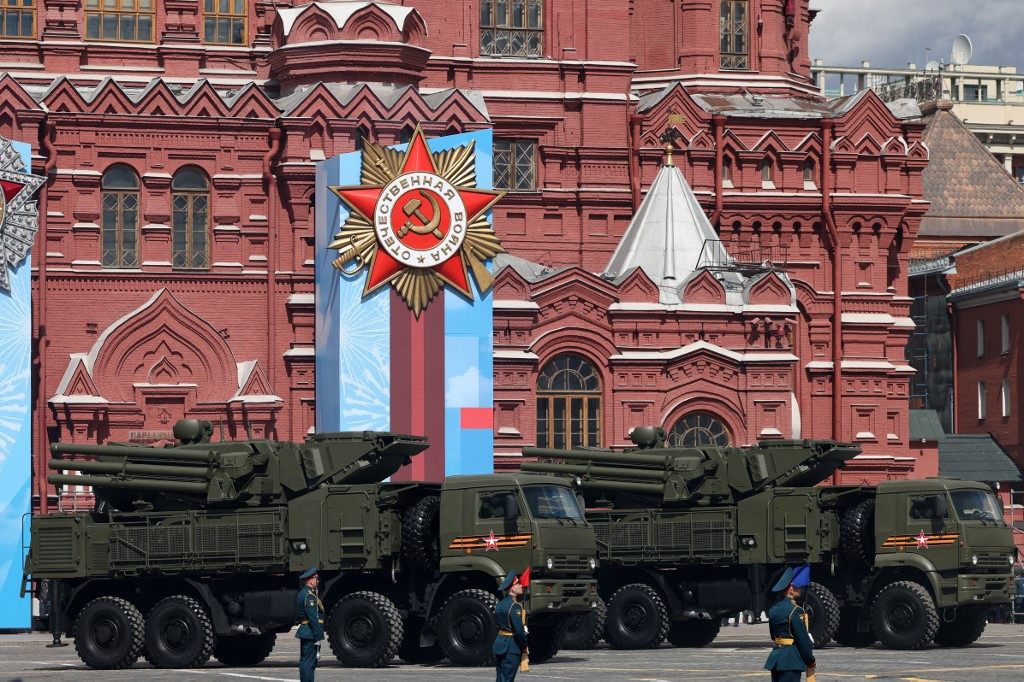
The annual May 9 Victory Day parade on Moscow's Red Square has long been a powerful display of Russian military might, a solemn commemoration of the Soviet Union's victory over Nazi Germany, and a vivid projection of national pride. This year, however, a profound shift will mark the event: for the first time since the end of World War II in 1945, the parade will proceed without columns of tanks, armored vehicles, and other heavy military hardware. The Russian Ministry of Defense confirmed this unprecedented decision, citing the “current operational situation” as the primary reason. This omission is not merely a logistical adjustment; it is a potent symbol, sparking widespread international analysis and raising critical questions about Russia's military resources, strategic focus, and the underlying realities of its ongoing conflict.
A Stark Departure from Tradition
Victory Day, or "Den Pobedy," is arguably Russia's most cherished national holiday. It commemorates the immense sacrifice and triumph of the Soviet people in the Great Patriotic War, a conflict that claimed an estimated 27 million Soviet lives. The parade itself, a meticulously choreographed spectacle, traditionally features thousands of troops marching in lockstep, followed by a thunderous procession of state-of-the-art weaponry – from T-series tanks and advanced ballistic missile launchers to formidable air defense systems. This annual display serves multiple purposes: it reinforces national unity, honors veterans, and, crucially, projects an image of an unassailable military power to both domestic and international audiences. The absence of military hardware, therefore, represents a stark and undeniable break from a deeply ingrained tradition, one that has defined Russia's public image for nearly eight decades.
The official explanation, "current operational situation," is deliberately vague but widely interpreted as a direct reference to the demands of the ongoing conflict. Analysts suggest that the decision likely stems from a combination of factors: the need to preserve and deploy available equipment to the front lines, potential concerns about the optics of showcasing depleted or less advanced hardware, and perhaps even security considerations given the heightened tensions. In recent years, the parade has also been a platform for unveiling new military technologies, underscoring Russia's commitment to modernizing its armed forces. The absence of this component further highlights the current constraints.
Resource Allocation and Military Strain
The decision to forgo heavy equipment in the Victory Day parade provides a rare, albeit indirect, insight into the strain on Russia’s military resources. Reports from various intelligence agencies and independent military observers have consistently pointed to significant losses of tanks, armored personnel carriers, and artillery pieces since the conflict began. While Russia possesses vast stockpiles, the rate of attrition, coupled with the challenges of manufacturing new equipment under sanctions, has undoubtedly impacted its operational capacity. Redeploying valuable military assets from ceremonial duties to active combat zones underscores a pragmatic, if telling, prioritization by the Kremlin.
Furthermore, the logistical effort required to transport, prepare, and parade hundreds of heavy vehicles is substantial. Diverting personnel and resources for such an endeavor, when they could be utilized for training, maintenance, or deployment, might be deemed an inefficient use of vital assets during wartime. This pragmatic approach suggests that the “current operational situation” is not just about the availability of equipment, but also about the optimal allocation of all military resources, including personnel and logistical support.
The Evolving Narrative and Domestic Impact
Beyond the practical considerations, the scaled-back parade carries significant symbolic weight for Russia's domestic audience. For years, state media has leveraged the grandeur of Victory Day to foster a sense of national pride and to frame Russia's military as invincible. The absence of hardware could be a double-edged sword: while some may understand it as a necessary measure to support the troops, others might perceive it as a sign of weakness or an admission of difficulties. The Kremlin will undoubtedly work to control the narrative, emphasizing the solemnity of the occasion and the unwavering spirit of the Russian people, rather than focusing on the absence of military might.
Historically, the parade has been a powerful tool for legitimizing the government's military policies and rallying public support. The shift in format might necessitate a more nuanced approach to public messaging, focusing more on the human element of sacrifice and resilience, rather than purely on military power. This could also be an attempt to manage public expectations and prepare the populace for a potentially prolonged and resource-intensive conflict, signaling that the nation's focus is squarely on the front lines.
International Implications and Geopolitical Signals
Internationally, the scaled-back parade sends a clear signal. For Western observers, it reinforces the assessment that Russia's military is indeed facing significant challenges and resource constraints. It could be interpreted as an acknowledgment, however tacit, of the heavy toll the conflict has taken. This perception might embolden Ukraine and its allies, suggesting that sustained pressure on Russia's military-industrial complex is yielding tangible results.
Conversely, some might argue that the decision is a strategic move by Moscow to downplay its military posture publicly, perhaps to avoid escalating tensions further or to present a more defensive stance. However, the prevailing view among defense analysts is that the move primarily reflects operational necessity rather than a deliberate strategic deception. The absence of a grand military spectacle during such a pivotal time is a rare moment of transparency, albeit an unintentional one, into the realities facing the Russian military.
Looking Ahead: A New Era for Victory Day?
The 2024 Victory Day parade will undoubtedly be remembered as a pivotal moment, marking a significant departure from decades of tradition. While the official explanation points to current operational needs, the underlying implications are far-reaching. It speaks to the immense pressures on Russia's military, the evolving nature of its public narrative, and the complex geopolitical landscape in which it operates. Whether this scaled-back approach becomes a temporary adjustment or signals a more permanent shift in how Russia commemorates its most sacred national holiday remains to be seen. What is clear, however, is that the absence of tanks and missiles on Red Square on May 9th will resonate far beyond Moscow, offering a powerful, silent commentary on the state of global affairs and Russia's place within them. The world watches, interpreting every subtle change in this deeply symbolic event for clues to Russia's future trajectory and its capacity to project power on the international stage. This year, the message is less about overt strength and more about the quiet, yet profound, demands of war.
Stay Informed
Get the world's most important stories delivered to your inbox.
No spam, unsubscribe anytime.
Comments
No comments yet. Be the first to share your thoughts!