NGX RegCo Cracks Down: New Compliance Rules Shake Up Nigeria's Online Trading Landscape
Nigeria's financial market regulator, NGX Regulation Limited (NGX RegCo), has significantly tightened compliance requirements for online trading platforms. This move aims to bolster market integrity and protect investors by demanding prior approval for digital trading systems. Brokers failing to adhere to these new directives face severe sanctions, signaling a new era of stricter oversight in the rapidly evolving digital finance sector. The implications for fintech innovation and investor confidence are substantial.
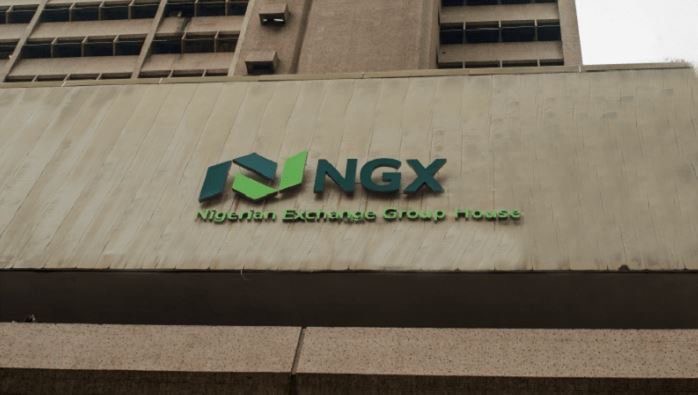
In a decisive move to fortify the integrity and stability of Nigeria's burgeoning financial markets, NGX Regulation Limited (NGX RegCo) has unveiled a stringent set of compliance requirements for online trading platforms. This regulatory tightening sends a clear message to Trading Licence Holders (TLHs): deploying digital trading systems without explicit prior approval from the regulator will no longer be tolerated and will attract severe sanctions. The directive marks a pivotal moment in Nigeria's journey towards a more regulated and secure digital financial ecosystem, aiming to protect investors and maintain market order amidst rapid technological advancements.
The Imperative for Stricter Oversight
The proliferation of online trading platforms has democratized access to financial markets, allowing a wider demographic of Nigerians to participate in stock, bond, and other investment opportunities. While this accessibility is largely positive, it also introduces inherent risks, particularly concerning data security, operational integrity, and investor protection. Unregulated or inadequately regulated platforms can become conduits for market manipulation, fraud, and money laundering, eroding public trust and destabilizing the financial system.
NGX RegCo's latest pronouncement is a direct response to these evolving challenges. The regulator recognizes that the rapid pace of technological innovation often outstrips existing regulatory frameworks. By demanding prior approval for all digital trading systems, NGX RegCo aims to ensure that these platforms meet robust standards for security, transparency, and operational resilience before they are rolled out to the public. This proactive approach is critical in a market where retail participation is growing, and the allure of quick returns can sometimes overshadow due diligence.
Historically, financial regulators globally have grappled with the challenge of overseeing digital innovation. The Nigerian market, with its youthful and tech-savvy population, is particularly susceptible to the rapid adoption of new trading technologies. This makes NGX RegCo's intervention not just timely but essential. The move aligns Nigeria with global best practices where regulators in developed markets like the UK (FCA) and the US (SEC) maintain strict oversight over digital trading infrastructure to safeguard market participants.
Key Directives and Potential Sanctions
The core of NGX RegCo's new directive revolves around prior regulatory approval for any digital trading system deployed by TLHs. This includes, but is not limited to, proprietary trading applications, third-party vendor solutions, and any technological infrastructure that facilitates online trading activities. TLHs are now mandated to submit detailed documentation outlining the system's architecture, security protocols, risk management frameworks, and compliance mechanisms for thorough review by NGX RegCo.
Failure to comply with these enhanced requirements carries significant penalties. While the specific sanctions were not fully detailed in the initial announcement, industry experts anticipate a range of punitive measures, including hefty fines, suspension of trading licenses, and even outright revocation for egregious or repeat offenders. The regulator's firm stance underscores its commitment to enforcing compliance and deterring unauthorized operations.
Moreover, the directive likely extends beyond just the initial deployment. It is expected that NGX RegCo will also require ongoing monitoring and reporting from TLHs to ensure continuous adherence to regulatory standards. This could involve regular audits, penetration testing of systems, and submission of performance and incident reports. The goal is to create an environment of continuous compliance, rather than a one-off approval process.
Implications for Brokers and Fintech Innovators
The immediate impact will be felt most acutely by Trading Licence Holders and fintech companies operating in the Nigerian capital market. For existing platforms, this means a thorough review of their current systems to ensure they meet the new approval criteria. Those found non-compliant will need to undertake significant upgrades or modifications, potentially incurring substantial costs and operational delays.
For new entrants or firms planning to launch digital trading services, the barrier to entry has effectively been raised. While this might slow down innovation in the short term, it is ultimately beneficial for the market's long-term health. It ensures that only robust, secure, and compliant platforms reach investors, fostering greater trust and reducing systemic risk. Fintech innovators will need to embed regulatory compliance into their development lifecycle from the outset, rather than as an afterthought.
Key implications include: * Increased Compliance Costs: TLHs will need to invest more in legal, technical, and cybersecurity expertise. * Slower Time-to-Market: New digital trading solutions will require more extensive vetting and approval processes. * Enhanced Investor Confidence: A more regulated environment is likely to boost local and international investor trust in the Nigerian capital market. * Consolidation: Smaller, less capitalized brokers might find it challenging to meet the new standards, potentially leading to consolidation in the industry. * Focus on Cybersecurity: The emphasis on system approval will naturally push brokers to prioritize robust cybersecurity measures.
Protecting the Investor: The Ultimate Goal
The overarching objective of NGX RegCo's tightened regulations is to safeguard the interests of investors. In an increasingly digital world, retail investors often lack the technical expertise to discern between legitimate, secure platforms and those that are vulnerable or even fraudulent. By pre-approving digital trading systems, the regulator acts as a crucial gatekeeper, ensuring that the platforms available to the public meet a minimum standard of safety and reliability.
This protection extends to ensuring fair and orderly markets. Approved systems are less likely to suffer from technical glitches that could lead to unfair trading advantages or significant financial losses for users. Furthermore, the requirement for robust risk management frameworks within these platforms means that investors' funds and data are better protected against internal and external threats.
Investor protection measures reinforced by these rules include: * Data Security: Ensuring personal and financial data is encrypted and protected. * Operational Reliability: Minimizing system downtime and execution errors. * Transparency: Requiring clear disclosure of terms, conditions, and fees. * Dispute Resolution: Establishing clear channels for addressing investor grievances.
Looking Ahead: A More Mature Digital Market
NGX RegCo's latest regulatory push signifies a maturing phase for Nigeria's digital financial markets. While the immediate impact may involve adjustments and increased scrutiny for market participants, the long-term benefits are substantial. A well-regulated digital trading environment fosters greater investor confidence, attracts more capital, and ultimately contributes to the sustainable growth of the Nigerian economy.
This move is not an attempt to stifle innovation but rather to channel it responsibly. By setting clear boundaries and expectations, NGX RegCo is creating a framework within which fintech can thrive securely and ethically. The coming months will undoubtedly see TLHs and technology providers working closely with the regulator to navigate these new requirements, ultimately paving the way for a more robust, transparent, and investor-friendly digital trading landscape in Nigeria. The era of 'move fast and break things' in Nigerian online trading is officially over; 'move smart and build securely' is the new mantra.
Stay Informed
Get the world's most important stories delivered to your inbox.
No spam, unsubscribe anytime.
Comments
No comments yet. Be the first to share your thoughts!