Nigeria's Invisible Workforce: How Cultural Norms Shape Women's Self-Employment
A new study reveals that Nigerian women overwhelmingly opt for self-employment, a stark contrast to global trends. This choice is often not one of aspiration but necessity, heavily influenced by childcare responsibilities, housing access, and deeply ingrained regional cultural norms. Understanding these factors is crucial for crafting effective policies that empower women and foster economic growth.
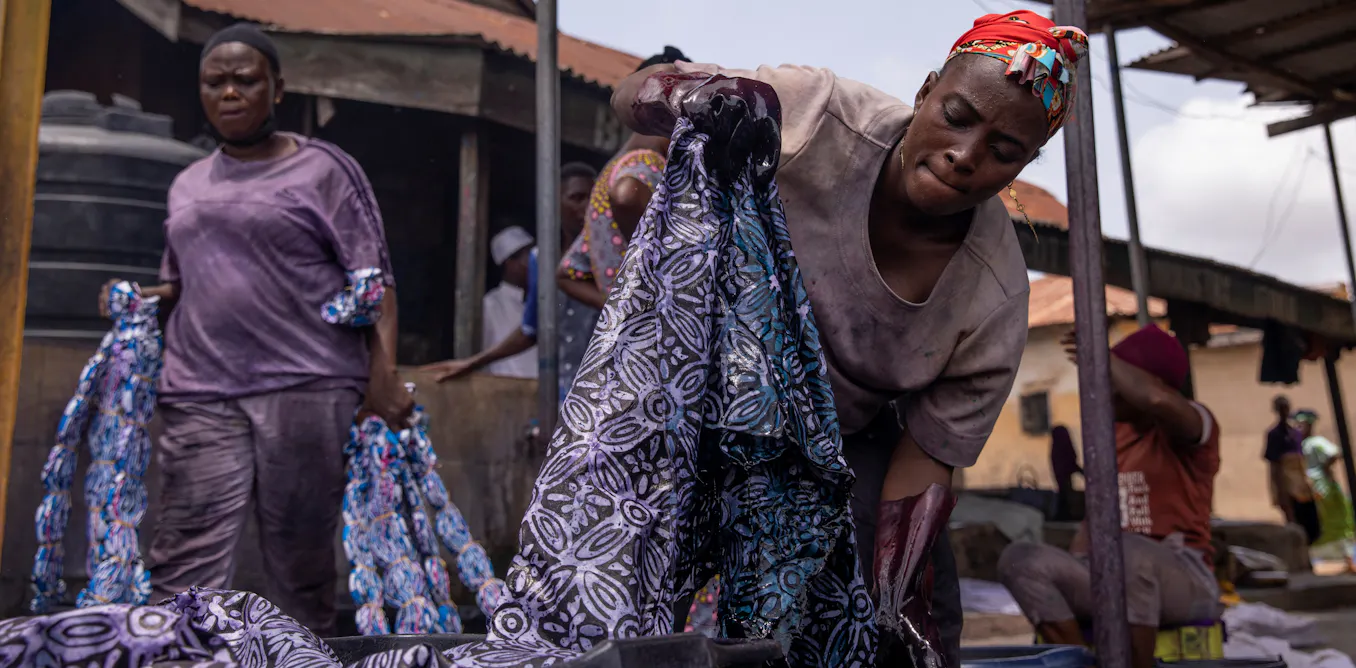
In a world increasingly focused on formal employment and corporate ladders, a striking reality emerges from Nigeria: approximately 90% of working-age women are self-employed. This figure stands in stark contrast to high-income nations like the United States, Germany, and the United Kingdom, where self-employment hovers below 16%. This isn't merely an economic statistic; it's a profound reflection of the intricate interplay between societal structures, cultural expectations, and the daily lives of millions of Nigerian women. A recent study sheds critical light on the underlying forces driving this phenomenon, revealing that for many, self-employment is less a choice and more a strategic adaptation to significant systemic challenges.
The implications of this widespread self-employment are far-reaching, affecting everything from economic development and poverty alleviation to gender equality and social mobility. PulseWorld delves into the nuances of this unique labor landscape, exploring how factors such as childcare responsibilities, housing accessibility, and deeply entrenched regional cultural norms dictate where and how Nigerian women participate in the economy. This article will dissect the findings, provide historical context, and offer expert analysis on what this means for Nigeria's future and for global understanding of women's economic participation.
The Unseen Drivers: Childcare, Housing, and Culture
The study highlights three primary, interconnected factors that significantly influence Nigerian women's employment decisions: childcare responsibilities, housing access, and regional cultural norms. Unlike many Western societies where formal childcare options are more prevalent, Nigerian women often bear the primary, if not sole, burden of raising children. This reality necessitates flexible work arrangements that formal employment rarely offers. Self-employment, whether it's running a small stall, tailoring, or providing services from home, allows women to integrate work with their caregiving duties, often working from or near their residences.
Housing access plays a surprisingly critical role. The availability and affordability of housing, particularly in urban centers, can dictate a woman's ability to commute to a formal job. Poor infrastructure, long commute times, and the cost of transportation can make traditional employment impractical. Consequently, working from home or within their immediate communities becomes the most viable option. This often means engaging in informal sector activities that require minimal capital and can be conducted from a domestic setting.
Perhaps the most pervasive influence comes from regional cultural norms. Nigeria is a diverse nation with over 250 ethnic groups, each with distinct traditions and societal expectations. In many regions, cultural expectations place women primarily in domestic roles, even if they are expected to contribute economically. These norms can limit women's mobility, dictate acceptable forms of work, and even influence their access to education and formal training. The study suggests that these cultural dictates often push women towards entrepreneurial endeavors that align with traditional gender roles and can be managed within the confines of their immediate social environments.
A Historical Perspective: Resilience and Adaptation
Nigeria's economic history provides crucial context for understanding the current employment landscape. For centuries, Nigerian women have been central to the informal economy, particularly in trade, agriculture, and craft production. Before colonial rule and the advent of formal wage labor, women were often independent economic actors within their communities, contributing significantly to household incomes through their entrepreneurial activities. This historical precedent has fostered a culture of female entrepreneurship and self-reliance.
The post-colonial era, marked by rapid urbanization and the introduction of Western-style education and formal employment structures, did not entirely displace these traditional roles. While some women entered formal sectors, the majority continued to operate within the informal economy, adapting their skills and businesses to changing market demands. Structural adjustment programs in the 1980s and 90s, which led to job losses in the public sector and a decline in formal employment opportunities, further cemented the importance of self-employment, especially for women who often lacked the social safety nets available to their male counterparts or those in more established sectors.
Today, this legacy means that self-employment is not just a fallback option but often the primary pathway to economic participation for women. It represents a deep-seated resilience and an adaptive strategy in the face of evolving economic realities and persistent social structures. The current study underscores that this historical pattern continues, shaped by contemporary challenges like population growth, limited formal job creation, and inadequate public services.
Economic Implications and Policy Challenges
The dominance of self-employment among Nigerian women presents a complex economic picture. On one hand, it demonstrates incredible entrepreneurial spirit and self-sufficiency. Women are actively contributing to household incomes, driving local economies, and creating opportunities where formal structures are lacking. On the other hand, a largely informal, self-employed workforce often lacks the benefits, protections, and growth potential associated with formal employment.
Key challenges include: * Lack of social security: Self-employed women often do not have access to pensions, health insurance, or unemployment benefits. * Limited access to finance: Formal credit institutions often require collateral or business plans that informal businesses struggle to provide, hindering growth and investment. * Vulnerability to market fluctuations: Informal businesses are often more susceptible to economic downturns, inflation, and supply chain disruptions. * Under-representation in policy-making: The informal sector is often overlooked in national economic planning, leading to policies that do not adequately address the needs of this significant workforce.
Expert analysts suggest that for Nigeria to harness the full potential of its female workforce, policies must move beyond simply creating formal jobs. Instead, there needs to be a multi-pronged approach that acknowledges and supports existing self-employment while also expanding access to formal opportunities. This includes investing in affordable and quality childcare, improving urban planning and housing access, and challenging restrictive cultural norms through education and advocacy. Furthermore, initiatives that provide financial literacy, business training, and access to micro-credit tailored for informal businesses could significantly boost productivity and sustainability.
A Path Forward: Empowering Choice and Opportunity
The findings of this study are a crucial reminder that economic development cannot be a one-size-fits-all endeavor. For Nigerian women, the path to economic empowerment is deeply intertwined with their social and cultural realities. Simply urging women into formal employment without addressing the underlying constraints of childcare, housing, and cultural expectations is unlikely to yield sustainable results. Instead, a more nuanced approach is required.
Future strategies should focus on: * Strengthening the informal sector: Providing training, market linkages, and financial services to enhance the productivity and profitability of existing self-employed women. * Developing supportive infrastructure: Investing in public childcare facilities, improving transportation, and ensuring affordable housing options. * Promoting gender-equitable cultural shifts: Engaging communities in dialogues about shared caregiving responsibilities and challenging norms that limit women's economic participation. * Data-driven policy making: Continuously collecting and analyzing data on women's economic activities to inform targeted interventions.
By understanding that self-employment is often a strategic adaptation rather than a mere preference, policymakers can design interventions that truly empower Nigerian women. This means creating an environment where women have genuine choices – whether to thrive in self-employment with adequate support or to transition into formal sectors with the necessary infrastructure and cultural shifts to accommodate their multifaceted lives. Ultimately, fostering an economy where women can participate fully and equitably, regardless of their chosen employment path, is paramount for Nigeria's sustainable growth and development.
Stay Informed
Get the world's most important stories delivered to your inbox.
No spam, unsubscribe anytime.
Comments
No comments yet. Be the first to share your thoughts!