Nothing Phone's Pakistan Debacle: A Case Study in Market Misjudgment
The recent launch of the Nothing Phone 4a series in Pakistan by Jazz has once again stumbled, repeating the pricing and distribution errors that doomed its predecessor. Despite its innovative design, the brand struggles to find footing in a price-sensitive market, highlighting critical lessons for global tech companies. This article delves into the reasons behind this recurring failure and its broader implications for market entry strategies.
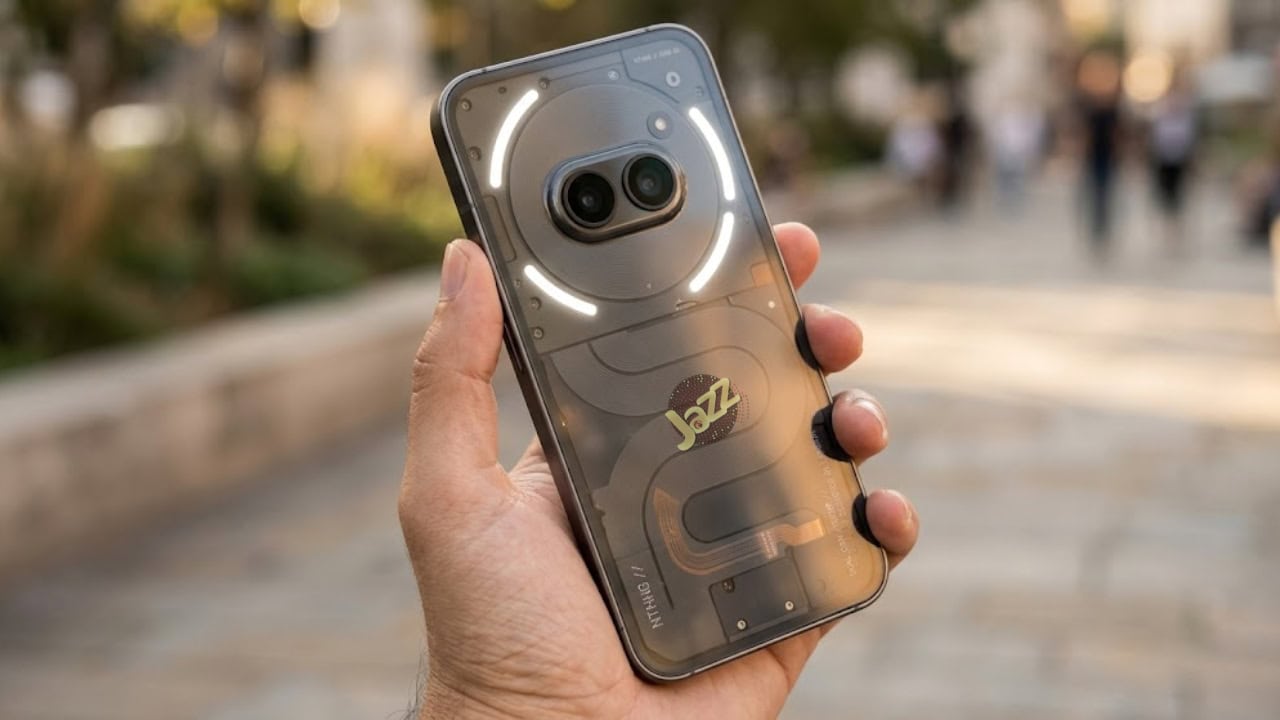
In the fast-paced world of consumer technology, where innovation often dictates success, the recent re-entry of the Nothing Phone into the Pakistani market has served as a stark reminder that even the most intriguing products can falter without a robust, market-aligned strategy. The April 2026 launch of the Nothing Phone 4a series by telecommunications giant Jazz, with price tags of PKR 214,999 and PKR 244,999, has been met with a resounding lack of enthusiasm, echoing the spectacular collapse of the Nothing Phone 2 series just a year prior in 2025. This recurring failure isn't merely a blip on the radar; it's a critical case study in how misjudged pricing, limited availability, and a weak market fit can derail even the most anticipated tech launches, offering invaluable lessons for global brands eyeing emerging economies.
The Echo of Past Mistakes: Pricing and Distribution Blunders
The most glaring issue plaguing Nothing's Pakistani venture is its uncompetitive pricing strategy. At over PKR 200,000, the Nothing Phone 4a series positions itself firmly in the premium segment, a space already dominated by established giants like Samsung and Apple, and increasingly challenged by aggressive Chinese brands offering high-spec devices at more accessible price points. Pakistan is a market characterized by its price sensitivity, where the vast majority of consumers prioritize value for money and often opt for mid-range devices or even refurbished flagships. To introduce a relatively new brand, no matter how aesthetically unique, at such a high entry barrier is to fundamentally misunderstand the local economic landscape.
Furthermore, the distribution model employed by Jazz has been equally problematic. Limiting availability to a select few high-end retailers or even primarily through Jazz's own channels restricts reach significantly. In a country where informal markets, online marketplaces, and a wide network of local electronics stores play a crucial role in smartphone sales, a narrow distribution strategy is a recipe for low sales volumes. The previous failure of the Nothing Phone 2 series in 2025, attributed to these exact same issues, should have served as a potent warning. The decision to repeat these errors suggests either a profound lack of market research or an unwillingness to adapt to local realities.
Understanding the Pakistani Smartphone Market Dynamics
To grasp the depth of Nothing's misstep, one must understand the unique characteristics of the Pakistani smartphone market. It's a market in flux, with a rapidly growing youth population and increasing internet penetration, yet simultaneously grappling with economic challenges. Consumers are savvy; they compare specifications, camera quality, battery life, and crucially, the resale value of devices. Brands like Xiaomi, Realme, and Infinix have carved out significant market shares by offering compelling features at aggressive price points, often under PKR 100,000. Even in the premium segment, consumers often stick to brands with a proven track record of customer service, readily available spare parts, and strong brand recognition.
Nothing, despite its innovative design language and unique Glyph Interface, lacks the brand equity in Pakistan to command such a premium. It's a niche product for a global audience that appreciates its distinctiveness, but this appeal doesn't easily translate to a market where practical considerations often outweigh novelty. The lack of localized marketing that genuinely connects with Pakistani consumers, coupled with insufficient after-sales support infrastructure, further exacerbates the problem. Without these foundational elements, even a technically superior product struggles to gain traction.
The Broader Implications for Emerging Markets
Nothing's experience in Pakistan offers valuable insights for any international tech company venturing into emerging markets. It underscores several critical lessons:
* Context is King: A strategy that works in Western Europe or North America will not automatically succeed elsewhere. Deep, localized market research is non-negotiable. * Price Sensitivity: Many emerging economies are highly price-sensitive. Premium pricing requires significant brand loyalty, unique value propositions, and often, local manufacturing or assembly to reduce costs and duties. * Distribution Networks: Understanding and leveraging existing, often complex, distribution channels is paramount. Relying solely on official, limited channels can be a fatal flaw. * Brand Building: New brands need to invest heavily in localized marketing, community building, and establishing trust. This takes time and a sustained effort. * After-Sales Support: A robust network for repairs, warranty claims, and customer service is crucial for consumer confidence and long-term success.
The repeated failure of Nothing Phones in Pakistan is not just a story about one brand; it's a microcosm of the challenges and opportunities in global tech expansion. It highlights the delicate balance between maintaining a global brand identity and adapting to local market nuances.
Moving Forward: A Path to Redemption or Retreat?
For Nothing and its local partner Jazz, the path forward is fraught with difficult choices. Continuing with the current strategy seems unsustainable. To succeed, Nothing would need a radical rethink:
* Aggressive Price Adjustment: Introducing models specifically designed for the mid-range segment, or significantly lowering the prices of current offerings. * Expanded Distribution: Partnering with a wider array of retailers, including online platforms and smaller, independent electronics shops, to maximize reach. * Localized Marketing: Campaigns that resonate with Pakistani culture and highlight practical benefits, rather than just design aesthetics. * Enhanced After-Sales Service: Investing in a comprehensive support network across major cities. * Building Brand Trust: A long-term commitment to the market, perhaps through local assembly or manufacturing, could signal seriousness and build trust.
Alternatively, if these adjustments are deemed unfeasible, a strategic retreat might be the most prudent option, allowing the company to focus its resources on markets where its product-market fit is stronger. The saga of the Nothing Phone in Pakistan is a powerful reminder that in the global tech arena, innovation must be paired with astute market understanding and strategic flexibility to truly thrive. Without these, even the most innovative devices risk becoming mere footnotes in the history of market miscalculations.
Stay Informed
Get the world's most important stories delivered to your inbox.
No spam, unsubscribe anytime.
Comments
No comments yet. Be the first to share your thoughts!