Oil Prices Soar Amid Stalled US-Iran Talks, Fueling Global Economic Jitters
Global oil prices have surged dramatically, pushing Canadian gas costs to new highs, following the collapse of crucial negotiations between the United States and Iran. This geopolitical deadlock has ignited fears of supply shortages in an already volatile market, with Brent crude briefly topping US$126 a barrel. Experts warn of significant economic repercussions, from inflation to potential recessionary pressures, as the world grapples with energy insecurity.
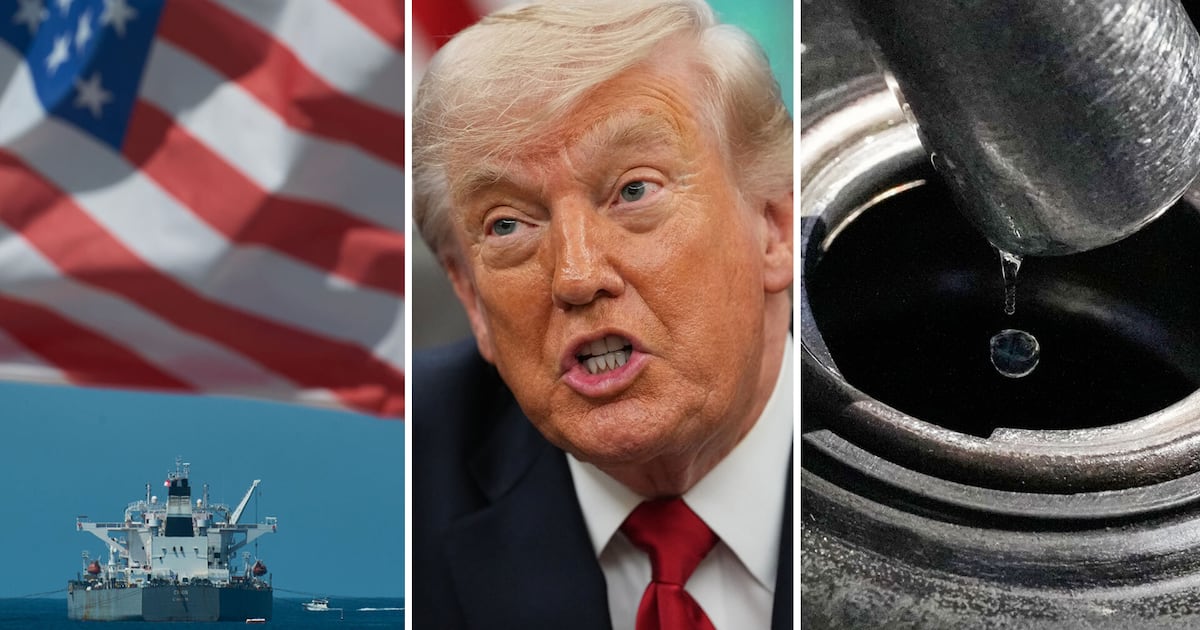
The global energy landscape has been thrown into disarray once again, as oil prices experienced a dramatic surge this past Thursday, directly impacting consumer costs at the pump, particularly in Canada. This sudden spike, which saw Brent crude briefly breach the US$126 per barrel mark, is largely attributed to the abrupt halt in diplomatic talks between the United States and Iran. The failure to revive the 2015 nuclear deal has extinguished hopes of increased Iranian oil supply returning to international markets, sending shockwaves through an already precarious global economy.
For weeks, markets had been cautiously optimistic about the prospect of a restored Joint Comprehensive Plan of Action (JCPOA), which could have seen sanctions lifted on Iran's oil exports. Such a move would have injected a much-needed volume of crude into a market struggling with tight supply and escalating demand. However, the latest developments suggest that these negotiations have reached an impasse, with both sides reportedly unwilling to make the concessions necessary for a breakthrough. This geopolitical stalemate has immediately translated into higher energy costs, threatening to exacerbate inflationary pressures worldwide and potentially derail post-pandemic economic recovery efforts.
Geopolitical Tensions and Supply Shocks
The current surge in oil prices is not an isolated event but rather the culmination of several interconnected geopolitical and economic factors. The primary catalyst, as highlighted, is the breakdown of US-Iran nuclear talks. Iran, a major oil producer, possesses substantial reserves that, if fully unleashed onto the global market, could significantly ease supply constraints. The failure to reach an agreement means these barrels remain off-limits, tightening an already stretched supply chain.
Beyond Iran, the broader geopolitical climate remains highly volatile. Ongoing conflicts and political instability in other key oil-producing regions contribute to a pervasive sense of uncertainty. Traders and investors, inherently risk-averse, react swiftly to any news that suggests potential disruptions to oil flow. This 'risk premium' is built into the price, meaning that even the threat of supply disruption can drive prices upward, irrespective of actual changes in production. Analysts are now closely watching other flashpoints, aware that any further escalation could trigger another, even more severe, price shock.
Moreover, the global economy's post-COVID recovery has led to a robust rebound in demand for energy. As industries restart and travel resumes, the thirst for oil has grown, outpacing the ability of producers to increase output quickly enough. OPEC+ nations, despite calls from major consuming countries, have been cautious in their production increases, citing market stability and long-term investment concerns. This mismatch between resurgent demand and constrained supply creates a fertile ground for price volatility, making the market highly susceptible to geopolitical tremors.
Economic Ripple Effects: Inflation and Beyond
The immediate and most tangible consequence of soaring oil prices is inflation. Higher crude costs translate directly into increased prices for gasoline, diesel, and jet fuel, impacting consumers and businesses alike. For consumers, this means higher costs at the pump, reducing discretionary spending and eroding purchasing power. For businesses, particularly those reliant on transportation and logistics, fuel is a significant operational expense. These increased costs are often passed on to consumers in the form of higher prices for goods and services, creating a vicious cycle of inflation.
Central banks globally are already grappling with elevated inflation rates, and this latest energy shock further complicates their monetary policy decisions. Aggressive interest rate hikes to combat inflation risk stifling economic growth and potentially tipping economies into recession. Conversely, a failure to act could allow inflation to become entrenched, leading to long-term economic instability. The delicate balancing act facing policymakers has become even more precarious.
Beyond inflation, high oil prices can also lead to reduced economic growth. Businesses facing higher input costs may scale back investment, delay expansion plans, or even reduce workforce numbers. Consumers, burdened by higher energy bills, may cut back on other expenditures, impacting retail sales and other sectors. Energy-intensive industries, such as manufacturing and aviation, are particularly vulnerable, facing squeezed margins and reduced competitiveness. The cumulative effect can be a significant drag on national GDPs, threatening a global economic slowdown or even a recession.
The Canadian Context: A Dual-Edged Sword
Canada, a major oil producer, experiences a complex relationship with global oil price fluctuations. While higher crude prices can boost revenues for the energy sector, benefiting government coffers through royalties and taxes, the immediate impact on consumers is often negative. Canadian gas costs rose sharply, reflecting the global surge, despite the country's own significant oil production. This is partly due to the integrated nature of North American energy markets and refining capacities, but also due to various provincial taxes and carbon levies.
For Canadian households, the increase in gas prices means higher commuting costs, impacting budgets already strained by rising food and housing expenses. Businesses, especially those in transportation and agriculture, face increased operational costs, which can lead to higher prices for goods across the supply chain. While the energy sector might see a boost in profits and investment, the broader economy feels the pinch of increased inflation and reduced consumer spending power. The challenge for policymakers lies in balancing the economic benefits to the resource sector with the inflationary pressures on the general population.
Looking Ahead: Volatility and the Search for Stability
The immediate outlook for oil prices remains highly uncertain. The stalled US-Iran talks cast a long shadow, and unless a diplomatic breakthrough occurs, the prospect of Iranian oil returning to market remains dim. This leaves the global supply heavily reliant on other major producers, particularly Saudi Arabia and other OPEC+ members, who have shown a measured approach to increasing output.
Furthermore, the ongoing energy transition, while crucial for long-term climate goals, adds another layer of complexity. Underinvestment in traditional oil and gas infrastructure, coupled with an accelerated push towards renewables, creates a challenging environment for ensuring short-to-medium term energy security. While renewable energy sources are growing, they are not yet sufficient to fully offset the demand for fossil fuels, leading to a period of potential instability as the world transitions.
Consumers and businesses should brace for continued volatility in energy markets. Diversifying energy sources, investing in energy efficiency, and exploring alternative transportation methods will become increasingly important strategies for mitigating the impact of these price swings. Governments, meanwhile, face the daunting task of navigating geopolitical complexities, managing inflationary pressures, and fostering a stable energy future amidst a rapidly changing global landscape. The quest for energy stability in an unstable world is perhaps the most pressing economic challenge of our time.
Stay Informed
Get the world's most important stories delivered to your inbox.
No spam, unsubscribe anytime.
Comments
No comments yet. Be the first to share your thoughts!