Oil Prices Surge as US Seizes Iranian Ship Amid Escalating Tensions in Strait of Hormuz
Global oil markets reacted sharply to news of a US seizure of an Iran-flagged cargo ship, driving prices higher. This incident follows a period of heightened geopolitical instability in the Middle East, particularly concerning the critical Strait of Hormuz. Analysts warn of further volatility as the US and Iran engage in a dangerous standoff, threatening global energy supplies and economic stability.
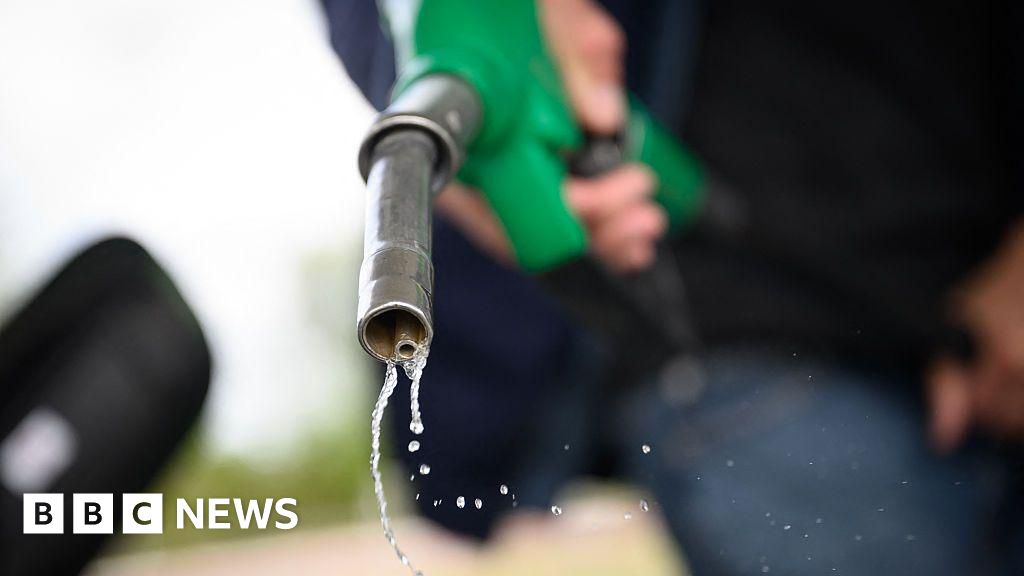
The global energy landscape, already reeling from a series of geopolitical shocks, was plunged into further uncertainty this Monday as oil prices surged following an announcement by President Donald Trump. The US President stated that American forces had intercepted and seized an Iran-flagged cargo ship, an act that immediately ignited fears of escalating tensions in the volatile Middle East. This development comes on the heels of Iran's declaration over the weekend that it would once again close the Strait of Hormuz, a vital maritime chokepoint for a significant portion of the world's oil supply.
A Dangerous Escalation in the Persian Gulf
The seizure of the Iranian vessel marks a significant escalation in the ongoing, fraught relationship between Washington and Tehran. While details surrounding the specific nature of the cargo and the exact location of the interception remain partially under wraps, the political implications are undeniable. The incident follows a period of intense military and diplomatic maneuvering, including what the source describes as US and Israeli attacks on Iran on February 28th, though specific details of these alleged attacks are not widely available in public reporting and would require further investigation to confirm. Such actions, whether confirmed or alleged, contribute to an already combustible atmosphere in a region critical to global energy security.
For decades, the Strait of Hormuz has been a flashpoint. Connecting the Persian Gulf with the Arabian Sea, it is the sole sea passage from the Persian Gulf to the open ocean for oil-exporting countries like Saudi Arabia, Iran, UAE, Kuwait, and Iraq. Approximately 20% of the world's total petroleum liquids consumption and one-third of all seaborne oil passes through this narrow strait daily. Any disruption, or even the credible threat of disruption, sends immediate shockwaves through the global economy, impacting everything from fuel prices at the pump to the cost of manufacturing and international trade.
The Economic Fallout: Oil Market Volatility
Monday morning trade in Asia saw a rapid ascent in oil prices, a direct consequence of the news. Brent crude futures, the international benchmark, and West Texas Intermediate (WTI), the US benchmark, both experienced significant jumps. This volatility is not new; energy markets have been characterized by wild swings since the alleged February 28th attacks. The market's immediate reaction underscores the deep-seated anxiety among investors and traders regarding the stability of Middle Eastern oil supplies. Historically, geopolitical events in the region, from the Iran-Iraq War to the various Gulf crises, have consistently demonstrated the vulnerability of oil prices to political instability.
Analysts are now scrambling to assess the potential long-term impact. "This isn't just about one ship; it's about the perceived security of the entire supply chain," stated Dr. Anya Sharma, a senior energy economist at Global Insights Group. "The market is pricing in a higher risk premium, anticipating potential retaliatory actions or further disruptions to shipping lanes. We could see sustained upward pressure on prices if this standoff isn't de-escalated quickly." The cost of insuring tankers operating in the Gulf has also reportedly soared in recent weeks, adding another layer of expense to oil transportation and further contributing to price increases.
Iran's Strategic Calculus: The Strait of Hormuz as Leverage
Iran's repeated threats to close the Strait of Hormuz are not new. It's a strategic card Tehran has played numerous times when feeling pressured by international sanctions or military threats. The closure of the strait would be a drastic measure, effectively cutting off a significant portion of global oil flow and potentially triggering a global recession. While such an action would undoubtedly harm Iran's own economy, it serves as a powerful deterrent and a means of demonstrating its capacity to inflict economic pain on its adversaries and the world at large. The current declaration by Iran to close the waterway again, coming just after the alleged attacks and preceding the ship seizure, indicates a calculated response designed to maximize leverage and send a clear message to Washington.
For Iran, the strait represents both an economic lifeline and a strategic weapon. Its ability to disrupt global oil trade gives it disproportionate influence on the international stage, particularly against a backdrop of crippling economic sanctions imposed by the US. The question now is whether these threats are merely rhetoric or if Tehran is prepared to follow through, potentially risking a direct military confrontation with the US and its allies.
International Reactions and the Path Forward
International reactions to the latest developments have been swift, if somewhat muted in their public declarations. Calls for de-escalation have emanated from various capitals, with concerns growing over the potential for miscalculation. The United Nations has urged all parties to exercise restraint, emphasizing the importance of freedom of navigation and the peaceful resolution of disputes. However, the deep-seated mistrust and conflicting strategic interests between the US and Iran make a swift resolution challenging.
The coming days and weeks will be critical. The global community will be watching closely for any further military actions, diplomatic overtures, or shifts in rhetoric from either Washington or Tehran. The potential for a wider regional conflict looms large, carrying with it the specter of severe economic disruption and humanitarian crises. The stability of the Middle East, and by extension, the global economy, hangs precariously in the balance as these two powerful nations engage in a dangerous game of brinkmanship over the vital waters of the Persian Gulf. Sustained dialogue, perhaps mediated by neutral parties, appears to be the only viable path to avert a catastrophic confrontation, yet such a path seems increasingly distant amidst the current climate of escalating tensions.
Stay Informed
Get the world's most important stories delivered to your inbox.
No spam, unsubscribe anytime.
Comments
No comments yet. Be the first to share your thoughts!