Pakistan Unlocks Six Land Routes to Iran, Bypassing Blockaded Hormuz Strait
Pakistan has officially opened six new land transit routes to Iran, a strategic move designed to circumvent the increasingly volatile and blockaded maritime trade routes in the Persian Gulf. This emergency measure aims to ensure the continued flow of goods and reduce transit times significantly, offering a vital alternative amidst regional instability. The initiative underscores Pakistan's commitment to maintaining economic ties with Iran and adapting to complex geopolitical challenges.
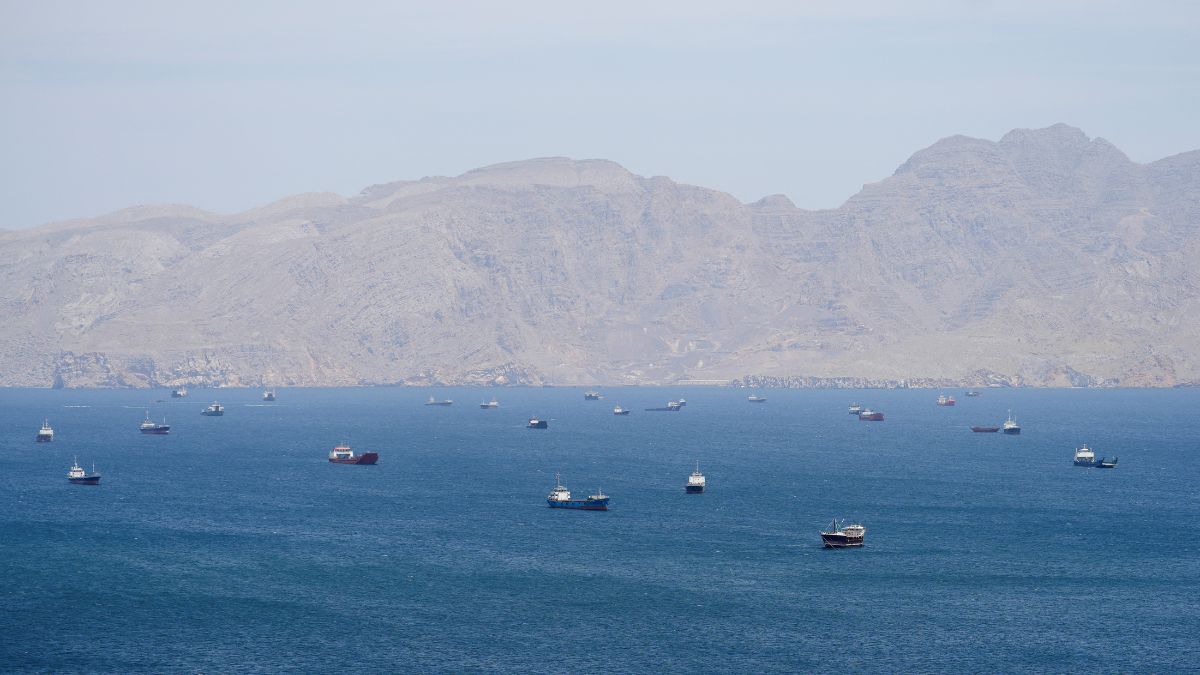)
In a decisive strategic maneuver, Pakistan has officially inaugurated six new land transit routes for goods bound for Iran, a move explicitly designed to bypass the increasingly perilous and blockaded maritime trade arteries in the Persian Gulf. This emergency measure, formally announced by Pakistan's Ministry of Commerce through its “Transit of Goods (Iran) Order, 2024,” represents a critical adaptation to the escalating geopolitical tensions and disruptions impacting global shipping, particularly through the Strait of Hormuz.
The decision comes at a time when the Persian Gulf, a vital conduit for a significant portion of the world's oil and gas, is experiencing unprecedented levels of instability. Recent blockades and threats to shipping lanes have made traditional sea routes unreliable, prompting nations to seek alternative, secure pathways for commerce. Pakistan’s initiative not only provides a lifeline for trade with its western neighbor but also signals a broader shift towards bolstering regional overland connectivity as a hedge against maritime vulnerabilities.
The Strategic Imperative: Sidestepping Maritime Chokepoints
The Strait of Hormuz, a narrow waterway between the Persian Gulf and the Gulf of Oman, is one of the world's most critical chokepoints for oil transit. Approximately 20% of the world's petroleum liquids and a quarter of global LNG trade pass through this strait daily. Recent escalations, including attacks on commercial vessels and heightened naval presence, have rendered this route increasingly risky and costly for international shipping. For Iran, heavily reliant on maritime trade despite sanctions, disruptions here have profound economic consequences. Pakistan's new land routes offer a much-needed alternative, ensuring that essential goods can still reach Iran without navigating the volatile waters of the Persian Gulf.
This development is not merely a logistical adjustment; it is a geopolitical statement. By activating these land corridors, Pakistan is asserting its role as a regional connectivity hub, potentially transforming its western borders into bustling arteries of commerce. The move could also serve to strengthen bilateral ties with Iran, fostering economic interdependence that could have broader implications for regional stability and cooperation, particularly in a landscape often dominated by external powers.
Anatomy of the New Trade Corridors
The six designated transit routes are meticulously planned to leverage Pakistan’s existing infrastructure while creating new, efficient pathways. They range from the remarkably short Gwadar–Gabd route, which promises to slash transit time by an astonishing 87 percent, to more extensive networks connecting Pakistan’s major port cities. For instance, goods from Karachi and Port Qasim can now traverse through Lyari, Ormara, Pasni, Khuzdar, Dalbandin, and Quetta before reaching either the Gabd or Taftan border crossings with Iran. This comprehensive network ensures flexibility and redundancy, crucial for maintaining consistent trade flows.
Each route has been chosen for its strategic importance and feasibility, aiming to optimize logistics and minimize delays. The Gwadar–Gabd route, in particular, stands out due to its potential to dramatically reduce travel time and costs, making it an attractive option for high-value or time-sensitive cargo. The broader network, extending from Pakistan's southern coast deep into Balochistan and then westward, underscores a significant investment in infrastructure and security along these corridors, vital for ensuring the safety and efficiency of cross-border trade.
Economic Implications and Regional Realignments
The immediate economic benefit for both Pakistan and Iran is clear: enhanced trade resilience. For Pakistan, it opens up new revenue streams through transit fees and boosts economic activity in its western provinces, particularly Balochistan, which has long sought greater economic integration. For Iran, it provides a crucial alternative supply chain, mitigating the impact of maritime blockades and sanctions, and potentially stabilizing prices for imported goods.
Beyond the immediate, this initiative could catalyze significant regional realignments. It positions Pakistan as a pivotal player in regional trade, potentially attracting further investment in its logistics and transport sectors. It also highlights a growing trend among regional powers to forge stronger bilateral and multilateral economic ties that circumvent traditional Western-dominated trade routes and financial systems. This could pave the way for increased cooperation within organizations like the Economic Cooperation Organization (ECO) and further integrate the economies of Central and South Asia with the Middle East.
Challenges and the Road Ahead
While the opening of these routes is a significant step, challenges remain. Security along these corridors, particularly in restive regions like Balochistan, will be paramount. Investing in robust security measures and fostering local community support will be crucial for the long-term viability and safety of these trade arteries. Additionally, streamlining customs procedures, improving road infrastructure, and ensuring efficient logistics will be ongoing tasks requiring sustained effort from both governments.
The success of these land routes will also depend on their capacity to handle increased trade volumes and the willingness of international traders to utilize them. The initial focus appears to be on essential goods, but if successful, these routes could expand to include a wider array of products, potentially transforming the economic landscape of the entire region. This move by Pakistan is a testament to its proactive approach in navigating a complex global environment, prioritizing economic stability and regional connectivity in the face of escalating international tensions.
In conclusion, Pakistan's decision to open six land routes to Iran is a strategic masterstroke, addressing immediate maritime security concerns while laying the groundwork for enhanced regional trade and cooperation. It underscores a pragmatic approach to foreign policy, prioritizing economic resilience and demonstrating a capacity to adapt to rapid geopolitical shifts. As the world grapples with persistent instability, such initiatives highlight the growing importance of overland connectivity as a robust alternative to vulnerable maritime chokepoints, charting a new course for regional commerce and diplomacy.
Stay Informed
Get the world's most important stories delivered to your inbox.
No spam, unsubscribe anytime.
Comments
No comments yet. Be the first to share your thoughts!