Panasonic Lumix S9: The Full-Frame Mirrorless Redefining Portability and Affordability
The Panasonic Lumix S9 is making waves in the photography world, blurring the lines between full-frame mirrorless power and compact camera convenience. Now at its lowest price ever, this innovative camera challenges market trends by offering professional-grade imaging in a pocketable design, making it more accessible than ever. It's poised to disrupt the dominance of trendy compacts like the Fujifilm X100VI and Ricoh GR IV.
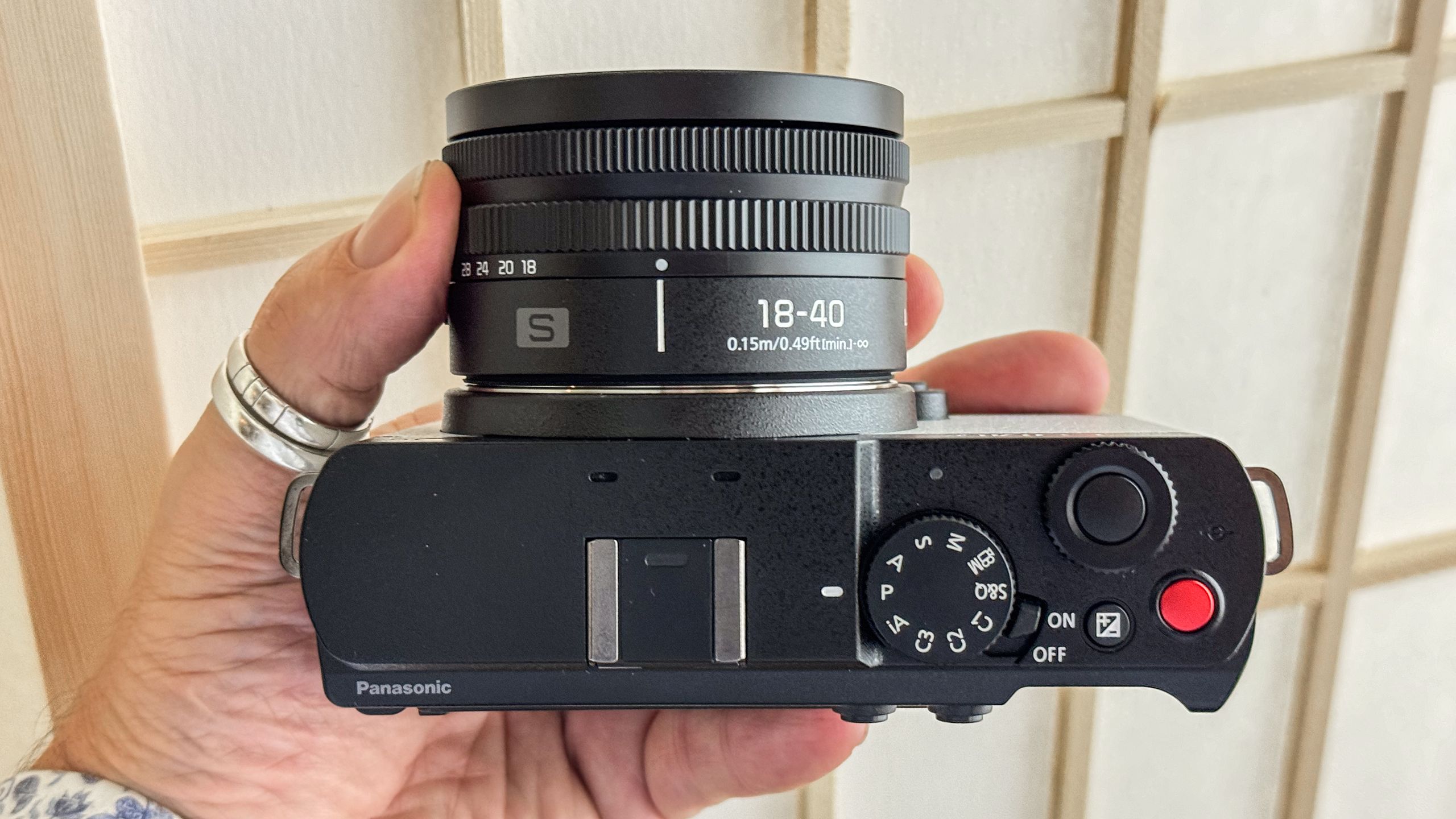
In an era where photographic technology often dictates a choice between professional-grade performance and pocketable convenience, a new contender has emerged, challenging long-held assumptions. The Panasonic Lumix S9, a full-frame mirrorless camera, is not just another addition to a crowded market; it's a statement. With its remarkably compact form factor and an unprecedented price drop, the S9 is blurring the lines, offering the power of a full-frame sensor in a body that feels more akin to a point-and-shoot.
For years, photographers have grappled with the trade-offs: the superior image quality and low-light performance of larger full-frame systems versus the discreet portability of compact cameras. The S9, however, appears to offer a compelling synthesis, making it a pivotal moment for both amateur enthusiasts and seasoned professionals seeking an agile, high-performance option. Its recent price reduction has only amplified its appeal, positioning it as a surprisingly affordable alternative to popular, yet often less capable, compact cameras like the Fujifilm X100VI and Ricoh GR IV.
The Design Philosophy: Full-Frame in a Compact Shell
The most striking aspect of the Lumix S9 is its physical presence—or rather, its lack thereof. Panasonic has engineered a full-frame mirrorless camera that defies the typical bulk associated with its sensor size. This isn't merely a smaller iteration; it's a fundamental rethinking of how a full-frame camera can integrate into a photographer's daily life. The design prioritizes minimalism and ease of use, shedding many of the external controls and the electronic viewfinder often found on larger mirrorless bodies. This decision, while potentially polarizing for some traditionalists, is central to its 'point-and-shoot' feel.
This design choice is particularly relevant in today's visual culture, where spontaneous capture and unobtrusive street photography are highly valued. A camera that doesn't scream "professional gear" can often lead to more authentic and candid moments. The S9's lightweight chassis and streamlined interface encourage users to carry it everywhere, transforming casual outings into potential photographic opportunities without the burden of heavy equipment. This is a significant departure from the trend where full-frame cameras often become specialized tools, reserved for specific shoots rather than everyday companions.
Performance Meets Portability: Technical Prowess
Beneath its unassuming exterior, the Lumix S9 houses a powerful full-frame sensor, likely derived from its more robust S-series siblings, promising exceptional image quality, dynamic range, and low-light capabilities. This is where the S9 truly distinguishes itself from compact cameras, which, despite their charm, often rely on smaller sensors that inherently limit their performance in challenging conditions. The ability to produce images with shallow depth of field, rich tonal gradations, and minimal noise at higher ISOs sets the S9 apart.
While specific technical specifications like megapixel count, autofocus system, and video capabilities are crucial, the overarching narrative is the seamless integration of these high-end features into a portable package. For instance, a robust in-body image stabilization (IBIS) system would be critical for handheld shooting, especially given the camera's compact size and the potential for longer shutter speeds in low light. The camera's processing engine would also play a vital role in delivering quick performance and high-quality JPEGs straight out of the camera, catering to users who prefer minimal post-processing.
A Market Disruptor: Challenging the Compact Camera Hegemony
The current photography landscape has seen a resurgence in popularity for premium compact cameras, often driven by nostalgia, aesthetic appeal, and the desire for a dedicated photographic tool separate from a smartphone. Models like the Fujifilm X100VI and Ricoh GR IV have garnered cult followings, commanding premium prices due to their unique blend of style, fixed lenses, and specific user experiences. These cameras, while excellent within their niches, typically feature APS-C or smaller sensors, placing inherent limitations on ultimate image quality compared to full-frame.
The Lumix S9 enters this arena not as a direct competitor in terms of fixed-lens design, but as a superior alternative in terms of sensor performance and versatility, especially now at its reduced price point. For a photographer considering a high-end compact, the S9 offers a full-frame sensor and the flexibility of interchangeable lenses (albeit with the understanding that larger lenses might negate some of its compact advantages). This value proposition is immense: professional-grade image quality at a price that undercuts many trendy compacts, making the S9 a formidable disruptor.
Implications for Photographers and the Industry
The arrival and aggressive pricing of the Lumix S9 carry significant implications. For consumers, it democratizes full-frame photography, making it accessible to a broader audience who might have previously been deterred by the cost and bulk of traditional full-frame systems. It offers a stepping stone for those looking to upgrade from APS-C or micro four-thirds without fully committing to a large, professional setup. For street photographers, travel enthusiasts, and everyday documentarians, the S9 represents an ideal blend of discretion and power.
For the industry, Panasonic's move could signal a shift in market strategy. As smartphone cameras continue to improve, traditional camera manufacturers are under pressure to differentiate. Offering high-performance, compact full-frame cameras at competitive prices could be a key strategy to attract new users and retain existing ones. It also highlights a potential trend towards modularity and customization, where users can choose to pair the S9 with smaller, lighter prime lenses to maintain its compact ethos, or with larger zooms when maximum versatility is required.
The Future of Portable Full-Frame Photography
The Panasonic Lumix S9 is more than just a camera; it's a harbinger of a potential future where the lines between camera categories continue to blur. Its success could inspire other manufacturers to explore similar compact full-frame designs, leading to a new wave of highly portable yet powerful imaging tools. As technology advances, we can expect even smaller sensors, more efficient processors, and innovative lens designs that further enhance the capabilities of such compact systems.
Ultimately, the Lumix S9 represents a compelling argument for the democratization of high-quality photography. By making full-frame performance more accessible and portable, Panasonic is not just selling a camera; they are selling the freedom to create, to capture, and to share stunning images without compromise, all within the palm of your hand. Its current pricing makes it an irresistible proposition for anyone looking to elevate their photographic journey without breaking the bank or their back.
Stay Informed
Get the world's most important stories delivered to your inbox.
No spam, unsubscribe anytime.
Comments
No comments yet. Be the first to share your thoughts!