Pope Leo XIV's Historic Cameroon Mass: A Message of Peace Echoes Across Africa
Pope Leo XIV drew an astounding 120,000 faithful to an open-air Mass in Douala, Cameroon, marking the largest gathering of his 11-day Africa tour. This pivotal event underscored his consistent message of peace and reconciliation, resonating deeply within a continent grappling with various socio-political challenges. The Pontiff's visit highlights the Catholic Church's enduring influence and its role in fostering hope and unity across diverse communities.
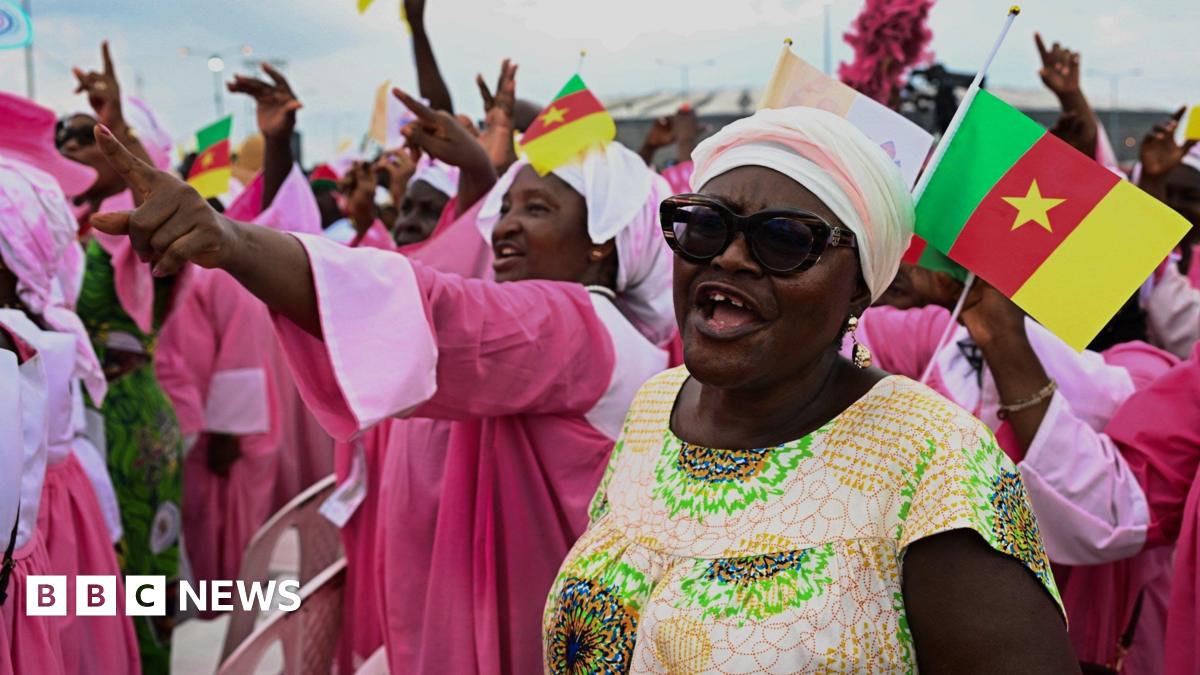
The vibrant city of Douala, Cameroon, became the spiritual heart of Africa on a recent Friday, as over 120,000 fervent faithful converged for an open-air Mass led by Pope Leo XIV. This monumental gathering, the largest recorded during his extensive 11-day African tour, was more than just a religious ceremony; it was a powerful affirmation of faith, a beacon of hope, and a resounding echo of the Pontiff's consistent message of peace, reconciliation, and social justice across a continent often scarred by conflict and inequality. As the morning sun illuminated the vast expanse of humanity, the air thrummed with a palpable sense of devotion and anticipation, underscoring the profound impact of the Catholic Church in the lives of millions.
A Pontiff's Pilgrimage: The Significance of the African Tour
Pope Leo XIV's current pilgrimage through Africa is not merely a series of diplomatic visits or ceremonial Masses; it is a deeply symbolic journey aimed at strengthening the Church's ties with its rapidly growing African flock and addressing the continent's most pressing issues. Cameroon, a nation known for its rich cultural diversity and strategic importance in Central Africa, served as a crucial stop. The choice of Douala, the nation's economic capital and largest city, for such a grand congregation was deliberate, allowing for maximum accessibility and impact. The Pope's itinerary, which includes a subsequent visit to Angola, meticulously plans to touch upon regions where the Church's message of peace and development can have the most profound effect.
Historically, papal visits to Africa have always been moments of immense spiritual and social significance. From Pope Paul VI's groundbreaking visit to Uganda in 1969 – the first by a reigning Pontiff to Africa – to Pope John Paul II's numerous journeys, these visits have consistently aimed to affirm the dignity of the African people, promote interfaith dialogue, and advocate for human rights and sustainable development. Pope Leo XIV continues this legacy, using his platform to amplify the voices of the marginalized and to call for global solidarity with Africa. His message in Douala, delivered with characteristic warmth and conviction, reiterated the urgent need for communities to overcome divisions and build a future rooted in mutual respect and understanding.
The Message of Peace: A Timeless Call in Troubled Times
At the core of Pope Leo XIV's address in Douala was an unwavering call for peace. This message resonates with particular urgency in a continent that has, in various regions, grappled with ethnic tensions, political instability, and the devastating consequences of armed conflict. While Cameroon itself has experienced relative stability compared to some of its neighbors, it is not immune to regional challenges, including the displacement of populations and the threat of extremism. The Pope's emphasis on peace is therefore not an abstract theological concept but a deeply practical and vital appeal for societal healing and progress.
He spoke passionately about the importance of forgiveness, dialogue, and the rejection of violence as instruments of change. "True peace," he declared, "is not merely the absence of war, but the presence of justice, dignity, and opportunity for all." This statement encapsulates the Catholic social teaching that links peace inextricably with development and human flourishing. For the thousands gathered, many of whom have witnessed or been affected by various forms of strife, these words offered solace and a renewed sense of purpose. The Mass itself, a universal symbol of communion, served as a powerful metaphor for the unity the Pontiff seeks to foster among diverse peoples and faiths.
The Church's Role in African Development and Social Justice
The Catholic Church in Africa is not just a spiritual institution; it is a vital social actor, deeply embedded in the fabric of communities. It operates extensive networks of schools, hospitals, orphanages, and development projects, often filling gaps left by inadequate state services. During his visit, Pope Leo XIV acknowledged and praised these efforts, highlighting the Church's commitment to holistic human development. He urged the faithful to continue their work in education, healthcare, and poverty alleviation, emphasizing that faith must translate into tangible action for the betterment of society.
Key areas of the Church's engagement in Africa include: * Education: Providing access to schooling for millions, from primary to tertiary levels. * Healthcare: Operating hospitals, clinics, and outreach programs, particularly in remote areas. * Social Services: Running orphanages, homes for the elderly, and programs for the disabled. * Advocacy: Speaking out against corruption, injustice, and human rights abuses. * Peacebuilding: Facilitating dialogue and reconciliation efforts in conflict zones.
The Pope's presence serves to galvanize these efforts, reminding both local leaders and international partners of the critical role faith-based organizations play in achieving the United Nations' Sustainable Development Goals. His visit is a powerful endorsement of the Church's ongoing mission to be a force for good, not just spiritually but also materially, in the lives of African communities.
Douala's Embrace: A City Transformed by Faith
The sheer scale of the Douala Mass was a testament to the organizational prowess of the local Church and the deep devotion of the Cameroonian people. From early morning, pilgrims began streaming towards the designated open-air venue, transforming the city's thoroughfares into rivers of humanity. The atmosphere was one of joyful celebration, marked by traditional songs, dances, and vibrant attire, reflecting the rich cultural tapestry of Cameroon. Security was tight but unobtrusive, ensuring a safe and orderly event for all attendees.
For many, seeing the Pope in person was a once-in-a-lifetime experience, a moment of profound spiritual connection. The energy was electric, a collective expression of faith that transcended linguistic and ethnic boundaries. Local media reported extensively on the event, with live broadcasts reaching millions across the country and beyond. The economic impact was also significant, with local businesses benefiting from the influx of visitors. More importantly, the visit left an indelible mark on the collective consciousness, reinforcing a sense of national pride and spiritual renewal.
Looking Ahead: The Enduring Legacy of the Papal Visit
As Pope Leo XIV prepares to depart for Angola, the echoes of his message in Douala will undoubtedly reverberate far beyond Cameroon's borders. His visit serves as a powerful reminder of the enduring relevance of faith in a rapidly changing world and the Catholic Church's unwavering commitment to its African faithful. The challenges facing Africa are immense, from climate change and poverty to political instability and health crises, but the Pope's presence offers a renewed sense of hope and solidarity.
The legacy of this papal tour will likely be multifaceted: a strengthened Church, re-energized communities, and a global spotlight on the continent's potential and its struggles. It is a call to action for both spiritual leaders and political figures to work collaboratively towards a future where peace, justice, and human dignity are not just ideals, but lived realities for all Africans. The image of 120,000 voices united in prayer and hope in Douala will remain a powerful symbol of this enduring aspiration, a testament to the transformative power of faith and the universal longing for a better world.
Stay Informed
Get the world's most important stories delivered to your inbox.
No spam, unsubscribe anytime.
Comments
No comments yet. Be the first to share your thoughts!