Powering Down Costs: How Energy-Efficient Refrigerators Are Revolutionizing Nigerian Households Amidst Soaring Electricity Prices
As Nigeria grapples with escalating electricity costs and unreliable power supply, households are seeking innovative solutions to manage expenses and preserve food. LG's advanced inverter refrigerators offer a beacon of hope, promising significant energy savings and enhanced food preservation. This article explores the economic and social impact of these technologies, highlighting their role in mitigating financial burdens and improving daily life for millions.
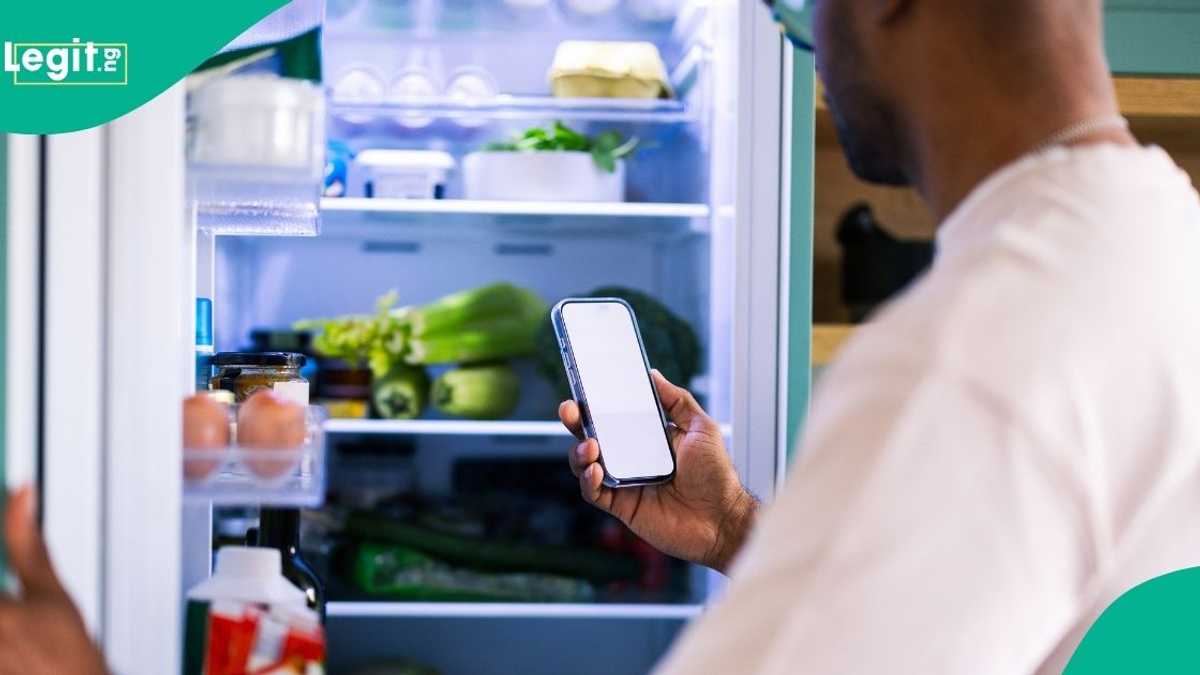
In a nation where the hum of a refrigerator often competes with the anxiety of a rising electricity bill, Nigerian households are at a critical juncture. The cost of power has become an increasingly significant burden, forcing families to reconsider every appliance and its consumption. Amidst this challenging economic landscape, a quiet revolution is taking place in kitchens across the country, spearheaded by advancements in appliance technology. LG Electronics, a global leader in home appliances, has stepped forward, emphasizing the transformative potential of its energy-efficient inverter refrigerators as a vital tool in the fight against soaring utility expenses and food spoilage.
The Escalating Energy Crisis in Nigeria
Nigeria, Africa's most populous nation, has long contended with a complex energy crisis characterized by insufficient generation, dilapidated infrastructure, and frequent power outages. This perennial challenge has been exacerbated by recent economic reforms and tariff adjustments, leading to a dramatic increase in electricity costs for consumers. For the average Nigerian family, the cost of keeping food fresh is no longer a minor consideration but a major financial strain. Many households rely on traditional, less efficient refrigeration units that consume substantial amounts of electricity, contributing disproportionately to their monthly bills. This situation not only impacts household budgets but also has broader implications for food security and public health, as reliable refrigeration is crucial for preserving perishable goods and preventing foodborne illnesses. The National Bureau of Statistics (NBS) has consistently reported on the rising cost of living, with energy expenses being a significant driver. Without reliable and affordable power, families face difficult choices, often resorting to less hygienic food storage methods or increased frequency of market visits, which can be time-consuming and costly.
Inverter Technology: A Game Changer for Nigerian Homes
The core of LG's solution lies in its inverter linear compressor technology. Unlike conventional compressors that cycle on and off, an inverter compressor adjusts its cooling power based on the internal and external conditions. This continuous, variable operation leads to several critical advantages:
* Reduced Energy Consumption: By operating more smoothly and consistently, inverter compressors use significantly less electricity. LG claims up to 36% energy savings compared to non-inverter models, a figure that translates into substantial savings on monthly utility bills for Nigerian families. * Enhanced Durability and Reliability: The reduced wear and tear from continuous operation, as opposed to frequent start-stops, extends the lifespan of the compressor and, by extension, the refrigerator itself. This is particularly valuable in a market where appliance longevity is a key consumer concern. * Optimal Food Preservation: Consistent temperature control within the refrigerator minimizes temperature fluctuations, which are detrimental to food freshness. This means fruits, vegetables, and other perishables stay fresh longer, reducing food waste and improving household nutrition. * Quieter Operation: The smooth functioning of inverter technology also results in a quieter appliance, contributing to a more peaceful home environment.
These technological advancements are not merely about convenience; they represent a fundamental shift in how households can manage their resources. In a country where food waste is a significant issue due to inadequate storage, the ability to keep food fresh for longer periods can have a profound impact on household economics and food security. It empowers families to buy in bulk when prices are favorable, reducing frequent trips to markets and saving time and transportation costs.
Beyond Savings: The Broader Impact on Livelihoods and Sustainability
The adoption of energy-efficient appliances like LG's inverter refrigerators extends beyond individual household savings. It contributes to broader national goals related to energy conservation and environmental sustainability. By reducing overall electricity demand, these appliances can help alleviate pressure on Nigeria's often-strained power grid. Furthermore, lower energy consumption translates to a reduced carbon footprint, aligning with global efforts to combat climate change.
From a social perspective, the ability to preserve food effectively can improve the quality of life for many. It allows for better meal planning, reduces the stress associated with food spoilage, and supports healthier eating habits by ensuring access to fresh produce. For small businesses, particularly those involved in food retail or catering, reliable and efficient refrigeration can be the difference between profit and loss, enabling them to maintain product quality and reduce operational costs. The Nigerian consumer market is increasingly sophisticated, with a growing demand for products that offer both performance and economic benefits. Brands that can deliver on these promises are likely to gain significant market share and foster long-term customer loyalty.
The Path Forward: Education, Accessibility, and Policy Support
While the technology is readily available, its widespread adoption in Nigeria faces certain challenges. Awareness and education are paramount. Many consumers may not fully understand the long-term cost benefits of investing in a more expensive, but ultimately more economical, inverter refrigerator. LG and other manufacturers have a crucial role to play in educating the public through targeted campaigns that highlight the direct financial advantages and improved quality of life. Demonstrations and clear comparisons of energy consumption can be highly effective.
Affordability and accessibility are also key considerations. The initial cost of inverter refrigerators can be higher than conventional models, posing a barrier for lower-income households. Exploring financing options, such as installment plans or government-backed subsidies for energy-efficient appliances, could significantly accelerate adoption. Policy support, including incentives for manufacturers and consumers, could further drive the shift towards more sustainable appliance use. The government could consider tax breaks for energy-efficient imports or even direct rebates for consumers purchasing certified appliances.
Ultimately, the move towards energy-efficient refrigeration in Nigeria is more than just a technological upgrade; it's a strategic response to a pressing economic and social challenge. As electricity costs continue to rise, the demand for solutions that offer both immediate savings and long-term benefits will only grow. LG's commitment to bringing these innovations to the Nigerian market underscores a broader trend towards sustainable living and smart resource management. The future of Nigerian households, in part, depends on their ability to embrace technologies that empower them to live more efficiently and economically, turning the challenge of high electricity bills into an opportunity for smarter consumption and improved well-being.
Stay Informed
Get the world's most important stories delivered to your inbox.
No spam, unsubscribe anytime.
Comments
No comments yet. Be the first to share your thoughts!