Prince Harry's Diplomatic Gambit: Ukraine Visit Delivers Potent Messages to Global Powers
In a surprise and highly symbolic visit to Ukraine, Prince Harry delivered pointed messages to leaders like Donald Trump and Vladimir Putin, underscoring unwavering international support for Kyiv. This unexpected diplomatic move coincided with a significant €147 billion European funding boost for Ukraine, reinforcing its resolve against Russian aggression. The visit highlights the complex interplay of celebrity diplomacy, geopolitical strategy, and the ongoing struggle for Ukrainian sovereignty.
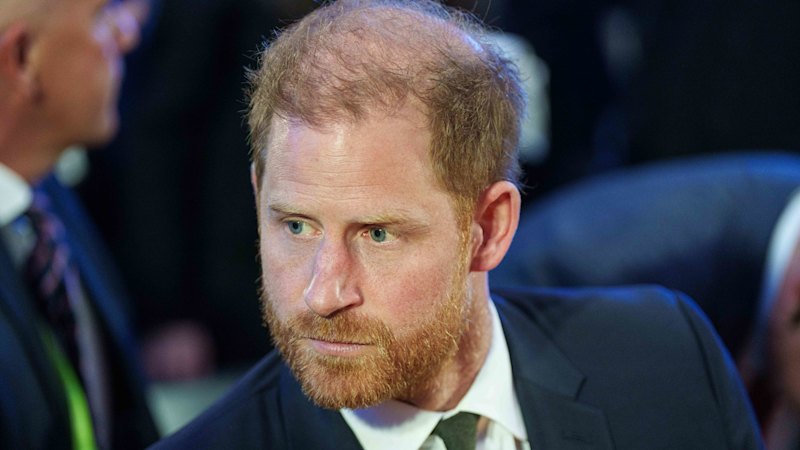
In a move that sent ripples through international diplomatic circles, Prince Harry, Duke of Sussex, undertook a surprise visit to Ukraine, delivering messages reportedly aimed at key global figures including former U.S. President Donald Trump and Russian President Vladimir Putin. This unexpected trip, shrouded in secrecy until its revelation, served as a powerful symbol of solidarity with Kyiv at a critical juncture in its conflict with Moscow. The timing was particularly poignant, coinciding with Ukraine's staunch vow not to cede “a single millimeter” of its territory and the securing of a long-promised €147 billion European funding package designed to bolster its defenses and drive back Russian forces.
The Symbolism of a Royal Visit Amidst Conflict
Prince Harry's presence in Ukraine transcends mere celebrity endorsement; it represents a potent blend of humanitarian concern, personal connection to military service, and strategic diplomatic signaling. As a veteran of the British Armed Forces who served two tours in Afghanistan, his understanding of conflict and its human cost lends significant weight to his actions. His visit, while not official state diplomacy, carries the implicit backing of a global figure with immense public reach. By choosing to appear on Ukrainian soil, Harry effectively amplified the voices of those suffering, drawing international attention back to a conflict that, despite its ongoing brutality, sometimes fades from the daily headlines.
The messages he reportedly carried, though not explicitly detailed, are understood to be a reaffirmation of Western resolve and a subtle but firm pushback against any narrative suggesting a weakening of support for Ukraine. For Trump, who has at times expressed skepticism about the extent of U.S. aid to Ukraine and a desire for a swift, negotiated settlement that some fear could favor Russia, Harry's visit serves as a reminder of the broad international consensus against unprovoked aggression. For Putin, it’s a clear signal that even non-traditional diplomatic channels are being utilized to maintain pressure and demonstrate unity among Ukraine’s allies.
Geopolitical Context: A Crucial Juncture
Ukraine's steadfast refusal to surrender any territory, articulated forcefully by its leadership, underscores the high stakes of the current phase of the conflict. This declaration comes amidst renewed Russian offensives in various sectors and continued missile and drone attacks on Ukrainian cities. The €147 billion funding package from European allies is not merely financial aid; it's a strategic investment in Ukraine's future and a testament to Europe's commitment to its security architecture. This money is earmarked for critical military supplies, reconstruction efforts, and economic stabilization, providing a much-needed lifeline as the war grinds on.
The broader geopolitical landscape is fraught with tension. The upcoming U.S. presidential election casts a long shadow over the future of American support for Ukraine, making European solidarity even more critical. Russia, meanwhile, continues to adapt its strategies, seeking to exploit perceived divisions within the Western alliance. In this complex environment, every act of international support, whether from heads of state or prominent public figures, contributes to the narrative and the morale of the Ukrainian people.
The Power of Non-Traditional Diplomacy
While traditional diplomacy relies on state-to-state interactions, the modern era has seen the rise of celebrity diplomacy and soft power. Prince Harry, with his global recognition and philanthropic endeavors, embodies this shift. His Invictus Games, which provide a platform for wounded service members, including those from Ukraine, further cement his connection to the military community and the cause of recovery and resilience. His visit, therefore, is not just about delivering messages; it's about building bridges, fostering empathy, and leveraging his unique platform to maintain focus on the human cost of war.
This form of diplomacy can sometimes cut through the bureaucratic red tape and political posturing that can slow down official channels. It allows for a more direct, emotionally resonant appeal to the public and to leaders alike. The images of Harry meeting with Ukrainian officials, soldiers, and civilians will undoubtedly resonate more deeply with many than a formal communiqué. It personalizes the conflict, reminding the world that behind the geopolitical chess game are real people enduring immense suffering and demonstrating extraordinary courage.
Implications for Future Support and International Relations
Prince Harry's visit, combined with the substantial European financial commitment, sends a clear, multifaceted message. Firstly, it reiterates that international support for Ukraine, particularly from Europe, remains robust and long-term. This is crucial for Ukraine's strategic planning and for deterring further Russian aggression. Secondly, it highlights the increasing diversification of diplomatic efforts, where public figures play an important role in shaping public opinion and influencing policy.
Looking ahead, the sustained commitment of allies will be paramount. The war is not just a military conflict; it's a test of endurance, resolve, and the international rules-based order. The €147 billion package will allow Ukraine to plan for the medium term, investing in its defense industry and rebuilding critical infrastructure. However, the need for continued vigilance and support remains. The messages delivered by Prince Harry, whether directly or symbolically, serve as a reminder that the world is watching, and the fight for sovereignty and freedom continues to demand global attention and solidarity.
In conclusion, Prince Harry's surprise visit to Ukraine was a masterclass in modern, non-traditional diplomacy. It was a potent blend of personal commitment, symbolic gesture, and strategic communication, reinforcing international resolve at a critical moment. As Ukraine continues its arduous fight, such acts of solidarity, backed by substantial financial and military aid, are indispensable in shaping the narrative and ultimately, the outcome of this defining conflict of our time.
Stay Informed
Get the world's most important stories delivered to your inbox.
No spam, unsubscribe anytime.
Comments
No comments yet. Be the first to share your thoughts!