Samsung Galaxy S27 Ultra: The Future of Mobile Photography with a 200MP Variable Aperture Camera
Early leaks suggest the Samsung Galaxy S27 Ultra will redefine mobile photography with a groundbreaking 200MP main camera featuring variable aperture technology. This innovation promises unparalleled versatility in diverse lighting conditions and a redesigned camera module. Experts anticipate this could set a new benchmark for smartphone imaging, pushing the boundaries of what's possible in a handheld device.
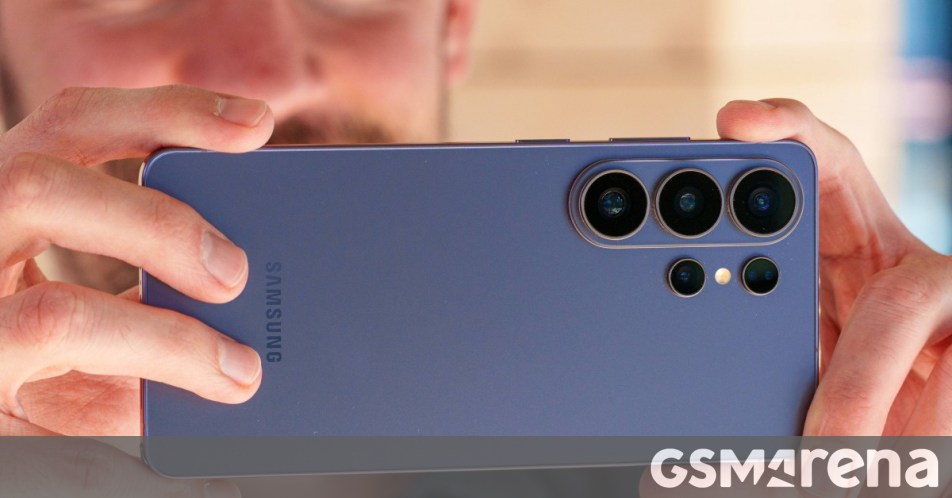
The smartphone industry is a relentless race for innovation, where each new generation strives to outdo its predecessor, particularly in the realm of mobile photography. While the Samsung Galaxy S27 Ultra is still a distant vision on the horizon, whispers and leaks have begun to paint a tantalizing picture of a device poised to revolutionize how we capture the world. At the heart of these early revelations lies a rumored 200-megapixel primary camera equipped with variable aperture technology, a feature that could fundamentally alter the landscape of smartphone imaging and solidify Samsung's position at the forefront of photographic excellence.
For years, smartphone cameras have battled the inherent limitations of fixed apertures, often compromising between low-light performance and depth of field. The introduction of a variable aperture, a technology more commonly found in professional DSLR and mirrorless cameras, would grant the S27 Ultra unprecedented control over light intake and focus. This isn't just an incremental upgrade; it represents a significant leap, promising unprecedented versatility for users ranging from casual photographers to aspiring mobile cinematographers. Coupled with a rumored redesigned rear camera island, the S27 Ultra is shaping up to be a true photographic powerhouse, setting a new benchmark for what consumers can expect from their pocket-sized devices.
The Evolution of Mobile Camera Technology: A Brief History
To appreciate the potential impact of the S27 Ultra's rumored camera, it's crucial to understand the journey of mobile photography. From the rudimentary VGA cameras of the early 2000s to the multi-lens arrays of today, the progression has been astonishing. Samsung, in particular, has been a consistent innovator. Remember the Galaxy S4 Zoom, an ambitious but ultimately niche attempt to merge a phone with a compact camera? Or the groundbreaking low-light capabilities introduced with the Galaxy S7? More recently, the S20 Ultra debuted a 108MP sensor, a bold move that pushed pixel counts into uncharted territory for smartphones. The current S23 Ultra and S24 Ultra have refined this with enhanced processing and improved optical stabilization, demonstrating Samsung's commitment to high-resolution imaging. The shift from single-digit megapixels to hundreds of megapixels in just two decades underscores the industry's relentless pursuit of photographic fidelity. This history of aggressive innovation provides a strong foundation for believing the S27 Ultra's rumored specifications are not merely speculative but a logical next step in Samsung's long-term strategy.
Variable Aperture: A Game Changer for Smartphone Photography
The concept of variable aperture in a smartphone isn't entirely new; Samsung itself experimented with it in the Galaxy S9 and S10 series, offering f/1.5 and f/2.4 options. However, the rumored implementation in the S27 Ultra, especially when paired with a 200MP sensor, suggests a far more sophisticated and impactful application. A variable aperture allows the lens to physically adjust its opening, controlling the amount of light hitting the sensor. A wider aperture (smaller f-number like f/1.8) lets in more light, ideal for low-light conditions and creating a pleasing bokeh effect (blurred background). A narrower aperture (larger f-number like f/4.0 or f/5.6) allows for greater depth of field, keeping more of the scene in focus, which is crucial for landscape photography or group shots. This flexibility traditionally required interchangeable lenses on larger cameras. Bringing this level of control to a smartphone, especially one with such a high-resolution sensor, means users could: * Capture sharper images in diverse lighting: From bright daylight to dimly lit restaurants. * Achieve professional-looking portraits: With adjustable background blur. * Enhance landscape photography: Ensuring foreground and background elements are equally crisp. * Improve video capabilities: Offering more creative control over exposure and depth.
This technology, if implemented effectively, could significantly close the gap between dedicated cameras and smartphones, making the latter an even more viable tool for serious photography.
The Power of 200 Megapixels: Beyond Just Pixel Count
While 200 megapixels might sound like overkill to some, the benefits extend beyond simply capturing massive files. Modern high-megapixel sensors, particularly those from Samsung, utilize pixel-binning technology. This technique combines data from multiple small pixels into one larger,
Stay Informed
Get the world's most important stories delivered to your inbox.
No spam, unsubscribe anytime.
Comments
No comments yet. Be the first to share your thoughts!