Samsung's 'Design Is an Act of Love' Redefines Tech at Milan Design Week 2026
Samsung Electronics captivated Milan Design Week 2026 with its 'Design Is an Act of Love' exhibition, offering a profound exploration of human-centric technology. This immersive experience transcended mere product display, inviting visitors to ponder the emotional and ethical dimensions of design. The showcase highlighted Samsung's commitment to innovation that genuinely connects with users, setting a new standard for the industry.
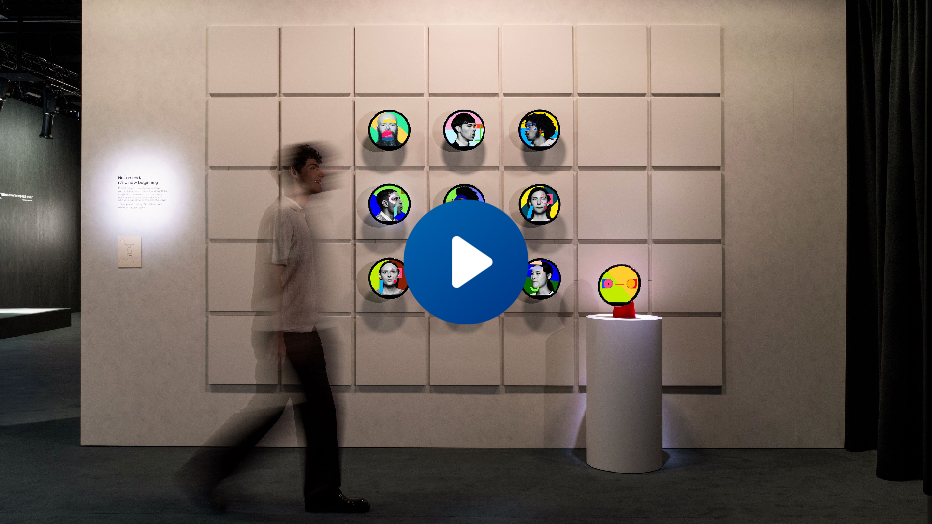
Milan, Italy – In a world increasingly defined by the cold efficiency of algorithms and the relentless pace of technological advancement, Samsung Electronics has dared to ask a profound question: Can design truly be an act of love? Their groundbreaking exhibition, “Design Is an Act of Love,” at Milan Design Week 2026, not only posed this query but offered a compelling, multi-sensory answer. From April 20 to 26, the global technology giant transformed its presence from a mere product showcase into an immersive, thought-provoking journey, inviting attendees to explore the deeply human side of innovation. This wasn't just about sleek gadgets; it was a philosophical inquiry into how technology can enrich lives, foster connection, and reflect our deepest human desires.
The Philosophy Behind the Exhibition: A Human-Centric Vision
The core premise of “Design Is an Act of Love” is a bold declaration that design, at its best, is an empathetic endeavor. It's about understanding human needs, anticipating unspoken desires, and crafting solutions that resonate on an emotional level. Samsung's exhibition served as an open lab for experimentation and discovery, moving beyond the traditional display of consumer electronics. Instead, it presented a series of installations that explored themes of connection, comfort, and the seamless integration of technology into daily life. This philosophical underpinning marks a significant pivot for Samsung, signaling a mature understanding that market leadership isn't just about specifications, but about the profound impact products have on individual well-being and societal progress.
Historically, technology has often been perceived as a tool, a means to an end. However, the last decade has seen a growing demand for products that are intuitive, aesthetically pleasing, and emotionally intelligent. Samsung, a company with a rich history of innovation dating back to its founding in 1938, has consistently adapted to these evolving consumer expectations. From its early days in electronics manufacturing to its current status as a global leader in smartphones, home appliances, and semiconductors, Samsung's journey has been one of continuous evolution. This exhibition, however, represents a new zenith in their design philosophy, emphasizing that technology should serve humanity, not the other way around. It's a testament to their long-term vision, investing not just in R&D, but in understanding the very essence of human experience.
Immersive Experiences and Design Principles
Visitors to the exhibition were greeted not by product tables, but by environments designed to evoke feeling and contemplation. One notable installation, for example, might have showcased how smart home devices could anticipate a user's mood, adjusting lighting and music to create a personalized sanctuary. Another could have explored the tactile pleasure of a new material, demonstrating how the physical interaction with a device could be as important as its digital functionality. The exhibition was segmented into several conceptual zones, each illustrating a facet of Samsung's design ethos:
* Empathy in Form: How physical design can communicate care and understanding. * Seamless Connection: Exploring the invisible threads that link devices and users. * Sustainable Futures: Showcasing materials and processes that respect the planet. * Joy in Interaction: Highlighting the delight derived from intuitive and beautiful interfaces.
These zones were not merely decorative; they were didactic, guiding visitors through Samsung's design principles. The emphasis was on craftsmanship, sustainability, and user experience. For instance, the use of recycled materials in concept devices or the modular design of future appliances hinted at a commitment to environmental responsibility and longevity. Experts in industrial design and human-computer interaction have lauded this approach, noting that it moves beyond superficial aesthetics to address deeper ethical and functional considerations. As one design critic remarked, "Samsung isn't just selling products; they're selling a vision of a better, more connected life, designed with genuine affection."
The Broader Implications for the Tech Industry
Samsung's “Design Is an Act of Love” exhibition is more than just a marketing spectacle; it's a significant statement about the future direction of the technology industry. In an increasingly competitive landscape, where hardware specifications often reach parity, differentiation through design and user experience becomes paramount. This exhibition signals that Samsung is doubling down on this strategy, positioning itself not just as a technology provider, but as a lifestyle curator and an empathetic innovator.
This approach has several critical implications:
* Elevated Brand Perception: By focusing on emotional connection, Samsung strengthens its brand as thoughtful and human-centric, appealing to a broader, more discerning consumer base. * Innovation Beyond Specs: It encourages a shift from a 'features race' to a 'meaning race,' where the value of a product is measured by its impact on quality of life rather than just its processing power. * Industry Benchmark: Other tech companies will likely take note, potentially inspiring a broader industry trend towards more philosophical and human-centered design exhibitions at global events like Milan Design Week. We might see a future where tech companies engage with art, philosophy, and social sciences more deeply.
Furthermore, the exhibition subtly addressed the growing concern among consumers about the ethical implications of technology. By framing design as an
Stay Informed
Get the world's most important stories delivered to your inbox.
No spam, unsubscribe anytime.
Comments
No comments yet. Be the first to share your thoughts!