Samsung's Glasses-Free 3D Displays: A New Dimension for Retail and Exhibitions
Samsung Electronics is aggressively expanding its glasses-free 3D display technology into smaller form factors, signaling a significant shift in how businesses engage customers. This move, spearheaded by a new 32-inch model, aims to revolutionize retail, advertising, and exhibition spaces. PulseWorld explores the implications of this immersive technology and its potential to redefine visual communication.
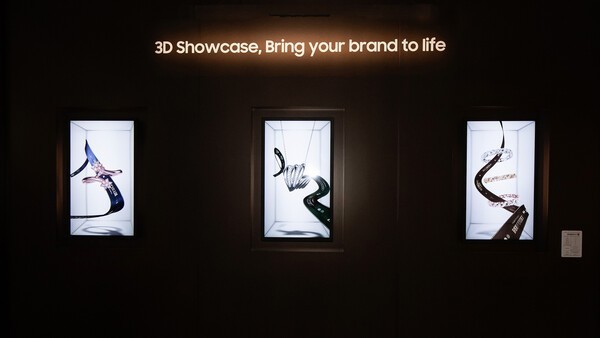
For decades, the promise of 3D technology has captivated audiences, from the early days of stereoscopes to the cinematic spectacles of recent years. Yet, the ubiquitous requirement of special glasses has often been a barrier to widespread adoption, particularly in commercial and public settings. Now, Samsung Electronics is poised to change that narrative, announcing a significant expansion of its glasses-free 3D display lineup into smaller, more versatile form factors. This strategic move, detailed on April 28, marks a pivotal moment, aiming to broaden the applications of immersive visual experiences across a diverse range of environments, most notably retail and exhibition sectors.
The introduction of a new 32-inch glasses-free 3D display is not merely an incremental product launch; it represents Samsung's renewed commitment to a technology it has been refining for years. This development signals a clear intent to move beyond niche applications and integrate cutting-free 3D visuals into the fabric of everyday commercial interaction. Imagine walking through a shopping mall, and a product advertisement springs to life, appearing to float before you, without the need for any cumbersome eyewear. This is the future Samsung envisions, and with its latest offerings, it's bringing that future closer to reality.
The Evolution of 3D: From Gimmick to Game-Changer
The journey of 3D display technology has been fraught with both innovation and disappointment. Early attempts at glasses-free 3D, often relying on lenticular lenses or parallax barriers, struggled with issues like limited viewing angles, reduced resolution, and visual discomfort. These shortcomings relegated 3D to a novelty rather than a truly transformative medium. However, advancements in computational power, display panel technology, and sophisticated algorithms have steadily chipped away at these limitations.
Samsung, a global leader in display technology, has been at the forefront of this evolution. Their current generation of glasses-free 3D displays leverages advanced directional backlight technology or multi-viewpoint rendering, allowing multiple viewers to perceive a stereoscopic image from different angles simultaneously. This significantly enhances the user experience, making the 3D effect more robust and less prone to the 'sweet spot' limitations of older technologies. The reduction in form factor, specifically the new 32-inch model, is crucial. Larger displays are often unwieldy and expensive for many commercial applications. A more compact size opens up possibilities for integration into standard retail fixtures, point-of-sale displays, and interactive kiosks, making the technology accessible to a wider array of businesses.
Unlocking New Commercial Potentials
The implications of accessible, high-quality glasses-free 3D displays for retail and exhibition environments are profound. In the highly competitive retail landscape, capturing customer attention is paramount. Traditional 2D signage, while effective, often blends into the background. 3D advertising, however, possesses an inherent ability to stand out, creating a sense of depth and realism that can significantly enhance product appeal.
* Enhanced Product Visualization: Imagine a jewelry store where diamonds sparkle with realistic depth, or a car dealership showcasing a vehicle that appears to rotate in three dimensions right before a potential buyer's eyes. This level of immersion can bridge the gap between online browsing and physical interaction, providing a richer, more informative experience. * Dynamic Storytelling: Brands can use 3D displays to tell more engaging stories about their products, demonstrating features in a way that static images or even traditional video cannot. This could range from showing the internal workings of an electronic device to illustrating the texture and drape of a fabric. * Interactive Experiences: Coupled with touch or gesture recognition, these displays could become interactive portals, allowing customers to manipulate 3D models of products, customize options, and explore details with unprecedented realism. This transforms passive viewing into active engagement, fostering a deeper connection with the brand. * Exhibition and Museum Applications: Beyond retail, exhibitions, museums, and corporate lobbies can leverage these displays to create captivating educational content or showcase complex data visualizations in a more intuitive and memorable manner. Imagine ancient artifacts or intricate machinery rendered in stunning 3D, accessible to all visitors without special equipment.
The Technological Edge: What Makes Samsung's Offering Stand Out?
Samsung's expertise in display manufacturing is a significant advantage. The company's ability to produce high-resolution panels with excellent color accuracy and brightness is critical for delivering a compelling glasses-free 3D experience. Key technological differentiators likely include:
* Advanced Optical Layers: Precision-engineered lenticular lenses or parallax barrier layers are essential for directing light to create the stereoscopic effect for multiple viewing angles without crosstalk or blur. * High-Performance Processing: Rendering real-time 3D content for multiple viewpoints requires substantial processing power. Samsung's displays likely incorporate powerful integrated circuits capable of handling the complex algorithms needed for seamless 3D rendering. * Content Ecosystem: While hardware is crucial, the availability of compelling 3D content is equally important. Samsung is likely investing in partnerships and tools to facilitate content creation, making it easier for businesses to develop engaging 3D advertisements and informational displays. This could involve software development kits (SDKs) or partnerships with 3D content studios. * Durability and Reliability: For commercial applications, displays need to be robust and capable of continuous operation. Samsung's reputation for industrial-grade displays suggests these new 3D units will meet the stringent demands of public and commercial environments.
Challenges and the Road Ahead
Despite the exciting potential, challenges remain. The cost of glasses-free 3D displays, while decreasing, is still higher than conventional 2D screens. Content creation for 3D also requires specialized skills and tools, which can add to implementation costs for businesses. Furthermore, while viewing angles have improved, optimizing the 3D effect for extremely wide or unconventional viewing positions will continue to be an area of research and development.
However, the trajectory is clear. As manufacturing processes become more efficient and demand grows, prices will inevitably fall, making these displays more accessible. The burgeoning ecosystem of 3D content creation tools, fueled by advancements in AI and real-time rendering engines, will also simplify the production of engaging visuals. Samsung's strategic focus on smaller form factors is a smart play, targeting a sweet spot where the technology can deliver maximum impact without prohibitive investment for businesses.
In conclusion, Samsung's expansion of its glasses-free 3D display lineup represents more than just a product update; it signifies a strategic push to democratize immersive visual experiences. By making high-quality 3D accessible without the need for special eyewear, Samsung is not just selling displays; it's offering businesses a powerful new tool to captivate, inform, and engage their customers in ways previously confined to science fiction. The retail and exhibition landscapes are on the cusp of a new visual revolution, and Samsung is leading the charge, promising a future where our commercial environments are as dynamic and multi-dimensional as the products they showcase.
Stay Informed
Get the world's most important stories delivered to your inbox.
No spam, unsubscribe anytime.
Comments
No comments yet. Be the first to share your thoughts!