Second View App: Revolutionizing Analog Photography with iPhone's Digital Brain
The Second View app is transforming how analog photographers approach their craft, leveraging the iPhone's advanced sensors to offer a comprehensive suite of tools. From precise light metering and LiDAR-powered distance scaling to parallax correction and film emulation, this innovative application bridges the gap between classic techniques and modern technology. It promises to streamline workflows, enhance accuracy, and unlock new creative possibilities for film enthusiasts worldwide.
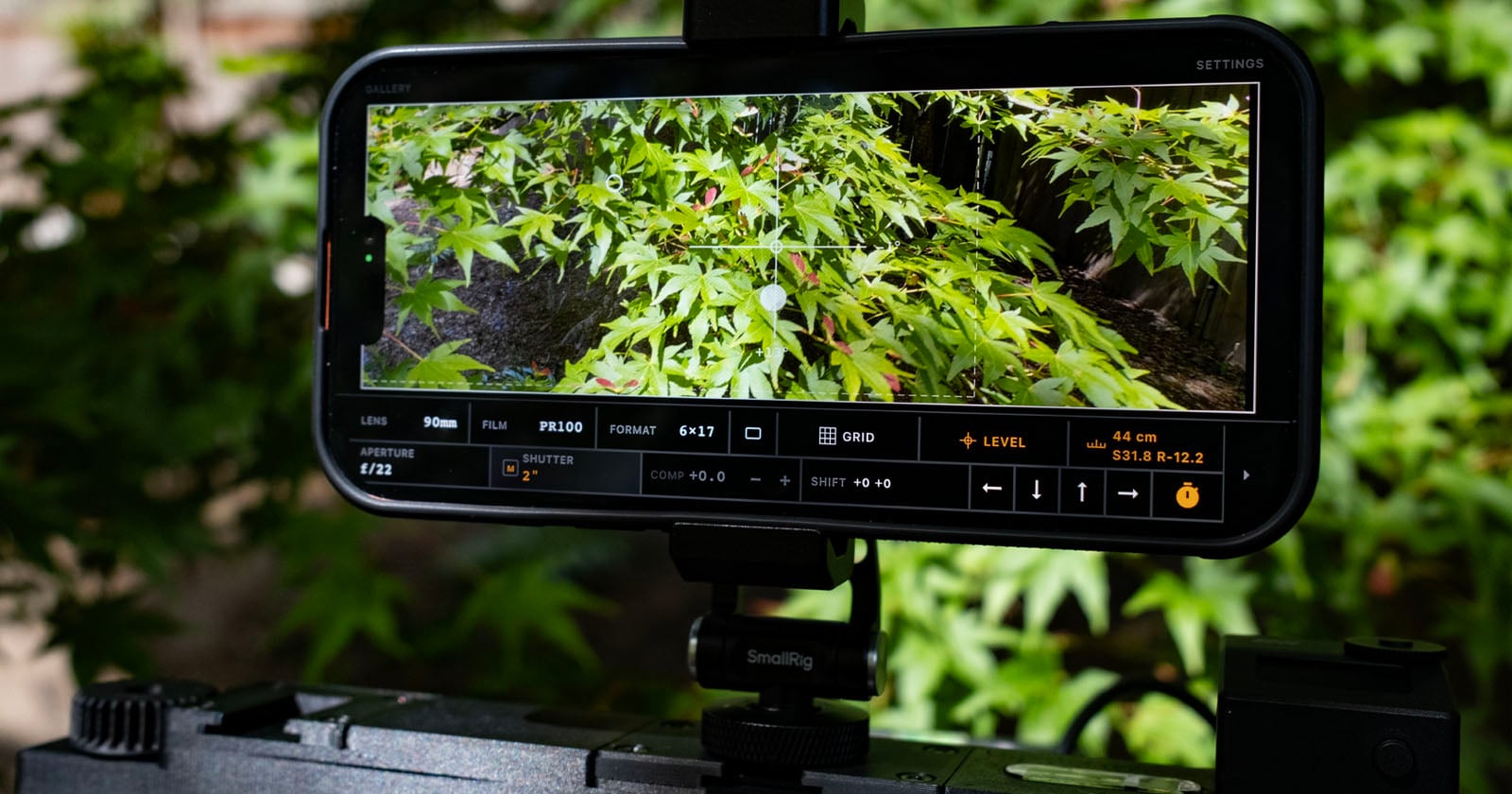
In an era dominated by digital convenience, the enduring allure of analog photography continues to captivate a dedicated community of artists and enthusiasts. The tactile experience of loading film, the deliberate process of composition, and the anticipation of developing negatives offer a unique satisfaction that digital cameras, for all their prowess, often cannot replicate. Yet, even the most ardent film photographers sometimes yearn for the precision and efficiency that modern technology affords. Enter Second View, a groundbreaking iOS application that is poised to become an indispensable companion for anyone shooting on film, effectively turning an iPhone into an all-in-one assistant for the analog darkroom and beyond.
Bridging Two Worlds: The Digital-Analog Synergy
The premise of Second View is elegantly simple yet profoundly impactful: harness the sophisticated sensors and processing power of contemporary iPhones to augment the traditional analog photography workflow. For decades, film photographers have relied on a collection of separate tools—handheld light meters, external rangefinders, and exposure calculators—to achieve optimal results. These tools, while effective, add bulk, complexity, and often, significant cost. Second View consolidates these functionalities, and much more, into a single, intuitive interface on a device most photographers already carry.
At its core, the app integrates a highly accurate light meter, utilizing the iPhone's camera to read ambient and reflected light. This is a crucial function for any film photographer, as correct exposure is paramount to capturing detail and dynamic range on film. Beyond simple metering, Second View offers advanced modes, including spot metering, allowing for precise control over specific areas of a scene. This level of granular control, previously the domain of high-end dedicated light meters, is now accessible with a tap.
Precision and Innovation: LiDAR, Parallax, and Beyond
Perhaps one of Second View's most innovative features is its utilization of the iPhone's LiDAR scanner for distance measurement. For photographers working with manual focus lenses, especially large format or medium format cameras where precise focusing is critical, a reliable distance scale is invaluable. Traditional rangefinders can be cumbersome, and estimating distances by eye is prone to error. LiDAR technology, which emits pulsed laser light to measure distances, provides an incredibly accurate and fast way to determine subject distance. This translates directly to sharper, more consistently focused images, particularly in low light or challenging environments where visual cues are scarce.
Another significant enhancement is parallax correction. When using view camera systems or even some twin-lens reflex (TLR) cameras, the lens through which the image is captured is often different from the lens used for viewing. This discrepancy, known as parallax, can lead to framing errors, especially when subjects are close to the camera. Second View's ability to account for and correct this parallax in real-time, by adjusting the frame displayed on the iPhone screen, is a game-changer. It ensures that what the photographer sees through the app's viewfinder is precisely what will be captured on film, eliminating frustrating surprises during development.
The app also boasts an exposure timer, essential for long exposures common in landscape, astrophotography, or low-light scenarios. Instead of fumbling with external timers or mental calculations, photographers can set their desired duration and let the app handle the countdown. Furthermore, it includes a reciprocity failure calculator, a vital tool for film photographers. Reciprocity failure is a phenomenon where film becomes less sensitive to light during very long or very short exposures, requiring adjustments to the calculated exposure time. Second View automates these complex calculations, saving time and preventing underexposed or overexposed negatives.
The Creative Edge: Film Emulation and Workflow Optimization
Beyond its technical functionalities, Second View also caters to the artistic side of analog photography. It offers film emulation profiles, allowing photographers to preview how different film stocks might render a scene before they even load the film. While not a substitute for the actual film, this feature provides an excellent guide for creative decision-making, helping photographers choose the right film for their desired aesthetic. Imagine being able to visualize the subtle color shifts of Portra, the stark contrast of Tri-X, or the vibrant saturation of Velvia, all before pressing the shutter.
The app also includes practical tools for workflow management, such as a film roll tracker. This helps photographers keep tabs on how many frames they've shot on a roll, preventing accidental double exposures or running out of film unexpectedly. For those who develop their own film, the integrated development timer ensures consistent processing, a critical factor for achieving repeatable and high-quality results. Customizable agitation sequences and temperature compensation further refine the development process, bringing laboratory-level precision to the home darkroom.
The Resurgence of Analog and the Role of Technology
The resurgence of analog photography in recent years is not merely a nostalgic fad; it's a testament to the unique qualities and artistic satisfaction it offers. From dedicated hobbyists to professional artists, a growing number of individuals are embracing film for its distinct aesthetic, its deliberate pace, and the tangible nature of the final product. However, this revival has also highlighted some of the inherent challenges of working with older technology in a modern world. The scarcity of certain equipment, the learning curve, and the need for precision can be daunting for newcomers and seasoned veterans alike.
Second View addresses these challenges head-on. By integrating advanced digital tools into the analog workflow, it lowers the barrier to entry for new film photographers while empowering experienced ones with unprecedented levels of control and convenience. It demonstrates that technology doesn't have to be an adversary to traditional crafts; instead, it can be a powerful ally, enhancing and preserving them. The app's development reflects a broader trend in photography where digital innovations are being used to support and enrich analog practices, rather than replace them entirely. This symbiotic relationship ensures that the art of film photography remains vibrant and accessible for generations to come.
A Glimpse into the Future of Film Photography
Second View represents more than just a collection of features; it embodies a philosophy that embraces both the heritage and the future of photography. It acknowledges the timeless appeal of film while recognizing the undeniable advantages of modern computational power. As iPhones continue to evolve with even more sophisticated sensors and processing capabilities, the potential for apps like Second View to offer even greater precision, more nuanced insights, and further automation is immense.
Imagine future iterations that could integrate advanced AI for scene analysis, suggesting optimal film stocks or development parameters based on lighting conditions and desired mood. Or perhaps even more sophisticated augmented reality overlays that guide composition and focus in real-time. The developers of Second View have laid a robust foundation, proving that the iPhone is not just a camera in itself, but a powerful platform for enhancing other cameras, particularly those of the analog persuasion. For the analog community, Second View is not just an app; it's a declaration that the future of film photography is bright, innovative, and deeply connected to the digital age.
Stay Informed
Get the world's most important stories delivered to your inbox.
No spam, unsubscribe anytime.
Comments
No comments yet. Be the first to share your thoughts!