Singapore Airlines' Cabin Refresh Takes a Detour: Next-Gen Seats Delayed to 2027
Singapore Airlines' highly anticipated next-generation First and Business Class seats, part of a S$1.1 billion retrofit program for its A350-900 fleet, will now debut in 2027. Originally slated for 2024, the delay is attributed to persistent global supply chain disruptions and complex certification processes. This setback impacts the airline's premium cabin strategy and competitive positioning in the luxury travel market, forcing a re-evaluation of passenger expectations and fleet modernization timelines.
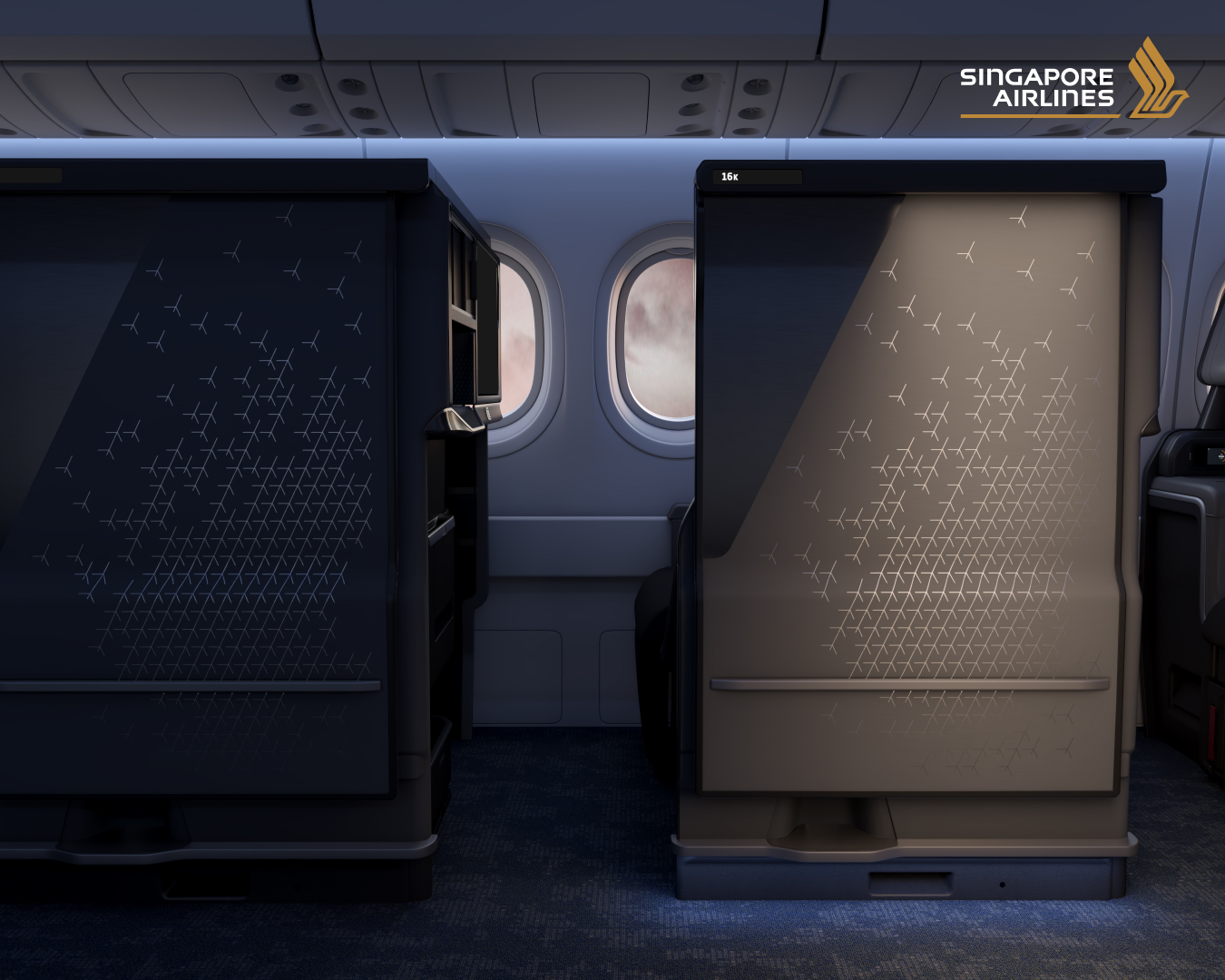
The skies, once a realm of predictable luxury and meticulous planning, are increasingly subject to the turbulent realities of global economics and logistical bottlenecks. For Singapore Airlines (SIA), a carrier synonymous with unparalleled service and cabin innovation, this truth has become starkly apparent. What was once heralded as a significant leap forward in premium air travel – the debut of its next-generation First and Business Class seats – has now been pushed back by a considerable margin, from an initial 2024 target to a new horizon of 2027. This delay, impacting a substantial S$1.1 billion retrofit program for 41 Airbus A350-900 aircraft, sends ripples through the aviation industry and among discerning travelers eagerly awaiting SIA's latest offerings.
The Promise of a New Era: SIA's Ambitious Retrofit
In November 2024, Singapore Airlines unveiled an ambitious plan to redefine luxury air travel. The S$1.1 billion investment was not merely a facelift but a comprehensive overhaul designed to introduce entirely new cabin products across all four classes on its long-haul Airbus A350-900 fleet. The centerpiece of this initiative was undoubtedly the highly anticipated next-generation First and Business Class seats, promising enhanced privacy, comfort, and state-of-the-art amenities. These new products were expected to solidify SIA's position at the pinnacle of premium air travel, offering a distinct competitive edge against rivals like Qatar Airways, Emirates, and ANA, all of whom have been aggressively upgrading their premium cabins.
The A350-900s, forming the backbone of SIA's long-haul network, were ideal candidates for this upgrade. The retrofit program envisioned a staggered rollout, with the first aircraft expected to emerge from the hangar by late 2024 or early 2025, gradually introducing these new experiences to passengers. The excitement was palpable, fueled by SIA's history of groundbreaking cabin designs, from its iconic Suites to its award-winning Business Class products. Travelers and industry observers alike were keen to see how SIA would once again raise the bar.
Unforeseen Turbulence: Supply Chains and Certification Headwinds
The aviation industry, perhaps more than any other, is a complex web of global suppliers, stringent regulations, and intricate logistics. It is within this intricate ecosystem that SIA's ambitious plans encountered significant headwinds. The primary culprits for the delay are twofold: persistent global supply chain disruptions and complex certification issues.
Post-pandemic, the global supply chain has struggled to regain its pre-2020 efficiency. Manufacturing delays for specialized materials, components, and even tooling necessary for aircraft interior modifications have become commonplace. Aircraft seat manufacturers, who rely on a vast network of sub-suppliers for everything from advanced composites to intricate electronic systems, have been particularly affected. The bespoke nature of premium cabin products means that even minor delays in a single component can have a cascading effect on the entire production timeline.
Furthermore, the introduction of entirely new seat designs, especially for First and Business Class, requires rigorous testing and certification from aviation authorities worldwide. These processes are incredibly thorough, ensuring passenger safety and compliance with international standards. Any design modifications, material changes, or manufacturing adjustments can trigger additional rounds of testing and approvals, adding months, if not years, to the timeline. The complexity of integrating new technology and ensuring structural integrity within an existing aircraft frame is a monumental task, often underestimated by those outside the industry. Industry experts note that certification can often be the single biggest bottleneck in new aircraft product introductions, especially when dealing with bespoke designs that push the boundaries of current technology and comfort standards.
Implications for Singapore Airlines and the Premium Market
The delay carries significant implications for Singapore Airlines. Firstly, it impacts the airline's competitive positioning. In the fiercely competitive premium travel market, innovation is key. Rivals are not standing still; they are continuously upgrading their offerings to attract high-value customers. A three-year delay means SIA will operate with its current generation of premium products for longer than anticipated, potentially allowing competitors to gain an edge with newer, more appealing cabins. This could affect market share, especially on lucrative long-haul routes where premium revenue is critical.
Secondly, there's the financial impact. While the S$1.1 billion investment remains, the delayed rollout means a delayed return on that investment. Furthermore, the cost of delays can escalate due to contractual penalties, storage fees for components, and the opportunity cost of not having the enhanced product in service. The airline will also need to manage passenger expectations carefully, as many frequent flyers and premium customers were undoubtedly looking forward to these upgrades.
From a passenger perspective, the delay is disappointing but perhaps not entirely surprising given the current global climate. While SIA's current premium products are still highly regarded, the anticipation built around the 'next-generation' offering was considerable. Travelers seeking the absolute latest in luxury might consider other carriers in the interim. However, SIA's strong brand loyalty and consistently high service standards will likely mitigate some of the negative effects.
Navigating the Future: Resilience and Strategic Adjustments
Singapore Airlines is no stranger to adversity, having navigated numerous industry crises throughout its history. The airline's response to this delay will be critical. It will likely involve a combination of strategic adjustments:
* Transparent Communication: Maintaining open and honest communication with passengers and investors about the reasons for the delay is paramount to preserving trust. * Optimizing Existing Fleet: While waiting for the new seats, SIA may focus on maximizing the appeal of its current premium products through enhanced service, refreshed soft products (amenities, dining), and targeted promotions. * Phased Rollout Re-evaluation: The airline might need to re-evaluate the pace and sequence of the retrofit once production and certification timelines become clearer, potentially prioritizing certain routes or aircraft based on strategic importance. * Supplier Engagement: Intensive collaboration with suppliers to mitigate further delays and explore alternative solutions will be crucial.
This situation underscores a broader trend in the aviation industry: the increasing complexity and interconnectedness of global manufacturing and regulatory processes. Airlines, even those as robust and well-managed as Singapore Airlines, are at the mercy of external factors that can derail even the most meticulously planned projects. The promise of the next-generation cabin products remains, but the journey to their debut is proving to be longer and more challenging than initially envisioned. For now, travelers will have to exercise patience, trusting that when these new seats finally take to the skies in 2027, they will indeed be worth the wait, reaffirming Singapore Airlines' legacy of excellence in the luxury travel sector.
Stay Informed
Get the world's most important stories delivered to your inbox.
No spam, unsubscribe anytime.
Comments
No comments yet. Be the first to share your thoughts!