Starmer Pledges IRGC Ban: UK's Stance on Iran's Revolutionary Guard Intensifies
UK Prime Minister Keir Starmer has committed to proscribing Iran's Islamic Revolutionary Guard Corps (IRGC) as a terrorist organization in the next parliamentary session. This move signals a significant escalation in the UK's policy towards Iran, aligning with growing international pressure. The decision is driven by concerns over the IRGC's destabilizing regional activities and its role in human rights abuses, promising profound diplomatic and security implications.
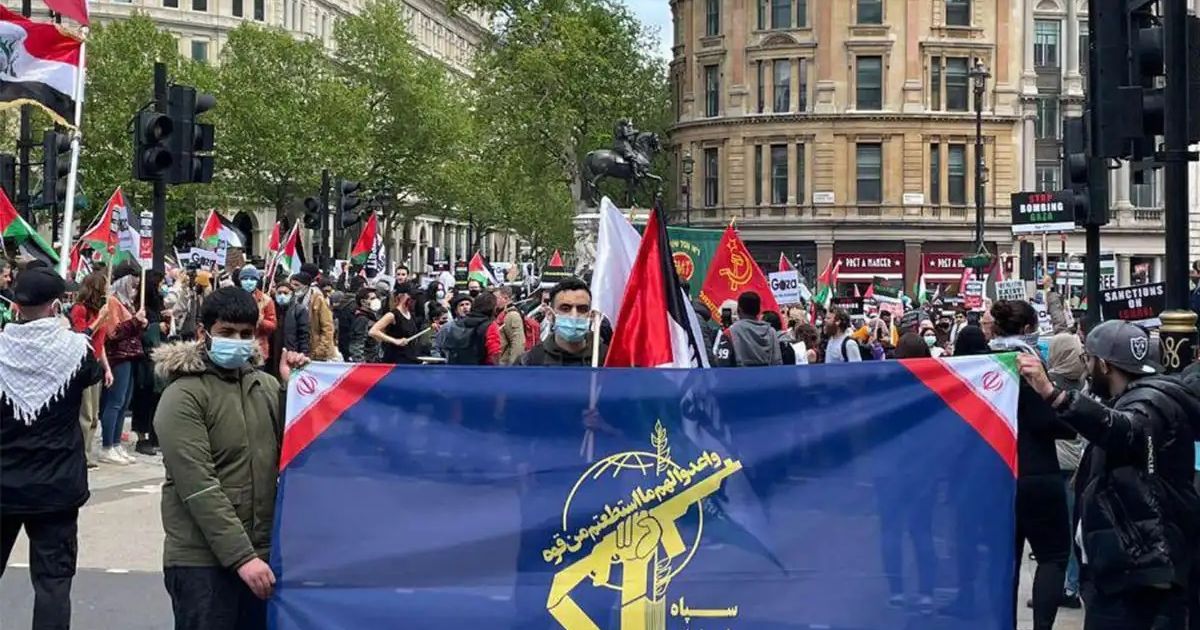
In a decisive declaration that signals a significant shift in the United Kingdom's foreign policy, Prime Minister Keir Starmer has pledged to formally proscribe Iran's Islamic Revolutionary Guard Corps (IRGC) as a terrorist organization. This commitment, made in an interview with the Jewish Chronicle, indicates that legislation will be introduced during the upcoming parliamentary session, marking a pivotal moment in the UK's approach to Tehran. The move comes amid escalating tensions in the Middle East and increasing international scrutiny of the IRGC's activities, promising to reshape diplomatic relations and security strategies.
The Rationale Behind Proscription
The decision to proscribe the IRGC is not taken lightly and reflects a culmination of concerns regarding the organization's multifaceted role in regional instability and its direct involvement in hostile actions. The IRGC, a powerful branch of Iran's armed forces, is not merely a military entity; it wields significant economic, political, and cultural influence within Iran and across the Middle East. Its Quds Force, an elite special operations unit, is particularly notorious for supporting proxy groups such as Hezbollah in Lebanon, Hamas in Palestine, and various militias in Iraq, Syria, and Yemen. These actions are widely seen as destabilizing the region, fueling conflicts, and undermining international peace efforts.
Furthermore, the IRGC has been implicated in numerous human rights abuses within Iran, including the violent suppression of protests, arbitrary detentions, and executions. Its involvement in plots against dissidents abroad and its alleged role in cyberattacks also contribute to the growing international consensus that its activities extend far beyond conventional military operations. For the UK, proscription would mean that membership in the IRGC, attending its meetings, expressing support for it, or displaying its flag could lead to a prison sentence of up to 14 years. This legal framework would significantly curtail the organization's ability to operate or garner support within British borders.
Historical Context and International Precedents
The call to ban the IRGC is not new. For years, various political figures and human rights organizations have advocated for this measure, citing the IRGC's consistent pattern of aggressive behavior. The United States designated the IRGC as a Foreign Terrorist Organization (FTO) in 2019, a move that was unprecedented for a branch of a foreign government's military. This American precedent has long been a point of reference for those pushing for similar action in the UK and the European Union.
In the UK, the debate intensified following the 2020 downing of Ukraine International Airlines Flight 752 by the IRGC, which killed 176 people, including several British nationals. More recently, concerns have mounted over alleged IRGC plots to kidnap or assassinate British residents and journalists, as well as its role in supplying drones to Russia for use in Ukraine. These incidents have underscored the direct threat the IRGC poses not just to regional stability but also to national security interests far beyond Iran's borders. The European Parliament has also passed non-binding resolutions calling for the IRGC's proscription, indicating a broader Western alignment on the issue, though individual member states have yet to follow suit.
Implications and Potential Repercussions
The proscription of the IRGC by the UK would carry substantial diplomatic and geopolitical weight. It would undoubtedly be met with strong condemnation from Tehran, potentially leading to a further deterioration of already strained relations. Iran could retaliate through various means, including: * Expulsion of British diplomats * Increased harassment of British nationals * Cyberattacks targeting UK interests * Heightened support for anti-Western proxy groups
Economically, the move could complicate any future attempts at re-engagement or sanctions relief, particularly if the Joint Comprehensive Plan of Action (JCPOA), or Iran nuclear deal, were ever to be revived. However, proponents argue that the moral and security imperatives outweigh these risks. They contend that failing to act would embolden the IRGC and undermine international efforts to curb its malign influence. The proscription would also send a clear message to Iran that its actions have severe consequences and that the international community is prepared to take decisive steps to counter its aggression.
Furthermore, the UK's decision could exert pressure on other European nations to follow suit. A coordinated approach among Western powers would significantly amplify the impact of such a designation, making it harder for the IRGC to conduct its illicit activities and fund its operations globally. This move by Starmer's government could therefore be a catalyst for a broader European consensus on confronting the IRGC.
The Path Forward: Challenges and Opportunities
While the commitment to proscribe the IRGC is firm, the implementation will involve navigating complex legal and diplomatic challenges. The UK's legal framework for proscription requires robust evidence linking the organization to terrorist activities, a process that intelligence agencies have been meticulously building. Once enacted, the ban will necessitate increased vigilance from law enforcement and intelligence services to monitor and disrupt IRGC-related activities within the UK.
This policy shift also presents an opportunity for the UK to reaffirm its commitment to international security and human rights. By taking a strong stance against an organization widely perceived as a state sponsor of terrorism, the UK can bolster its credibility on the global stage and demonstrate leadership in confronting authoritarian regimes. It aligns with the broader strategy of isolating regimes that pose a threat to democratic values and international norms.
In conclusion, Prime Minister Starmer's pledge to ban the IRGC marks a watershed moment. It signifies a hardening of the UK's posture towards Iran, driven by a recognition of the severe threats posed by the Revolutionary Guard. While the path ahead is fraught with potential challenges and diplomatic fallout, the decision underscores a growing international resolve to hold the IRGC accountable for its actions. The upcoming parliamentary session will be closely watched as the UK moves to translate this commitment into concrete legislative action, with far-reaching implications for global security and the future of the Middle East.
Stay Informed
Get the world's most important stories delivered to your inbox.
No spam, unsubscribe anytime.
Comments
No comments yet. Be the first to share your thoughts!