Strait of Hormuz Reopening: Will Bay Area Gas Prices Finally Plummet?
The recent announcement by Iran to fully reopen the Strait of Hormuz has sent ripples through global oil markets, leading to an immediate dip in crude prices. Experts are now weighing in on whether this significant geopolitical shift will translate into substantial and sustained relief at the gas pumps for Bay Area residents, who have long faced some of the nation's highest fuel costs. This article explores the complex interplay of global oil dynamics, regional supply chains, and consumer expectations.
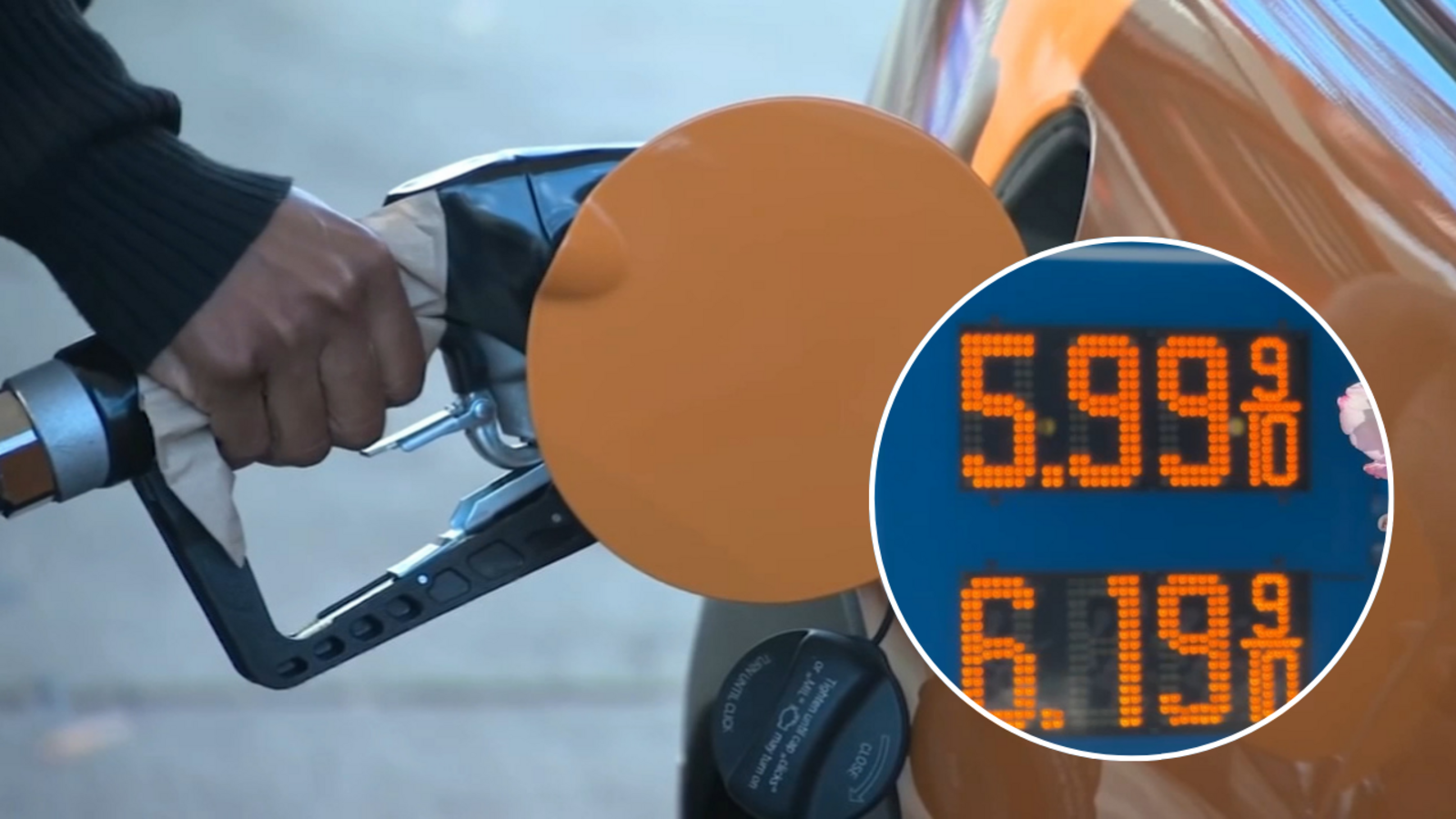
The Bay Area, a region synonymous with innovation and high living costs, has long grappled with some of the highest gasoline prices in the United States. For residents, every cent at the pump is scrutinized, and any news that hints at relief is met with cautious optimism. Recently, a significant geopolitical development emerged from the Middle East: Iran's announcement to fully reopen the Strait of Hormuz. This strategic waterway, a critical chokepoint for global oil shipments, had been a source of tension and uncertainty, often contributing to price volatility. The news of its full reopening immediately sent global oil prices tumbling by over 8%, sparking hope that Bay Area gas prices, which have recently edged down to just under $6 a gallon, might finally see a more substantial and sustained drop. But how quickly, and how significantly, will this global shift translate to local savings? Experts suggest a complex interplay of factors will determine the real-world impact.
The Geopolitical Chessboard and Oil's Volatility
The Strait of Hormuz is not merely a shipping lane; it is the world's most important oil transit chokepoint. Situated between Iran and Oman, it connects the Persian Gulf to the open ocean, through which roughly one-fifth of the world's total petroleum liquids consumption passes daily. Any disruption or perceived threat to this passage can send shockwaves through the global energy market, causing prices to spike due to supply fears. Iran's decision to fully reopen the Strait, following periods of heightened tensions and partial closures, signals a potential de-escalation in a volatile region, reassuring markets of stable supply.
Historically, geopolitical events in the Middle East have been primary drivers of oil price fluctuations. From the 1973 oil crisis to the Iran-Iraq War and more recent conflicts, the region's stability directly correlates with global energy security. The current move by Iran is widely interpreted as a diplomatic gesture, potentially aimed at easing international sanctions or improving regional relations. This reduction in geopolitical risk premium is the immediate cause of the observed 8% drop in crude oil prices. For traders and analysts, this means less uncertainty, leading to a more stable, and often lower, price environment for crude oil futures.
From Crude Barrels to Bay Area Pumps: The Lag Effect
While the drop in crude oil prices is a welcome development, the journey from a barrel of crude to a gallon of gasoline at a Bay Area pump is neither direct nor instantaneous. Several layers of costs and market dynamics influence the final price consumers pay:
* Refining Costs: Crude oil must be refined into gasoline, a process that incurs significant operational expenses. The capacity and efficiency of refineries, particularly those serving the West Coast, play a crucial role. * Taxes: California has some of the highest gasoline taxes in the nation, including state excise taxes, sales taxes, and various environmental fees. These add a substantial fixed cost per gallon, regardless of crude oil prices. * Distribution and Marketing: Transporting gasoline from refineries to gas stations, along with marketing and station operating costs, also contributes to the final price. * Regional Supply and Demand: The Bay Area's unique market dynamics, including its geographical isolation from major refining centers outside California and stringent environmental regulations requiring special fuel blends, often lead to higher prices compared to other parts of the country.
Experts typically cite a lag time of several weeks for changes in crude oil prices to fully manifest at the retail pump. This is because gas stations purchase fuel in advance, and their inventory turnover rate dictates how quickly new, lower-priced fuel reaches their tanks. Therefore, while the initial dips are encouraging, a more significant and sustained reduction might take time to materialize.
Expert Outlook: Cautious Optimism for Consumers
Energy analysts are offering a mix of cautious optimism and pragmatic realism regarding the impact on Bay Area gas prices. Dr. Sarah Chen, an energy economist at Stanford University, notes, "The 8% drop in crude is substantial, but it's important to remember that crude oil typically accounts for about 50-60% of the final price of gasoline. The other components – taxes, refining, distribution – remain relatively constant. So, an 8% drop in crude doesn't necessarily mean an 8% drop at the pump." She predicts a potential 15-30 cent per gallon decrease over the next few weeks, assuming the lower crude prices hold steady.
Furthermore, the long-term stability of the Strait of Hormuz's reopening is crucial. "Any renewed tensions or threats to shipping could quickly reverse these gains," warns Michael Davis, a geopolitical risk analyst. "Markets are always forward-looking, and perceived stability is as important as actual stability." This means that while the immediate future looks brighter, consumers should remain aware of the inherent volatility of the global energy market.
Beyond the Pump: Broader Economic Implications
The impact of lower oil prices extends beyond the individual consumer's wallet. For the broader economy, a sustained drop in energy costs can act as a significant stimulus. Businesses, particularly those reliant on transportation and logistics, could see reduced operational expenses, potentially leading to lower consumer prices for goods and services, or increased investment. This could help temper inflationary pressures that have been a concern for economists and policymakers.
Conversely, a prolonged period of low oil prices can also have adverse effects on oil-producing nations and companies, potentially leading to reduced investment in exploration and production, which could, in the long run, create future supply shortages. However, for now, the focus remains on the immediate relief it offers to consumers and businesses grappling with high costs.
The Road Ahead: What to Expect
Bay Area residents should anticipate a gradual rather than immediate plummet in gas prices. While the initial dips are a positive sign, the full effect of the Strait of Hormuz reopening will unfold over the coming weeks. Factors to watch include:
* Sustained Crude Price Stability: Will crude oil prices remain at their lower levels, or will other global events cause them to rebound? * Refinery Utilization: How efficiently are California's refineries operating, and are there any planned maintenance shutdowns that could affect supply? * Seasonal Demand: As we approach different seasons, demand patterns can shift, influencing prices.
In conclusion, the reopening of the Strait of Hormuz offers a tangible reason for optimism regarding Bay Area gas prices. It underscores the profound interconnectedness of global geopolitics and local consumer costs. While a dramatic collapse in prices might be an overstatement, a period of more stable and potentially lower fuel costs appears to be on the horizon, offering a much-needed reprieve for the region's drivers and economy. The coming weeks will be crucial in determining the true extent of this global shift's local impact, reminding us that in the world of energy, every major international development eventually trickles down to the individual's daily commute.
Stay Informed
Get the world's most important stories delivered to your inbox.
No spam, unsubscribe anytime.
Comments
No comments yet. Be the first to share your thoughts!