Strait of Hormuz: US Denies Iranian Warship Confrontation Amid Escalating Tensions
Amidst heightened geopolitical friction, the United States has vehemently denied Iranian state media claims that its naval forces prevented a US destroyer from entering the Strait of Hormuz. This denial comes shortly after then-President Donald Trump announced plans to 'guide' ships through the critical waterway, further intensifying the already volatile situation in the Persian Gulf. The incident underscores the delicate balance of power and the constant risk of miscalculation in one of the world's most vital maritime chokepoints, with global implications for energy security and international trade.
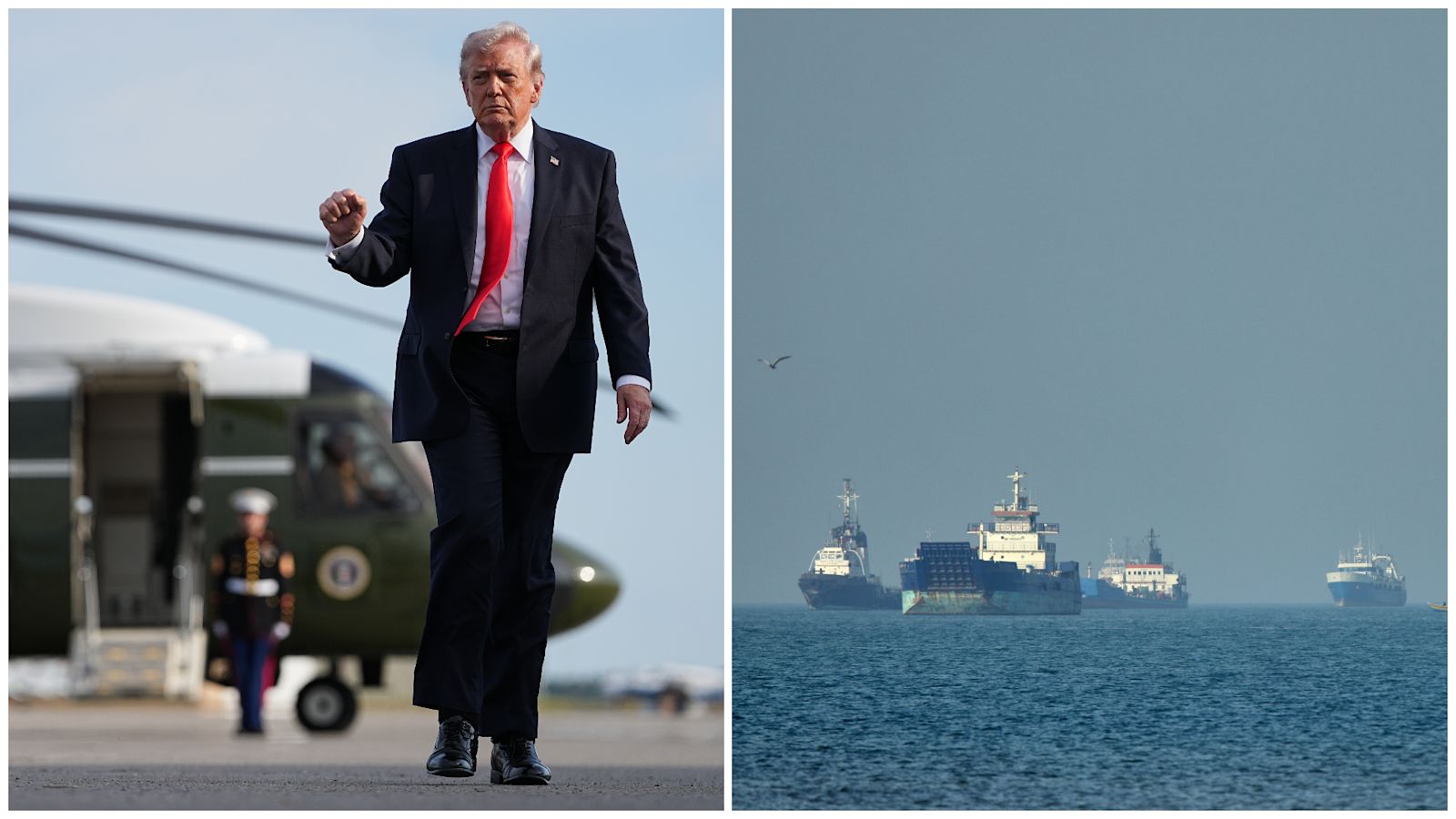
The narrow, strategic waters of the Strait of Hormuz, a critical artery for global oil shipments, have once again become the epicenter of a dangerous geopolitical dance. In a move that sent ripples through international diplomatic and financial circles, the United States categorically denied claims by Iranian state media that its naval forces had successfully blocked a US Navy destroyer from entering the strait. This denial, issued with a swiftness indicative of the gravity of the situation, directly contradicted Tehran's narrative, painting a picture of escalating tensions and conflicting realities in one of the world's most sensitive maritime chokepoints.
The alleged confrontation followed closely on the heels of a provocative statement from then-President Donald Trump, who declared that the US would launch an effort to "guide" stranded ships from the "Iran-gripped" strait. This assertion, delivered with characteristic bluntness, was widely interpreted as a direct challenge to Iran's perceived influence and control over the waterway, setting the stage for potential flashpoints. The incident, whether real or fabricated by Iranian media, underscored the precarious nature of navigation and military presence in a region fraught with historical animosities and contemporary rivalries.
A Chokepoint of Global Significance
The Strait of Hormuz is not merely a stretch of water; it is a geopolitical linchpin. Connecting the Persian Gulf with the Arabian Sea and the broader Indian Ocean, it is the sole sea passage from the oil-rich Gulf to the open ocean. Approximately one-fifth of the world's total petroleum consumption and one-third of the world's liquefied natural gas (LNG) passes through this strait daily. For context, this translates to roughly 21 million barrels of oil per day, making any disruption a potential catastrophe for the global energy market and, by extension, the world economy.
Its strategic importance has historically made it a flashpoint. Iran, with its long coastline along the northern side of the strait, has repeatedly threatened to close it in response to international sanctions or military threats. Such a move, while economically devastating for Iran itself, would undoubtedly trigger a global crisis, sending oil prices skyrocketing and potentially leading to military intervention. The international community, particularly major oil importers like China, India, Japan, and European nations, has a vested interest in maintaining the free flow of commerce through the strait, often relying on the US Navy to ensure its security.
Conflicting Narratives and Information Warfare
The immediate aftermath of the Iranian claim saw a rapid exchange of statements, highlighting a classic example of information warfare. Iranian state media, often a mouthpiece for the Revolutionary Guard Corps (IRGC), reported that its forces had successfully "stopped" a US warship, portraying it as a victory and a demonstration of Iran's naval prowess. This narrative was likely aimed at a domestic audience, bolstering national pride and projecting an image of strength against a perceived adversary.
Conversely, the Pentagon and US naval commanders swiftly dismissed these claims as "categorically false" and "Iranian propaganda." US officials emphasized that their vessels operate in international waters in accordance with international law, and that there was no incident involving any US Navy ship being impeded or forced to alter its course. The discrepancy between these accounts underscores the difficulty in discerning truth from fiction in a highly politicized environment, where each side seeks to control the narrative and influence public perception both domestically and internationally.
This pattern of conflicting reports is not new. Over the years, there have been numerous instances of close encounters, alleged harassment, and tit-for-tat accusations between US and Iranian naval forces in the Gulf and the Strait of Hormuz. These incidents, regardless of their veracity, contribute to an atmosphere of mistrust and increase the risk of miscalculation, where a minor incident could rapidly escalate into a major confrontation.
The Trump Administration's 'Maximum Pressure' Campaign
The backdrop to these events was the Trump administration's "maximum pressure" campaign against Iran. Initiated after the US withdrawal from the Joint Comprehensive Plan of Action (JCPOA), or the Iran nuclear deal, this policy aimed to cripple Iran's economy through stringent sanctions, forcing Tehran to renegotiate a more restrictive agreement on its nuclear program and regional activities. The Strait of Hormuz became a critical arena for this pressure, with Iran often responding to sanctions by signaling its capacity to disrupt global oil supplies.
Trump's statement about "guiding" ships from the strait can be seen as an extension of this policy, a clear signal that the US would not tolerate any Iranian attempts to interfere with international shipping. This stance, while reassuring to some allies, was also seen by critics as potentially provocative, increasing the chances of an accidental clash. The rhetoric from both sides often mirrored a zero-sum game, leaving little room for de-escalation or diplomatic maneuvering.
Implications for Regional Stability and Global Economy
The ongoing tensions in the Strait of Hormuz carry profound implications for both regional stability and the global economy. For the region, a military confrontation would be devastating, potentially drawing in other regional powers and leading to a wider conflict. Countries like Saudi Arabia, the UAE, and Qatar, which also rely heavily on the strait for their oil and gas exports, would be directly impacted.
Globally, the economic consequences of a major disruption would be immediate and severe. A sustained closure of the strait, even for a few days, could trigger an energy crisis unlike any seen in decades. Oil prices would surge, impacting everything from transportation costs to manufacturing, potentially pushing the global economy into recession. Insurance premiums for shipping through the region would skyrocket, further increasing costs for consumers.
Furthermore, the constant state of alert and the need for a robust military presence in the area place a significant strain on naval resources and budgets. The psychological toll on sailors and military personnel operating in such a high-stakes environment is also considerable. The lack of clear communication channels and the prevalence of conflicting narratives only exacerbate these challenges, making de-escalation a complex and delicate task.
Looking Ahead: A Path Towards De-escalation?
The Strait of Hormuz remains a powder keg, perpetually on the brink. While the immediate claims of a US warship being stopped were denied, the underlying tensions persist. Future incidents, whether real or perceived, will continue to test the resolve of international diplomacy and the stability of global energy markets.
Moving forward, a sustained effort towards de-escalation and clear communication is paramount. This would involve not only direct diplomatic channels between the US and Iran but also multilateral efforts involving international bodies and regional powers. Establishing clear rules of engagement, enhancing transparency in military movements, and exploring mechanisms for conflict resolution could help prevent miscalculations. The global community's reliance on this vital waterway necessitates a collective commitment to peace and stability, ensuring that the Strait of Hormuz remains a passage for commerce, not a theater for conflict. The stakes are simply too high to allow miscommunication or aggressive posturing to dictate the future of this indispensable maritime corridor.
Stay Informed
Get the world's most important stories delivered to your inbox.
No spam, unsubscribe anytime.
Comments
No comments yet. Be the first to share your thoughts!