Tanzania Roars: Lion Population Soars to 17,000, Cementing Global Conservation Leadership
Tanzania has officially announced its lion population has reached an unprecedented 17,000, solidifying its position as home to the world's largest big cat pride. This remarkable achievement underscores decades of dedicated conservation efforts and strategic wildlife management. The milestone was revealed during high-level discussions on cross-border wildlife protection, highlighting the nation's commitment to biodiversity.
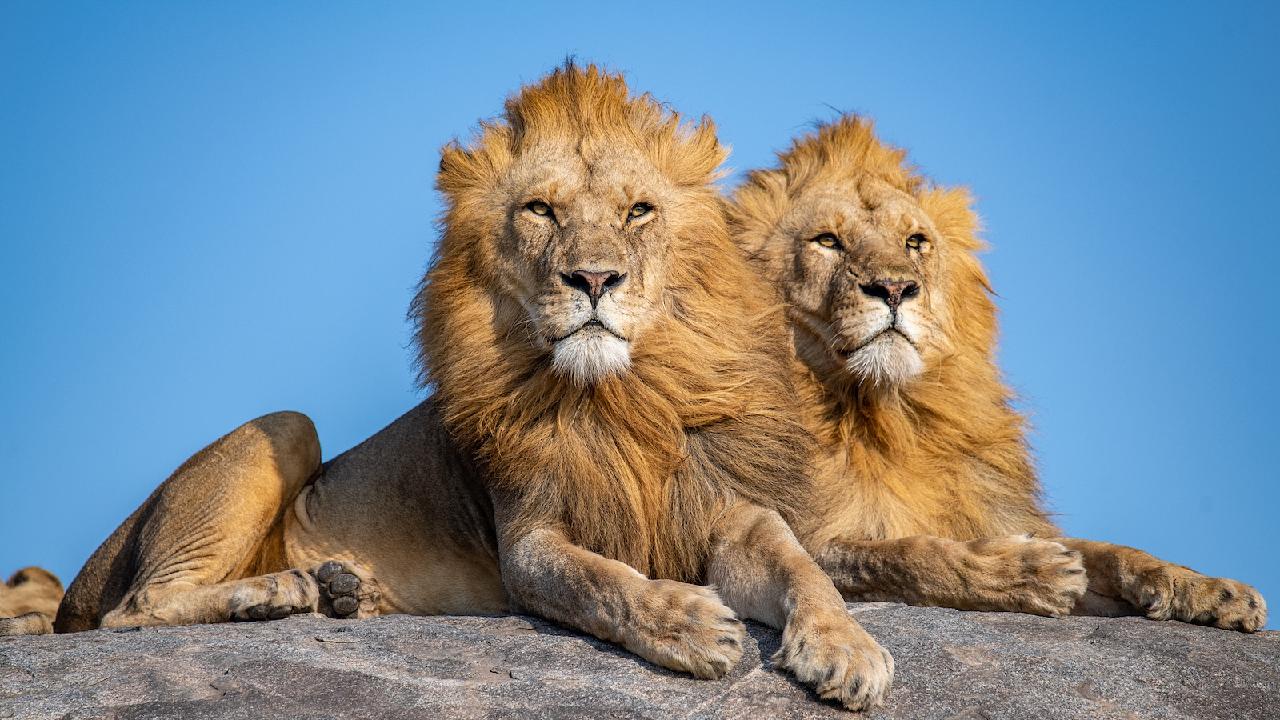
In a testament to unwavering conservation commitment and strategic wildlife management, Tanzania has proudly declared its lion population has surged to an estimated 17,000 individuals, securing its status as the global epicenter for these majestic big cats. This monumental achievement, announced by Hassan Abbasi, Permanent Secretary in the Ministry of Natural Resources and Tourism, during bilateral talks with Uganda's Doreen Katusiime, Permanent Secretary in the Ministry of Tourism, Wildlife and Antiquities, marks a significant victory for biodiversity and a beacon of hope for endangered species worldwide.
The announcement, made on Monday, not only highlights Tanzania's success but also emphasizes the critical role of international cooperation in wildlife protection. The figure of 17,000 lions represents a robust and thriving ecosystem, a direct result of comprehensive anti-poaching initiatives, community engagement programs, and the establishment of vast protected areas. For a species that has faced significant threats across its African range, Tanzania's success story offers invaluable lessons and inspiration.
A Legacy of Conservation: Tanzania's Enduring Commitment
Tanzania's journey to becoming the world's leading lion sanctuary is deeply rooted in its national identity and policy. The country boasts an impressive network of protected areas, covering over 40% of its landmass. Iconic parks like the Serengeti National Park, Ruaha National Park, and the Selous Game Reserve (now Nyerere National Park) provide expansive, undisturbed habitats crucial for large carnivores like lions. These areas are not merely tourist attractions; they are vital ecological corridors and breeding grounds that support a rich tapestry of wildlife.
Historically, Tanzania has understood the intrinsic value of its natural heritage. From the early days of independence, leaders recognized that wildlife was not just an economic asset but a fundamental part of the nation's soul. This understanding translated into robust legal frameworks and the establishment of institutions dedicated to conservation. The increase in lion numbers is a direct reflection of these long-term, sustained efforts, often conducted under challenging circumstances, including battling sophisticated poaching syndicates and addressing human-wildlife conflict.
Furthermore, the Tanzanian government has actively promoted sustainable tourism, where revenue generated from wildlife safaris is reinvested directly into conservation programs and local communities. This symbiotic relationship ensures that local populations benefit from the presence of wildlife, fostering a sense of ownership and partnership in protection efforts. It's a model that many other nations aspire to emulate.
The Science Behind the Surge: Factors Contributing to Growth
The impressive growth in Tanzania's lion population isn't accidental; it's the culmination of scientifically informed strategies and dedicated fieldwork. Several key factors have played a pivotal role:
* Effective Anti-Poaching Measures: Enhanced patrols, intelligence gathering, and stricter penalties have significantly reduced the illegal killing of lions and their prey. The deployment of rangers, often operating in remote and dangerous conditions, is a cornerstone of this success. * Habitat Protection and Expansion: Maintaining large, contiguous protected areas ensures lions have ample space, prey, and minimal disturbance from human encroachment. The integrity of these ecosystems is paramount. * Community Engagement and Coexistence: Programs that educate local communities about the value of wildlife, provide alternative livelihoods, and mitigate human-wildlife conflict (e.g., livestock protection measures) have reduced retaliatory killings of lions. * Prey Abundance: Healthy populations of wildebeest, zebra, buffalo, and other herbivores provide a stable food source, which is critical for lion survival and reproduction. This indicates the overall health of the ecosystem. * Research and Monitoring: Continuous scientific research helps conservationists understand lion dynamics, identify threats, and adapt management strategies. GPS collaring, population surveys, and genetic studies provide crucial data.
This multi-faceted approach demonstrates a holistic understanding of conservation, recognizing that the well-being of lions is inextricably linked to the health of their entire ecosystem and the communities living alongside them.
Implications for Global Conservation and Tourism
Tanzania's achievement carries profound implications, both locally and internationally. For global conservation, it serves as a powerful counter-narrative to the often-grim reports of species decline. It proves that with political will, adequate resources, and community involvement, large carnivore populations can not only stabilize but also flourish. This success story can inspire and inform conservation efforts for other threatened species across Africa and beyond.
From an economic perspective, the thriving lion population further bolsters Tanzania's position as a premier wildlife tourism destination. The allure of witnessing these magnificent predators in their natural habitat draws hundreds of thousands of tourists annually, generating substantial foreign exchange revenue. This revenue is vital for the national economy and, crucially, for funding ongoing conservation initiatives. The sight of a healthy lion pride is not just a memorable experience for tourists; it's a living symbol of Tanzania's commitment to preserving its natural treasures.
Challenges Ahead: Sustaining the Success
While the current news is overwhelmingly positive, the path forward is not without its challenges. Sustaining a large lion population requires continuous vigilance and adaptation. Key challenges include:
* Human-Wildlife Conflict: As lion numbers grow, so does the potential for conflict with communities living near protected areas, particularly concerning livestock predation. Innovative solutions and compensation schemes remain crucial. * Habitat Fragmentation: While Tanzania has vast protected areas, external pressures from agricultural expansion and infrastructure development can lead to habitat fragmentation, isolating lion populations. * Climate Change: Shifting weather patterns can impact prey availability and water sources, indirectly affecting lion health and distribution. * Disease Management: Large, dense populations can be more susceptible to disease outbreaks, necessitating robust veterinary surveillance. * Funding: Sustaining conservation efforts requires consistent and substantial funding, which can be a perpetual challenge.
Despite these hurdles, Tanzania's track record suggests a strong capacity to address them. The country's commitment to adaptive management and community-centric conservation will be key to ensuring that its lions continue to roar across the plains for generations to come.
A Roaring Future: Tanzania's Vision for Wildlife
Tanzania's announcement of 17,000 lions is more than just a statistic; it's a powerful narrative of hope, resilience, and dedicated stewardship. It underscores the nation's role as a global leader in wildlife conservation and sets a benchmark for what can be achieved when conservation is integrated into national development. As the world grapples with unprecedented biodiversity loss, Tanzania stands as a shining example that with concerted effort, even the most iconic and vulnerable species can thrive.
This achievement is a call to action for other nations and a reminder that the future of our planet's wildlife rests on collective responsibility and sustained commitment. Tanzania's lions, numbering 17,000 strong, are not just a national treasure; they are a global heritage, embodying the wild beauty and ecological balance that humanity strives to protect. The roar of a Tanzanian lion is now, more than ever, a sound of triumph and a promise of a wilder, richer world.
Stay Informed
Get the world's most important stories delivered to your inbox.
No spam, unsubscribe anytime.
Comments
No comments yet. Be the first to share your thoughts!