Teotihuacan Tragedy: Unraveling the Motives Behind a Sacred Site Shooting
A day of awe at Mexico's ancient Teotihuacan pyramids turned into a nightmare when a lone gunman opened fire, killing a Canadian tourist and injuring many. Authorities have since revealed the shooter's disturbing admiration for U.S. school shooters and Hitler, painting a chilling picture of radicalized violence. This incident at a UNESCO World Heritage site raises urgent questions about security, mental health, and the global spread of extremist ideologies.
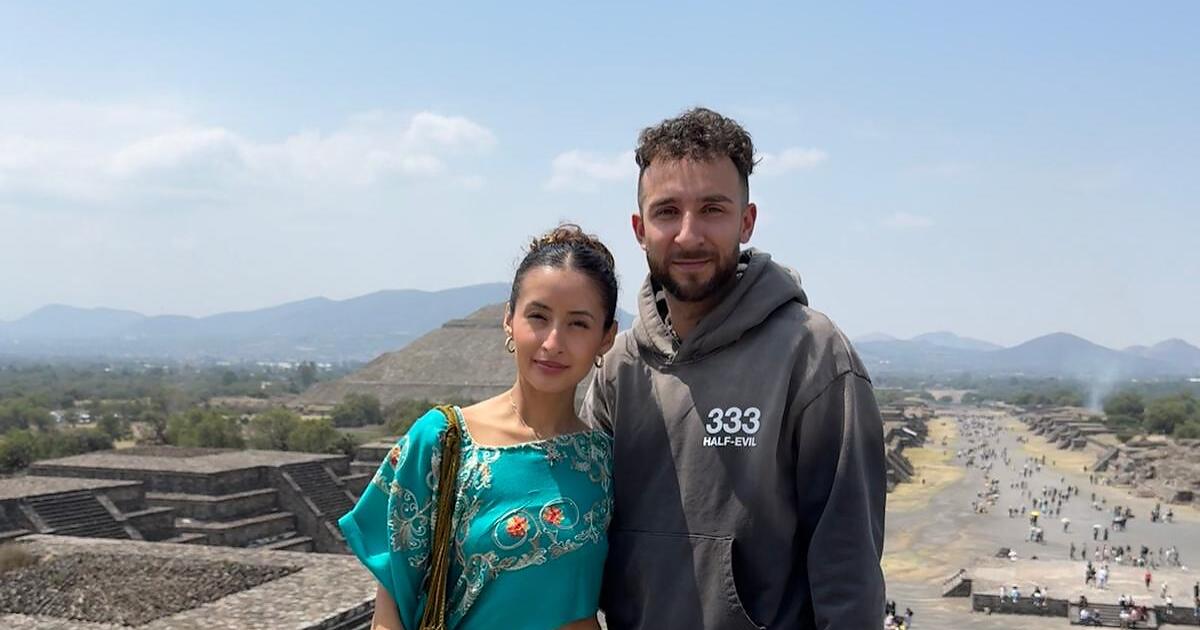
The serene majesty of Teotihuacan, a UNESCO World Heritage site and a testament to ancient Mesoamerican genius, was shattered on a recent Monday by the unthinkable: a mass shooting. What began as a day of exploration and wonder for tourists like Jalen Aybar and Jaslim Landaverde, who had just captured memories atop the Pyramid of the Moon, violently devolved into a scene of terror, gunfire, and bloodshed. A Canadian tourist lost their life, and over a dozen others were wounded, their dreams of historical immersion replaced by the stark reality of modern violence.
This horrific event, which saw a woman tragically fall and others scramble for their lives amidst the ancient stones, has sent shockwaves far beyond Mexico's borders. It forces a grim re-evaluation of safety in even the most revered cultural landmarks and shines a harsh light on the insidious spread of extremist ideologies that can manifest in such devastating acts.
The Day Terror Struck Teotihuacan
Eyewitness accounts paint a vivid, terrifying picture of the chaos that erupted. Jalen Aybar, a tourist from the United States, recounted the sudden crackle of gunfire, the sight of a woman collapsing, and the desperate scramble for cover. "We just started running," he told reporters, his voice still laced with the trauma of the experience. "We didn't know where to go, but we just knew we had to get out of there." This primal instinct to flee was shared by hundreds of visitors, transforming the sacred plaza into a scene of panic and despair. Security personnel, initially caught off guard, quickly moved to contain the situation, but the damage was already done. The initial moments were marked by confusion, with many tourists unsure if the sounds were part of a local celebration or something far more sinister. The realization dawned quickly as screams echoed and bodies fell.
Among the injured were individuals from various nationalities, underscoring the global impact of such an attack on a major international tourist destination. The rapid response of emergency services, while commendable, could not undo the terror inflicted nor bring back the life lost. The incident left behind not just physical wounds, but deep psychological scars on all who witnessed or experienced the horror.
Unmasking the Shooter: A Disturbing Ideology
Authorities swiftly identified and apprehended the alleged gunman, a Mexican national whose motives have since emerged as profoundly disturbing. Investigations revealed a chilling admiration for figures synonymous with hate and mass violence: U.S. school shooters and Adolf Hitler. This revelation points to a deeply radicalized individual, whose worldview was seemingly shaped by online extremist content and a perverse fascination with destructive acts. The specific nature of his admiration for school shooters suggests a desire for notoriety and a targeting of innocent lives, mirroring the tragic patterns seen in other parts of the world. His reverence for Hitler, a symbol of genocidal fascism, further complicates the narrative, hinting at a broader, more sinister ideological framework that transcends simple mental instability.
This case highlights a growing global concern: the ease with which individuals can become radicalized through online channels, absorbing extremist propaganda that fuels hatred and violence. It underscores the urgent need for greater vigilance against the spread of such dangerous ideologies, which often prey on vulnerable individuals and lead them down a path of destruction. The shooter's profile, as it continues to unfold, serves as a stark reminder that the threats of extremism are not confined to specific regions or political movements but can emerge from unexpected corners, driven by a complex interplay of personal grievances, mental health issues, and exposure to radical content.
Teotihuacan: A Site of Ancient Power and Modern Vulnerability
Teotihuacan, meaning "the place where the gods were created," is one of the most significant archaeological sites in the Americas. Flourishing between 100 BCE and 600 CE, it was once the largest city in the pre-Columbian Americas, home to an estimated 125,000 people. Its monumental pyramids, the Pyramid of the Sun and the Pyramid of the Moon, along with the Avenue of the Dead, draw millions of visitors annually, captivated by its mysterious origins and advanced urban planning. The site's spiritual significance and architectural grandeur have made it a symbol of Mexico's rich indigenous heritage and a global treasure.
The attack at such a revered location is particularly poignant. It represents not just an assault on individuals, but an affront to cultural heritage and a violation of a space traditionally associated with peace and contemplation. The incident forces a critical examination of security protocols at major tourist attractions worldwide. While sites like Teotihuacan are designed to be open and accessible, the increasing frequency of mass violence necessitates a delicate balance between preserving visitor experience and implementing robust security measures. This includes:
* Enhanced surveillance: Utilizing CCTV and drone technology to monitor large crowds. * Visible and plainclothes security: A combination of uniformed officers and discreet personnel. * Access control: Implementing bag checks or metal detectors at entry points, though challenging for sprawling open sites. * Emergency response training: Ensuring staff are prepared for active shooter scenarios. * Intelligence sharing: Collaborating with national and international agencies to identify potential threats.
The challenge lies in integrating these measures seamlessly without detracting from the historical and spiritual essence of the site. The incident at Teotihuacan serves as a grim case study for cultural heritage sites globally, prompting a re-evaluation of their vulnerability in an increasingly unpredictable world.
The Broader Implications: Security, Mental Health, and Extremism
The Teotihuacan shooting is more than an isolated incident; it is a symptom of broader societal challenges. The shooter's admiration for school shooters and Hitler points to a dangerous convergence of mental health issues, access to firearms, and the pervasive influence of extremist ideologies. This confluence creates a fertile ground for violence, impacting communities globally.
From a security perspective, the incident underscores the difficulty of protecting soft targets – public spaces with high foot traffic and limited security checkpoints. The open nature of archaeological sites, designed for exploration and freedom of movement, makes them inherently vulnerable. This event will undoubtedly lead to increased security discussions and potentially new protocols for tourist attractions, not just in Mexico but globally. The economic implications for Mexico's vital tourism industry are also significant, as such incidents can deter international visitors, impacting local economies reliant on tourism.
Furthermore, the case reignites debates about mental health support and intervention strategies. While not every individual with extremist views acts violently, and not every violent act stems from mental illness, the intersection of these factors is undeniable in many mass casualty events. Early detection, psychological support, and community engagement are crucial in preventing radicalization and addressing underlying issues that can lead to such destructive behavior.
Moving Forward: Healing and Resilience
The road to recovery for Teotihuacan and its community will be long. Beyond the immediate need for enhanced security, there is a profound need for healing and a reaffirmation of the values that make such sites sacred. The incident serves as a stark reminder that vigilance against hatred and violence is a continuous effort, requiring a multi-faceted approach involving law enforcement, mental health professionals, educators, and community leaders.
Mexico, a nation with a deep history and resilient spirit, will undoubtedly work to restore the sense of peace and wonder that Teotihuacan has always offered. For the victims and their families, the journey will be one of profound grief and recovery. For the global community, the Teotihuacan tragedy stands as a somber call to action: to confront the ideologies of hate, to protect our shared heritage, and to strive for a world where ancient wonders can be admired without fear of modern terror. The echoes of gunfire may fade, but the lessons learned from this tragic day must resonate, guiding efforts to safeguard both people and patrimony for generations to come.
Stay Informed
Get the world's most important stories delivered to your inbox.
No spam, unsubscribe anytime.
Comments
No comments yet. Be the first to share your thoughts!