The AI Dilemma: 'The Expanse: Osiris Reborn' Blurs Lines Between Innovation and Ethics in Gaming
The highly anticipated game 'The Expanse: Osiris Reborn' has garnered significant praise during its closed beta, drawing comparisons to 'Mass Effect' and captivating fans with its rich sci-fi narrative. However, a growing controversy surrounds the studio's use of generative AI tools in its development, sparking a crucial debate about the future of creative industries. This article delves into the game's promising features, the ethical implications of AI in game creation, and what this means for players and developers alike. We explore whether AI-assisted development is a necessary evolution or a dangerous precedent.
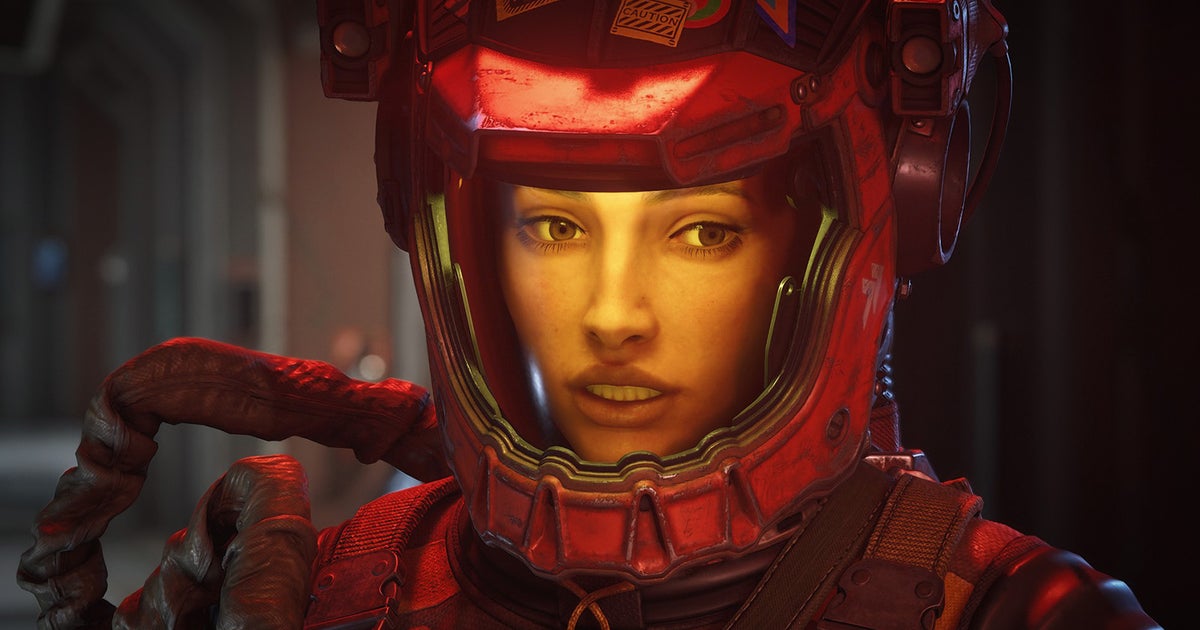
The gaming world is abuzz with anticipation for 'The Expanse: Osiris Reborn,' a title that has already captivated critics and players during its closed beta. Hailed as a potential spiritual successor to the beloved 'Mass Effect' series, this adaptation of a well-known science fiction universe promises a rich narrative, deep character development, and immersive gameplay. Yet, beneath the surface of glowing reviews and eager fan discussions lies a simmering controversy: the studio's open use of generative AI (gen-AI) tools in the game's development. This revelation has ignited a crucial debate, forcing us to confront the complex interplay between technological innovation, artistic integrity, and ethical responsibility in the rapidly evolving landscape of interactive entertainment.
A Promising Horizon: Initial Impressions of Osiris Reborn
From the moment it was announced, 'The Expanse: Osiris Reborn' generated significant excitement. The source material, a critically acclaimed science-fiction saga, already boasts a dedicated fanbase, and early glimpses of the game suggested a faithful yet innovative adaptation. Beta testers have largely confirmed these high expectations, praising its compelling storyline, intricate world-building, and engaging combat mechanics. Many have drawn direct parallels to the golden age of cinematic RPGs, particularly the original 'Mass Effect' trilogy, a comparison that instantly elevates its standing in the eyes of many gamers. The game's narrative depth, character choices, and the sheer scale of its universe appear to be resonating deeply with those fortunate enough to experience the beta.
Players report a seamless integration of exploration, dialogue, and action, creating an experience that feels both expansive and personal. The visual fidelity is reportedly stunning, with detailed environments and character models that bring the iconic 'Expanse' universe to life. Sound design and voice acting also receive high marks, contributing to an overall atmosphere of immersion. The core gameplay loop—exploring new systems, engaging in tactical combat, and making difficult moral choices—seems to be finely tuned, offering both challenge and reward. In short, 'Osiris Reborn' is shaping up to be a significant contender in the sci-fi RPG genre, a title that could potentially redefine expectations for adaptations.
The Elephant in the Room: Generative AI in Game Development
However, the widespread acclaim is shadowed by the studio's transparency regarding its use of gen-AI tools. While the exact extent and nature of this integration remain somewhat vague, the acknowledgment itself has been enough to spark a firestorm. For many, the use of AI in creative processes raises fundamental questions about authorship, originality, and the future of human artistry. Critics argue that AI-generated content, whether it's background textures, incidental dialogue, or even conceptual art, dilutes the human element that traditionally defines artistic endeavors. They fear a future where games become soulless amalgamations of algorithms, lacking the unique vision and passion of human creators.
Proponents, on the other hand, highlight the efficiency and cost-saving potential of AI. In an industry plagued by crunch culture, ballooning budgets, and increasingly complex development cycles, AI tools could offer a lifeline. They argue that AI can automate tedious, repetitive tasks, freeing up human developers to focus on higher-level creative work, innovation, and refinement. Imagine AI generating thousands of unique rock formations or variations of alien flora, allowing environmental artists to concentrate on crafting bespoke hero assets and overall aesthetic direction. This perspective views AI not as a replacement, but as a powerful assistive technology that can augment human capabilities and accelerate production, ultimately leading to more ambitious and polished games.
Ethical Quandaries and Industry Implications
The debate extends beyond mere efficiency to profound ethical considerations. One major concern is the origin of the data used to train these gen-AI models. If AI is trained on vast datasets of existing art, music, and literature without proper attribution or compensation to the original creators, it raises serious questions about intellectual property rights and fair use. This issue is particularly contentious in the art community, where artists fear their work is being exploited to create tools that could ultimately devalue their skills and livelihoods.
Furthermore, there's the question of job displacement. If AI can perform tasks traditionally done by junior artists, writers, or designers, what does that mean for aspiring talent entering the industry? While some argue that new roles will emerge—AI trainers, prompt engineers, ethical AI oversight—the transition could be disruptive and lead to significant shifts in the labor market. The gaming industry, already known for its precarious employment conditions, faces a new layer of uncertainty.
The Player's Perspective: Does it Matter?
Ultimately, for many players, the primary concern is the quality of the final product. If 'The Expanse: Osiris Reborn' delivers a phenomenal experience, will the underlying development methods truly matter? Some argue that the end justifies the means; if AI helps create a better, more immersive game, then its use is acceptable. They might not care whether a background texture was hand-painted or AI-generated, as long as it looks good and contributes to the overall aesthetic.
However, a growing segment of the gaming community is becoming more ethically conscious. Players are increasingly aware of development practices, labor conditions, and the values upheld by studios. For these players, knowing that AI was used might introduce a sense of unease, potentially diminishing their enjoyment or even leading them to boycott games developed with such tools. The transparency of the 'Osiris Reborn' studio, while commendable in some ways, has inadvertently forced this question into the spotlight, making it impossible for players to ignore.
A Glimpse into Gaming's Future
'The Expanse: Osiris Reborn' stands at a fascinating crossroads, a harbinger of the future of game development. It represents a critical test case for how the industry, creators, and consumers will navigate the integration of generative AI. The success or failure of this game, both commercially and in terms of public perception, could set a powerful precedent.
Moving forward, the industry must engage in open dialogue about responsible AI implementation. This includes developing clear guidelines for attribution, ensuring fair compensation for data sources, and exploring hybrid models where AI augments rather than replaces human creativity. For players, it means making informed choices based on their own values and priorities. As technology continues to advance at an unprecedented pace, the debate sparked by 'Osiris Reborn' is not just about one game; it's about defining the very essence of creativity in the digital age and shaping the future of interactive storytelling. The signs for the game itself are overwhelmingly positive, but the nagging question of AI's role will undoubtedly linger, challenging us to consider what we truly value in the art we consume.
Stay Informed
Get the world's most important stories delivered to your inbox.
No spam, unsubscribe anytime.
Comments
No comments yet. Be the first to share your thoughts!