The Digital Divide: What Teens Really Think About Delayed Social Media Access
In an era where digital natives are immersed in social media from a young age, some parents choose to delay access. This article explores the nuanced perspectives of teenagers who experienced a later introduction to platforms like Instagram and TikTok. We delve into the psychological, social, and developmental impacts, offering insights for parents navigating this complex decision.
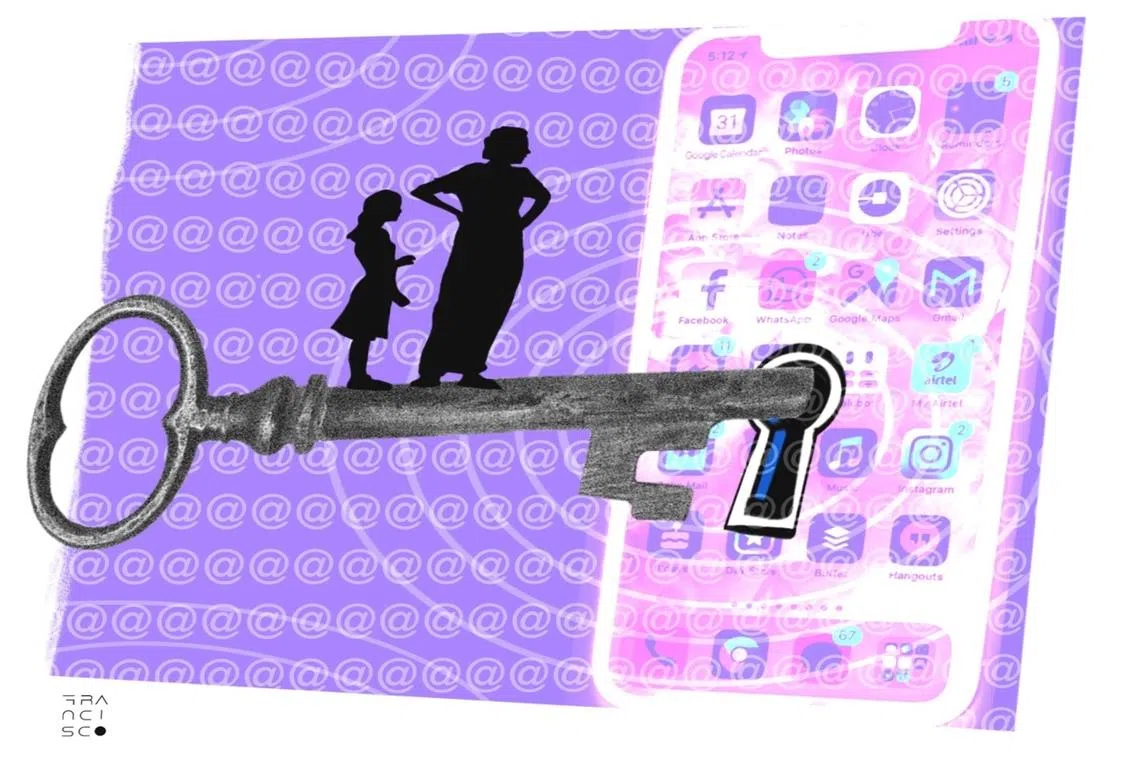
In a world where the average child receives their first smartphone around age 10, and social media engagement often follows swiftly, the decision to delay a child's access to these platforms is increasingly counter-cultural. For many parents, the digital landscape presents a minefield of potential risks, from cyberbullying and mental health challenges to privacy concerns and the relentless pressure of curated online lives. But what do the children themselves think about this delayed entry into the digital social sphere? Do they feel protected, or do they perceive themselves as missing out? This question lies at the heart of a growing debate, as families grapple with the complex realities of raising 'digital natives' in an ever-connected world.
The Parental Dilemma: Protection vs. Peer Pressure
The initial decision to withhold social media access often stems from a place of deep parental concern. Parents, like the one featured in the original source, frequently cite well-documented risks: the correlation between excessive social media use and anxiety, depression, body image issues, and sleep disturbances in adolescents. Studies by organizations like the American Psychological Association and the Royal Society for Public Health have consistently highlighted these dangers, prompting calls for greater regulation and parental vigilance. The fear of exposing vulnerable young minds to the unfiltered, often harsh realities of online interactions drives many to adopt a 'better safe than sorry' approach.
However, this protective stance often places children in a unique, and sometimes isolating, position among their peers. In an environment where group chats, shared memes, and trending challenges are the lingua franca of adolescent social life, being offline can mean being out of the loop. This can lead to feelings of exclusion, a sense of being different, or even a perceived social handicap. The fear of missing out (FOMO) is not just a catchy acronym; it's a genuine psychological phenomenon that can impact self-esteem and social integration during critical developmental stages. Parents must weigh the tangible benefits of protection against the intangible costs of social alienation, a balance that is rarely easy to strike.
Teenage Reflections: A Unique Perspective
For teenagers who have experienced delayed social media access, their reflections offer invaluable insights. Many, upon reaching the age where they are finally permitted to join platforms, express a surprising maturity and understanding of their parents' rationale. They often acknowledge the initial frustration and the feeling of being an outsider. "It was tough at first," recounts Sarah, 18, who only got Instagram at 16. "All my friends were sharing stories, making plans, and I'd hear about it later, or not at all. I felt like I was living in a different world." Yet, this initial resentment often gives way to a more nuanced perspective as they mature.
"Looking back, I think it actually helped me," says David, 17, who gained access to TikTok at 15. "I focused more on school and real-life friendships. I wasn't constantly comparing myself to others online." This sentiment is echoed by many who, having observed their peers' struggles with online pressures, appreciate the delayed exposure. They report feeling better equipped to navigate the complexities of digital interactions, having developed a stronger sense of self and more robust offline coping mechanisms. This suggests that while early exclusion can be challenging, it may also foster resilience and a more critical approach to online content.
The Developmental Window: When is 'Ready'?
The question of when a child is truly ready for social media is paramount. Experts often point to the developing adolescent brain, particularly the prefrontal cortex, which is responsible for executive functions like judgment, impulse control, and understanding long-term consequences. This area of the brain continues to mature well into the mid-20s. Introducing social media before these cognitive functions are sufficiently developed can leave young people vulnerable to online risks, from predatory behavior to the psychological impact of constant validation-seeking.
Developmental psychologists suggest that while there's no magic age, a child's emotional maturity, critical thinking skills, and ability to understand digital citizenship are more important indicators than chronological age. "It's not just about giving them a phone; it's about equipping them with the tools to use it responsibly," explains Dr. Emily Chen, a child psychologist specializing in digital wellness. "Can they identify misinformation? Do they understand privacy settings? Can they disengage when needed? These are the questions parents should be asking." The transition should ideally involve open dialogue, clear boundaries, and ongoing parental guidance, rather than a simple handover of a device.
Navigating the Future: A Balanced Approach
As technology continues to evolve at a dizzying pace, the debate around children and social media is far from settled. The experiences of teenagers with delayed access offer a compelling argument for a more thoughtful, intentional approach to digital integration. It's not about outright prohibition, but rather about fostering a healthy digital diet.
Parents can adopt strategies such as: * Gradual Introduction: Starting with limited platforms, specific times, or supervised use. * Open Communication: Regularly discussing online experiences, challenges, and positive aspects. * Digital Literacy Education: Teaching critical evaluation of content, privacy settings, and online etiquette. * Modeling Healthy Habits: Parents demonstrating responsible technology use themselves. * Prioritizing Offline Activities: Encouraging hobbies, sports, and face-to-face interactions.
Ultimately, the goal is to empower children to become discerning and resilient digital citizens, capable of harnessing the benefits of connectivity while mitigating its inherent risks. The stories of those who entered the social media world later suggest that while the path may be less conventional, it can lead to a more grounded and self-aware engagement with the digital realm. As we move forward, the emphasis must shift from simply restricting access to actively preparing the next generation for a life inextricably linked to technology, ensuring they are not just users, but conscious and critical participants.
Stay Informed
Get the world's most important stories delivered to your inbox.
No spam, unsubscribe anytime.
Comments
No comments yet. Be the first to share your thoughts!