The Quiet Erosion: How a Weaker Dollar is Stealthily Raising Costs for Americans
Since early 2025, the U.S. dollar has quietly depreciated by approximately 10%, a shift with profound and often unseen consequences for American households and businesses. This weakening currency is making everything from imported groceries to international travel more expensive, eroding purchasing power. While large multinational corporations with overseas operations might find a silver lining, smaller domestic businesses and everyday consumers are increasingly feeling the pinch, navigating a new economic landscape where their money simply doesn't stretch as far.
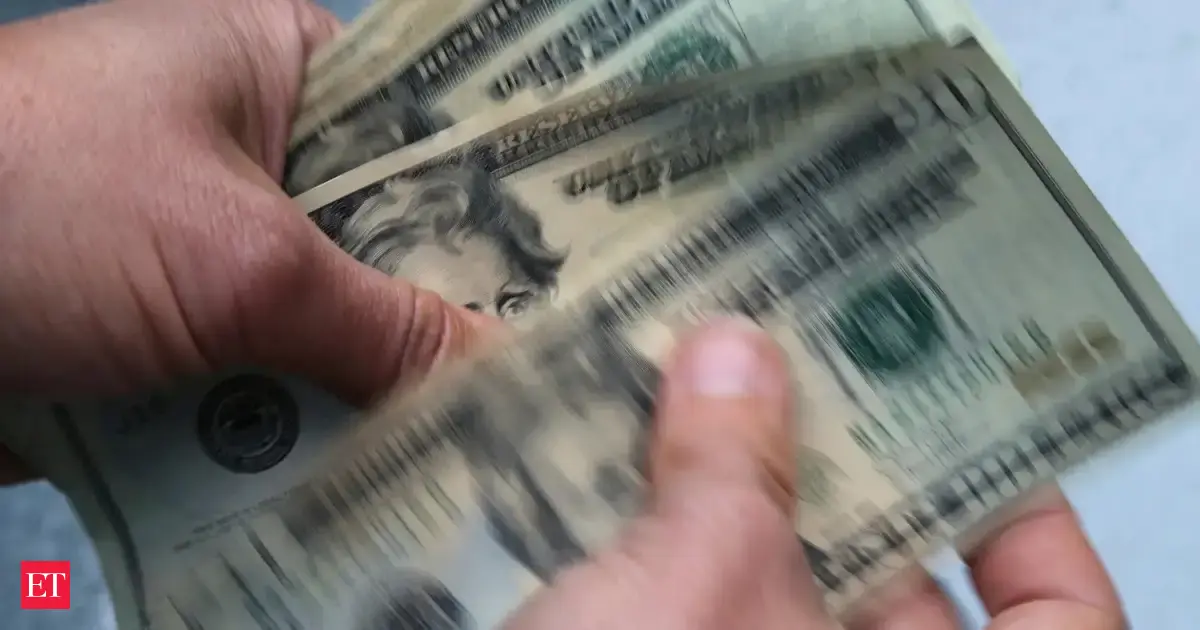
The American dream, for many, has always included the promise of economic stability and purchasing power. Yet, an insidious shift in the global financial landscape is quietly eroding that foundation, making everyday life incrementally more expensive for millions. Since early 2025, the U.S. dollar has experienced a significant depreciation, dropping by roughly 10% against major currencies. This isn't a headline-grabbing crash, but rather a gradual, persistent decline that is now manifesting in tangible ways, from the price of your morning coffee to the cost of your next vacation. PulseWorld delves into the multifaceted implications of this weaker dollar, dissecting who benefits, who suffers, and what it means for the future of the American economy.
The Silent Tax: Rising Costs for Consumers
For the average American consumer, a weaker dollar acts like a silent tax, stealthily diminishing their purchasing power. The most immediate and noticeable impact is on imported goods. Think about the electronics manufactured in Asia, the European luxury cars, or even the fresh produce flown in from South America during off-seasons. When the dollar is weaker, it takes more dollars to buy the same amount of foreign currency needed to purchase these goods. Importers, faced with higher costs, inevitably pass these increases on to consumers. This inflationary pressure isn't limited to high-end items; it extends to everyday necessities. Groceries, especially those with components sourced internationally, see price hikes. Fuel, often priced in dollars globally, can become more expensive if the dollar's weakness is not offset by other market dynamics, impacting transportation costs for all goods.
International travel, once a more accessible luxury, is also becoming significantly pricier. A trip to Europe, for instance, now requires more dollars to exchange for euros, making everything from hotel stays to restaurant meals and souvenirs more expensive. This discourages international tourism for Americans, potentially leading to a greater focus on domestic travel, but still impacting those with global aspirations or family abroad. Education abroad, too, becomes a more formidable financial undertaking for American students.
A Double-Edged Sword for Businesses
The impact of a depreciating dollar on businesses is a tale of two economies. For large multinational corporations with significant overseas operations, a weaker dollar can be a boon. When these companies repatriate their foreign earnings, those earnings translate into more dollars, boosting their reported profits. For example, a tech giant selling software in Europe will see its euro-denominated revenue convert into a higher dollar amount, making their financial statements look stronger. This can lead to increased shareholder value and potentially more investment in their international divisions.
However, the picture is starkly different for smaller, domestically focused businesses that rely heavily on imported components or finished goods. A small boutique importing fashion from Italy, a local electronics repair shop sourcing parts from China, or a restaurant buying specialty ingredients from overseas will face significantly higher input costs. These businesses often operate on tighter margins and have less leverage to absorb price increases. They are then forced to either raise their prices, potentially losing customers to cheaper domestic alternatives, or absorb the costs, which can severely impact their profitability and even lead to closures. This disparity highlights a growing divide, where globalized giants thrive while local enterprises struggle to adapt.
Historical Context and Economic Mechanics
Understanding the current dollar depreciation requires a look at its historical context and the underlying economic mechanics. The U.S. dollar's value is influenced by a complex interplay of factors: interest rates, inflation, economic growth, geopolitical stability, and market sentiment. A 10% drop since early 2025 suggests a significant shift in one or more of these variables. Historically, periods of dollar weakness have often been associated with expansionary monetary policies, lower interest rates relative to other major economies, or a perception of reduced economic competitiveness. For instance, if the Federal Reserve were to maintain lower interest rates compared to the European Central Bank or the Bank of Japan, it would make dollar-denominated assets less attractive, leading investors to seek higher yields elsewhere and reducing demand for the dollar.
Furthermore, a weakening dollar can be a deliberate policy tool to boost exports. When U.S. goods and services become cheaper for foreign buyers, it can stimulate demand, benefiting American manufacturers and service providers. This is a classic economic trade-off: domestic consumers pay more for imports, but exporters gain a competitive edge. However, the current scenario suggests that the benefits to exporters might not be fully offsetting the pain felt by importers and consumers, or the depreciation is happening for reasons beyond a strategic export push.
The Crypto Connection: A Hedge or a Hazard?
In an era of currency volatility, the conversation inevitably turns to alternative assets, particularly cryptocurrencies. While the source material does not explicitly detail the crypto connection, it's crucial to consider how a weakening fiat currency like the dollar might influence the perception and adoption of digital assets. For some, Bitcoin and other cryptocurrencies are seen as a hedge against inflation and currency debasement. If the dollar's purchasing power is eroding, holding assets that are perceived as scarce and independent of central bank policy could become more appealing. This narrative gained significant traction during periods of high inflation and economic uncertainty.
However, the relationship is complex. Cryptocurrencies themselves are highly volatile, and their value is not solely tied to the dollar's strength. While a weaker dollar might push some investors towards crypto, it also introduces another layer of risk. The regulatory landscape, market sentiment, and technological developments within the crypto space play equally significant roles. For now, crypto remains a speculative asset for many, rather than a universally accepted safe haven from dollar depreciation, though its role in the global financial system continues to evolve rapidly. The rise of stablecoins, pegged to the dollar, also complicates this narrative, as their stability is directly linked to the very currency experiencing fluctuations.
Looking Ahead: Navigating the New Economic Reality
The persistent weakening of the U.S. dollar presents a complex challenge for policymakers, businesses, and individuals. For the Federal Reserve, it means carefully balancing inflationary pressures from imports with the potential boost to exports and economic growth. For businesses, it necessitates a re-evaluation of supply chains, potentially encouraging a shift towards more domestic sourcing or exploring hedging strategies to mitigate currency risk. Consumers, meanwhile, must adapt to a new reality where their discretionary spending power is diminished, and essential goods cost more.
This trend underscores the interconnectedness of the global economy. A seemingly abstract shift in currency values has profound, tangible effects on daily life. As the dollar continues its quiet descent, Americans will need to be more financially savvy, making informed decisions about their spending, saving, and investment strategies. The era of the unchallenged strong dollar may be receding, ushering in a period where vigilance and adaptability become paramount for economic resilience. The question remains: will this quiet erosion accelerate, or will corrective forces emerge to stabilize the dollar's value, and what further ripple effects will we see in the global financial system, particularly within the nascent yet influential crypto markets?
Stay Informed
Get the world's most important stories delivered to your inbox.
No spam, unsubscribe anytime.
Comments
No comments yet. Be the first to share your thoughts!