Toronto's Rail Revolution: GO 2.0 and the Ambitious Alto Plan Reshape Urban Transit
Toronto is on the cusp of a major transformation in its public transit landscape, driven by the ambitious GO 2.0 and Alto projects. These initiatives, backed by significant federal, provincial, and municipal funding, aim to introduce a new east-west GO Transit line through Midtown and fundamentally rethink the use of existing rail corridors. This article delves into the complexities, opportunities, and challenges of these multi-billion dollar infrastructure upgrades, promising to redefine urban mobility and economic development across the Greater Toronto Area.
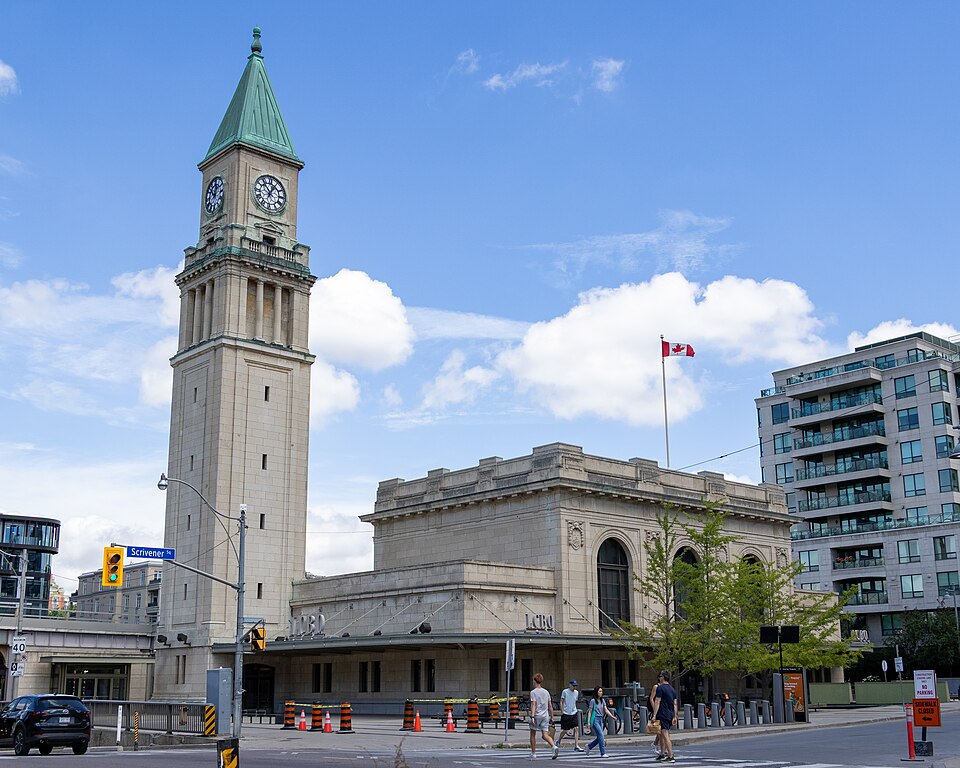
Toronto, a city perpetually grappling with the twin challenges of rapid growth and persistent congestion, is on the precipice of a monumental shift in its public transit infrastructure. A landmark joint announcement on March 30, involving federal, provincial, and municipal governments, made headlines for its commitment to the long-delayed Waterfront East LRT. However, nestled within this broader package of infrastructure advancements was a far-reaching proposal that promises to fundamentally reshape the city's future: a new east-west GO Transit line through central Toronto, an integral component of the ambitious GO 2.0 and Alto rail expansion plans. This isn't merely an incremental upgrade; it's a strategic reimagining of how Toronto moves, works, and grows, with implications that stretch far beyond the tracks themselves.
The vision is bold: to convert existing freight-dominated rail corridors into high-frequency, multi-modal transit arteries, unlocking new development opportunities and drastically cutting commute times. For decades, Toronto's rail network has been a patchwork of commuter lines primarily serving north-south routes, often terminating at Union Station. The Midtown Toronto Corridor, a key focus of the Alto plan, seeks to introduce a vital east-west link, providing a much-needed alternative to the perpetually gridlocked Gardiner Expressway and Don Valley Parkway. This initiative represents a profound commitment to sustainable urban development, aiming to alleviate traffic, reduce emissions, and foster more connected, livable communities.
The Genesis of a Grand Vision: From Freight to Future Transit
The idea of repurposing Toronto's extensive rail corridors for enhanced passenger service is not new. For years, urban planners and transit advocates have eyed the underutilized tracks that crisscross the city, imagining a future where they serve as the backbone of a truly integrated regional transit system. The Alto plan, in particular, is a comprehensive framework that goes beyond simply adding new lines. It envisions a holistic transformation, addressing freight traffic management, land use optimization, and the integration of various transit modes.
Historically, these corridors have been dominated by freight operations, creating a complex web of ownership and operational agreements. The challenge lies in untangling this legacy and negotiating the necessary access and infrastructure upgrades to accommodate frequent passenger service without disrupting the vital movement of goods. The March 30 announcement signals a crucial turning point, indicating a collaborative political will to overcome these historical hurdles. The funding commitment, while substantial, is just the beginning of a multi-decade project that will require sustained investment and intricate coordination between multiple levels of government, private railway companies, and various stakeholders.
The GO 2.0 initiative, spearheaded by Metrolinx, the provincial agency responsible for regional transit, is the operational arm of this vision. It aims to deliver two-way, all-day service on core GO Transit lines, transforming a traditional commuter rail system into a rapid transit network. The Midtown Corridor is a critical piece of this puzzle, promising to connect key employment hubs and residential areas across the city's mid-section, reducing reliance on the downtown core for transfers and opening up new transit-oriented development opportunities.
Unpacking the Midtown Corridor: Routes, Ridership, and Real Estate
The proposed Midtown Toronto Corridor is arguably the most transformative element of the Alto plan. While specific alignments are still subject to detailed engineering and environmental assessments, the general concept involves utilizing existing Canadian National (CN) and Canadian Pacific (CP) rail lines that run roughly parallel to major arterial roads like Eglinton Avenue and St. Clair Avenue. This strategic placement offers the potential to serve densely populated areas and connect with existing and planned transit lines, including the Eglinton Crosstown LRT and potentially the Ontario Line.
One of the primary debates surrounding the Midtown Corridor revolves around the extent of new track construction versus the optimization of existing lines. The source material highlights that "How much new track on the section through Midtown Toronto, though, would depend upon the approach taken to freight traffic in a better use of rail corridor land." This underscores a fundamental tension: balancing the needs of high-frequency passenger rail with the continued necessity of freight movement. Solutions could range from adding dedicated passenger tracks alongside freight lines to more innovative approaches like grade separations or even the relocation of some freight operations.
* Potential Benefits: * Significantly reduced travel times for east-west commuters. * Relief for congested subway lines (Line 1 and Line 2) and major roadways. * Catalyst for transit-oriented development (TOD) around new stations. * Enhanced regional connectivity, linking outer suburbs more directly to midtown employment centers. * Environmental benefits through reduced car dependency and emissions.
* Challenges and Considerations: * Cost: Multi-billion dollar investment requiring sustained funding. * Complexity: Navigating existing freight operations, land acquisition, and environmental approvals. * Disruption: Construction will inevitably cause temporary disruptions to communities and existing services. * Integration: Ensuring seamless transfers with other transit modes (subway, LRT, buses). * Community Impact: Addressing concerns from residents along the proposed corridors regarding noise, vibration, and property impacts.
The real estate implications are profound. Areas around proposed stations could see a surge in demand for residential and commercial properties, leading to intensified development. This presents both an opportunity for urban renewal and a challenge for maintaining affordability and community character.
Funding the Future: A Multi-Governmental Endeavor
The sheer scale of the GO 2.0 and Alto projects necessitates a multi-billion dollar investment, far beyond the capacity of any single level of government. The March 30 announcement underscored a critical aspect of major infrastructure development in Canada: the necessity of tri-governmental partnership. The federal government, through programs like the Canada Infrastructure Bank, the provincial government (Metrolinx/Ministry of Transportation), and the municipal government (City of Toronto) are all essential contributors.
This collaborative funding model spreads the financial burden and ensures a broader political commitment to the project's success. However, it also introduces layers of bureaucracy and potential for delays if political priorities shift. The long-delayed Waterfront East LRT, also part of the recent funding announcement, serves as a stark reminder of the challenges inherent in such large-scale, multi-jurisdictional projects.
Financing mechanisms could include a combination of direct government grants, low-interest loans, and potentially innovative funding models like value capture, where a portion of the increased property value generated by the transit improvements is reinvested into the project. The economic benefits, including job creation during construction and enhanced productivity from reduced congestion, are often cited as justifications for these massive public expenditures.
Looking Ahead: A Transformed Toronto
The successful implementation of GO 2.0 and the Alto plan, particularly the Midtown Corridor, promises to fundamentally alter Toronto's urban fabric. Imagine a future where commuting from the eastern or western suburbs to midtown employment hubs like Yonge & Eglinton or the Discovery District is as seamless and efficient as taking the subway downtown. This vision extends beyond mere convenience; it's about fostering economic growth, promoting social equity by improving access to jobs and education, and building a more sustainable and resilient city.
However, the journey will be long and arduous. From detailed engineering studies and environmental assessments to complex land acquisitions and community consultations, each step will present its own set of challenges. The political will demonstrated in the recent funding announcement will need to be sustained over decades. Public engagement will be crucial to ensure that the final design reflects the needs and aspirations of the diverse communities it aims to serve.
Ultimately, Toronto's rail revolution is more than just new tracks and trains; it's an investment in the city's future. It's about building a transit system that can keep pace with its burgeoning population, support its economic dynamism, and enhance the quality of life for all its residents. The GO 2.0 and Alto plans represent a bold statement of intent, a commitment to transforming Toronto into a truly world-class city, connected and thriving on the strength of its integrated transit network.
Stay Informed
Get the world's most important stories delivered to your inbox.
No spam, unsubscribe anytime.
Comments
No comments yet. Be the first to share your thoughts!