Tragedy on Jalan Ampang: A Couple's Fatal Morning Ride and Malaysia's Road Safety Crisis
A serene morning on Jalan Ampang turned into a horrific scene as a 61-year-old motorcyclist and his 56-year-old wife lost their lives in a collision with a car. The incident, attributed to a 24-year-old driver losing control, highlights the urgent need for enhanced road safety measures in Kuala Lumpur. This tragedy underscores the devastating human cost of traffic accidents and calls for a deeper look into driver accountability and infrastructure improvements.
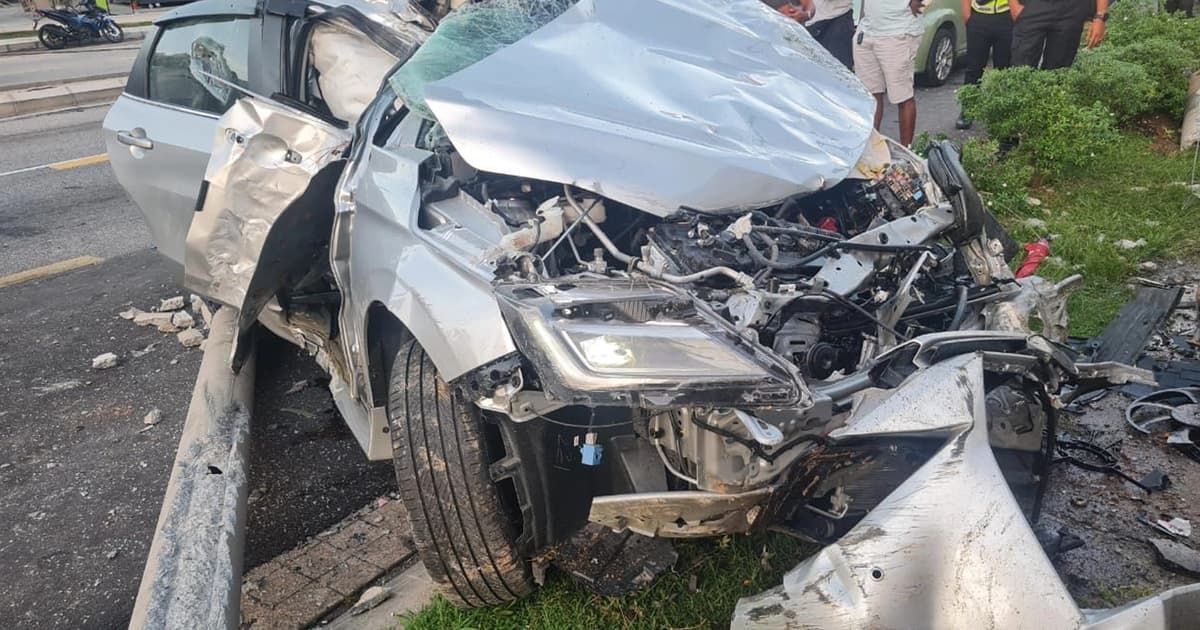
The pre-dawn quiet of Kuala Lumpur's Jalan Ampang was shattered on a recent morning by a devastating collision that claimed the lives of a beloved couple. At approximately 5:34 AM, a Toyota Vios veered into a Honda Wave Alpha motorcycle, instantly killing the 61-year-old male rider and his 56-year-old wife. Both victims suffered severe head injuries and were pronounced dead at the scene, leaving behind a community in shock and grief. This tragic incident, initially investigated by Kuala Lumpur traffic investigation and enforcement chief Zamzuri Isa, points to a familiar and alarming pattern: driver negligence and its catastrophic consequences on Malaysian roads.
Initial findings suggest the 24-year-old driver of the Toyota Vios likely lost control of his vehicle. While investigations are ongoing under Section 41(1) of the Road Transport Act 1987 for causing death by reckless or dangerous driving, the immediate aftermath has reignited urgent conversations about road safety, enforcement, and the preventable nature of many traffic fatalities. The incident serves as a stark reminder of the fragility of life and the profound impact of road accidents on families and society at large. It forces us to confront not just the statistics, but the personal stories of those whose lives are irrevocably altered by such tragedies.
The Human Cost: Beyond the Statistics
The loss of a couple, particularly in such a sudden and violent manner, reverberates far beyond the immediate family. Friends, neighbors, and colleagues are left grappling with the void. While their identities have not been publicly released, their story is a common one in Malaysia, a nation that consistently grapples with a high rate of road fatalities. Each year, thousands of lives are cut short, and countless others are permanently injured, leading to immense emotional, social, and economic burdens. The victims of this Jalan Ampang crash represent more than just numbers; they were individuals with lives, dreams, and connections, now tragically severed. Their morning ride, perhaps a routine commute or an early start to a weekend, became their last.
Motorcyclists, in particular, remain one of the most vulnerable groups on Malaysian roads. Despite comprising a significant portion of daily commuters, they are disproportionately represented in accident statistics. The lack of physical protection compared to enclosed vehicles means that even minor collisions can result in severe injuries or fatalities. This vulnerability is exacerbated by factors such as speeding, distracted driving by other motorists, and sometimes, inadequate road infrastructure that fails to account for the specific needs of two-wheeled vehicles. The Jalan Ampang incident is a grim illustration of this persistent danger, highlighting the urgent need for targeted interventions to protect motorcyclists.
Malaysia's Road Safety Conundrum: A Deeper Dive
Malaysia has long faced a significant challenge in road safety. According to reports from the Malaysian Institute of Road Safety Research (MIROS) and the Royal Malaysia Police (PDRM), the country records one of the highest road fatality rates in Southeast Asia. For instance, pre-pandemic data often showed over 6,000 fatalities annually, a number that, while fluctuating, consistently places Malaysia among the nations with concerning road safety records. While there was a temporary dip during the movement control orders (MCOs) due to reduced traffic, the numbers have shown signs of rebounding as economic activities resume.
Several factors contribute to this persistent problem. Driver behavior is often cited as a primary culprit, encompassing issues like speeding, reckless driving, driving under the influence of alcohol or drugs, and the prevalent use of mobile phones while driving. The case of the 24-year-old driver losing control on Jalan Ampang fits this narrative, suggesting a lapse in judgment or skill that had fatal consequences. Beyond individual behavior, systemic issues also play a role. These include the condition of roads, which can sometimes be poorly maintained or inadequately lit, especially in rural areas. Furthermore, the effectiveness and consistency of law enforcement are critical. While campaigns and stricter penalties are introduced, their long-term impact depends on sustained vigilance and public cooperation.
Expert Analysis and Potential Solutions
Road safety experts consistently advocate for a multi-pronged approach, often referred to as the “Safe System” approach. This framework recognizes that human error is inevitable and aims to design a road system that minimizes the likelihood of crashes and, when crashes do occur, mitigates their severity. Key pillars of the Safe System include:
* Safer Roads: This involves better road design, clear signage, adequate lighting, and physical separation of different road users, such as dedicated motorcycle lanes where feasible. The design of junctions and pedestrian crossings also plays a crucial role. * Safer Speeds: Implementing and enforcing appropriate speed limits, especially in urban and residential areas, is paramount. Technologies like speed cameras and intelligent speed adaptation in vehicles can also contribute. * Safer Vehicles: Encouraging the adoption of vehicles with advanced safety features, such as Anti-lock Braking Systems (ABS), Electronic Stability Control (ESC), and autonomous emergency braking, can significantly reduce accident severity. * Safer Road Users: This is where public education, stringent driver training, and consistent enforcement of traffic laws come into play. Campaigns against distracted driving, drink driving, and promoting helmet use are vital. * Post-Crash Care: Improving emergency response times and trauma care facilities can significantly reduce fatalities and long-term injuries after an accident has occurred.
In the context of the Jalan Ampang tragedy, the focus on driver behavior is paramount. The incident underscores the need for more rigorous driver training, particularly for young drivers, and continuous public awareness campaigns on the dangers of reckless driving. Furthermore, the role of technology, such as dashcams, in providing evidence for investigations is becoming increasingly important, aiding law enforcement in understanding the precise circumstances of crashes.
Moving Forward: A Call for Collective Responsibility
The tragic loss of life on Jalan Ampang is a somber reminder that road safety is a collective responsibility. It is not solely the purview of law enforcement or government agencies; every road user has a role to play. From adhering to speed limits and avoiding distractions to being mindful of vulnerable road users like motorcyclists and pedestrians, individual choices have far-reaching consequences. For policymakers, the challenge lies in translating ambitious road safety targets into tangible actions and measurable improvements.
Moving forward, there must be a renewed commitment to comprehensive road safety strategies. This includes investing in infrastructure improvements, leveraging data analytics to identify high-risk areas, and fostering a culture of responsible driving through education and stricter, more consistent enforcement. The memory of the couple lost on Jalan Ampang should serve as a powerful impetus for change, urging all stakeholders to work collaboratively towards a future where such preventable tragedies become a rarity rather than a recurring headline. Only through sustained effort and a shared vision can Malaysia hope to significantly reduce its road fatality toll and ensure that its roads are safe for everyone. The journey to safer roads is long, but each step taken in remembrance of those lost, and in protection of those still traveling, brings us closer to that vital goal.
Stay Informed
Get the world's most important stories delivered to your inbox.
No spam, unsubscribe anytime.
Comments
No comments yet. Be the first to share your thoughts!