Tragedy on the N1: South Africa Bus Crash Claims Zimbabwean Lives, Exposing Regional Road Safety Crisis
A devastating bus crash on South Africa's N1 highway near Makhado has claimed multiple Zimbabwean lives, reigniting urgent concerns over regional road safety and cross-border transportation. The incident highlights systemic issues including vehicle maintenance, driver fatigue, and regulatory enforcement, with profound implications for migrant workers and economic ties between Southern African nations. As investigations unfold, the tragedy serves as a stark reminder of the human cost of inadequate infrastructure and oversight.
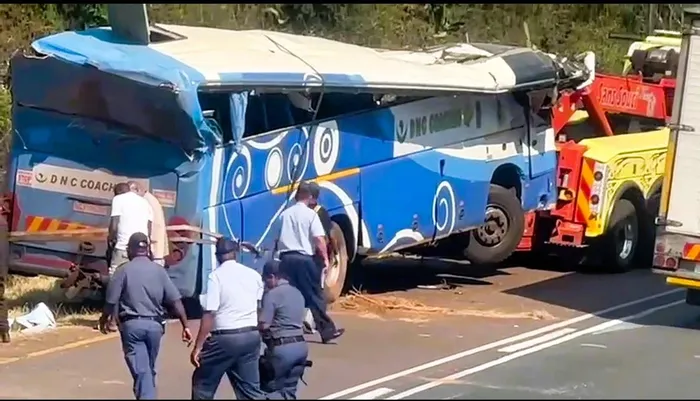
The silence that descended upon the N1 highway near Makhado, Limpopo Province, on Wednesday morning was deafening, broken only by the wail of sirens and the grim pronouncements of emergency responders. What began as a routine cross-border journey for many Zimbabwean nationals seeking opportunity in South Africa ended in unspeakable tragedy, as their bus veered off the road and plunged into a ditch. The immediate aftermath painted a horrific picture: multiple fatalities, scores injured, and a community plunged into mourning. This incident is not merely an isolated accident; it is a stark, bloody testament to a persistent and often overlooked crisis in Southern Africa: the perilous state of regional road safety, particularly for those who traverse these routes out of necessity rather than leisure.
A Route Paved with Peril: The N1 Highway's Deadly Reputation
The N1 highway, a vital artery connecting South Africa to its northern neighbors, is notorious for its high accident rate. Stretching from Cape Town to Beitbridge, the busiest land border post in Africa, this road is a lifeline for trade, tourism, and, crucially, for millions of migrant workers. However, its strategic importance is overshadowed by its dangers. Long stretches of road, often poorly maintained, combined with heavy traffic – including a disproportionate number of commercial vehicles and cross-border buses – create a volatile environment. Factors contributing to the N1's deadly reputation include driver fatigue, especially among long-haul bus operators, overloading of vehicles, poor vehicle maintenance, and reckless driving. The specific section near Makhado, with its undulating terrain and sharp curves, has been the site of numerous fatal crashes over the years, earning it the grim moniker of a 'death trap' among frequent travelers. This latest tragedy serves as a brutal reminder that despite repeated calls for intervention, the N1 continues to claim lives with alarming regularity.
The Human Cost: Migrant Workers and Cross-Border Travel
The victims of this crash were predominantly Zimbabwean nationals, a demographic that frequently relies on cross-border bus services for travel between their home country and South Africa. For many, these journeys are not optional; they are a fundamental part of their economic survival, connecting them to employment opportunities and remittances that sustain families back home. The informal and often unregulated nature of some cross-border transport operations exacerbates the risks. Passengers, often with limited financial resources, opt for the cheapest available transport, which may not always adhere to stringent safety standards. This creates a vicious cycle where economic vulnerability forces individuals into potentially unsafe travel conditions. The emotional and financial toll on the affected families is immense, extending far beyond the immediate grief. Many families lose their primary breadwinners, plunging them deeper into poverty and creating a ripple effect of hardship across communities. The incident also highlights the critical role of these bus services in regional migration patterns and the urgent need for their regulation and oversight to protect vulnerable travelers.
Systemic Failures: Regulation, Enforcement, and Infrastructure
The recurring nature of such tragedies points to deeper systemic issues beyond individual driver error. A comprehensive analysis reveals several critical areas of failure:
* Inadequate Regulatory Frameworks: While both South Africa and Zimbabwe have road safety regulations, their harmonization and consistent enforcement across borders remain a significant challenge. Loopholes in licensing, vehicle inspection, and driver hour regulations can be exploited. * Lax Enforcement: Even where regulations exist, their enforcement is often inconsistent. Corruption, insufficient policing resources, and a lack of political will can lead to a culture of impunity where unsafe practices persist. * Vehicle Roadworthiness: Many cross-border buses are older vehicles, sometimes poorly maintained, and may not meet modern safety standards. Regular, rigorous inspections are essential but often lacking. * Driver Training and Fatigue Management: The demanding schedules of long-haul bus drivers often lead to severe fatigue, a major contributing factor to accidents. Regulations on driving hours and mandatory rest periods need stricter enforcement. * Infrastructure Deficiencies: While the N1 is a national road, sections still suffer from poor lighting, inadequate signage, and insufficient emergency pull-offs. Investment in upgrading and maintaining critical infrastructure is paramount.
According to the World Health Organization, road traffic injuries are a leading cause of death globally, and Africa has the highest road traffic fatality rates. This grim statistic underscores the urgent need for coordinated regional efforts to address this public health crisis. The Southern African Development Community (SADC) has a role to play in fostering regional cooperation on transport policy and safety standards, but progress has been slow.
A Call to Action: Towards Safer Regional Roads
The Makhado bus crash is a painful reminder that road safety is not merely a matter of individual responsibility but a complex challenge requiring a multi-faceted, collaborative approach. Moving forward, several key actions are imperative:
* Enhanced Cross-Border Collaboration: South Africa, Zimbabwe, and other SADC nations must work together to harmonize road safety laws, share data, and conduct joint enforcement operations. This includes standardizing vehicle inspection protocols and driver licensing. * Strict Regulatory Enforcement: Increased patrols, unannounced vehicle inspections, and severe penalties for non-compliance are crucial. Technology, such as GPS tracking and digital tachographs, can help monitor driver behavior and working hours. * Public Awareness Campaigns: Educating both drivers and passengers about road safety, the dangers of fatigue, and the importance of choosing reputable transport providers can save lives. * Investment in Infrastructure: Continuous investment in road maintenance, upgrading hazardous sections, and improving emergency response capabilities along major corridors like the N1 is vital. * Support for Victims and Families: Establishing robust support mechanisms for victims of cross-border accidents, including consular assistance, medical aid, and repatriation services, is essential.
The tragedy on the N1 highway is a wake-up call that cannot be ignored. It demands not just sympathy, but decisive action from governments, transport operators, and international bodies. Only through sustained commitment and collaborative effort can the region hope to transform its perilous roads into safer passages for all who travel them, ensuring that no more lives are needlessly lost in the pursuit of a better future.
Stay Informed
Get the world's most important stories delivered to your inbox.
No spam, unsubscribe anytime.
Comments
No comments yet. Be the first to share your thoughts!