Tragedy Strikes Mall of Louisiana: One Dead, Five Injured in Food Court Shooting
A dispute between two groups escalated into a deadly shootout at the Mall of Louisiana's food court, leaving one person dead and five others wounded. This latest incident reignites urgent discussions about gun violence in public spaces across America. Authorities are investigating the circumstances that led to this tragic event, highlighting the growing challenge of ensuring safety in everyday environments. The community grapples with the aftermath, demanding answers and solutions to prevent future occurrences.
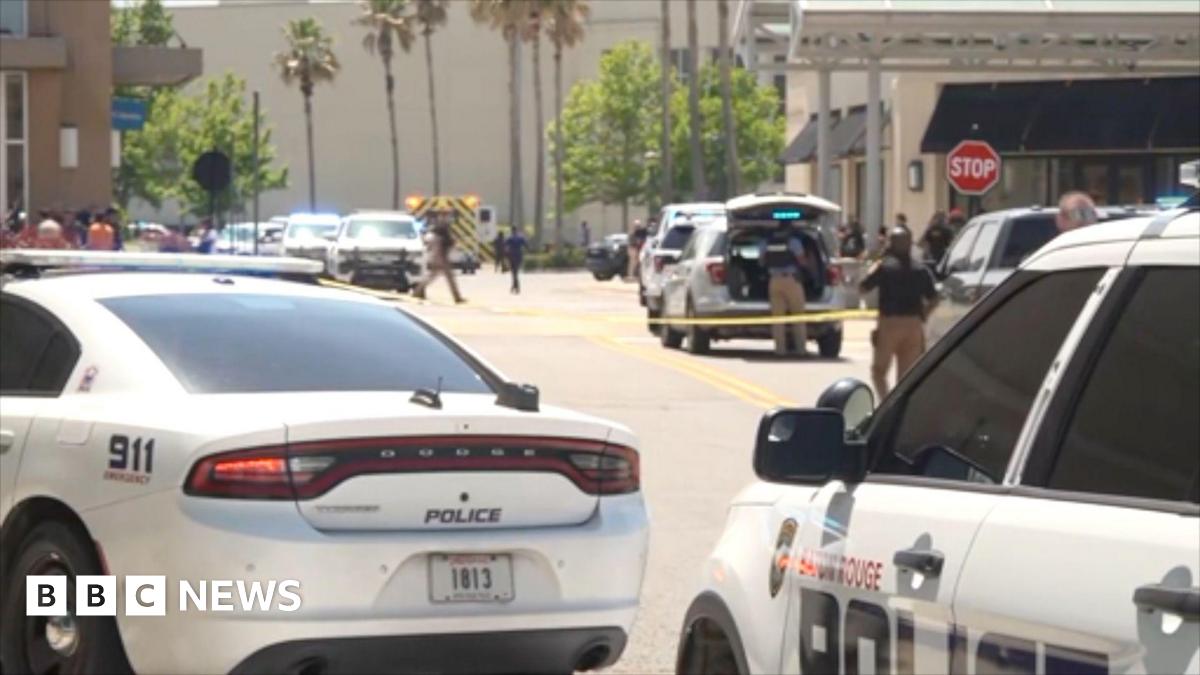
The vibrant hum of a Saturday afternoon at the Mall of Louisiana in Baton Rouge was shattered by the chilling sound of gunfire, transforming a routine shopping trip into a scene of chaos and tragedy. What began as an argument between two groups in the bustling food court quickly devolved into a deadly exchange of bullets, leaving one individual deceased and five others injured. This harrowing incident, confirmed by local police, has once again thrust the pervasive issue of gun violence in public spaces into the national spotlight, prompting renewed calls for introspection and action.
A Scene of Panic and Aftermath
Eyewitness accounts paint a grim picture of the immediate aftermath. Shoppers, many with families, scrambled for cover, their festive mood instantly replaced by terror. The food court, usually a hub of activity and laughter, became a site of fear and confusion. First responders, including Baton Rouge Police and emergency medical services, arrived swiftly, securing the area and providing aid to the wounded. The deceased individual's identity has not yet been fully released, pending family notification, adding another layer of somber anticipation to the unfolding narrative. The five injured individuals were transported to local hospitals, their conditions varying, but all are now part of a statistic that continues to plague American society.
Police officials have indicated that the shooting was not a random act but rather a targeted confrontation between two factions. This detail, while providing some clarity on the immediate cause, does little to assuage the broader anxieties about public safety. The fact that such a violent altercation could erupt in a seemingly secure, family-friendly environment like a shopping mall underscores the unpredictable nature of gun violence and the challenges law enforcement faces in preventing such incidents.
The Pervasive Shadow of Gun Violence in America
The Mall of Louisiana shooting is not an isolated event but rather a stark reminder of a deeply entrenched problem. According to data from the Gun Violence Archive, the United States has consistently seen hundreds of mass shootings annually, defined as incidents where four or more people are shot or killed, excluding the perpetrator. Public spaces, once considered sanctuaries for commerce and leisure, have increasingly become vulnerable targets. From schools and places of worship to concerts and shopping malls, the specter of gun violence looms large, altering the fabric of daily life for millions of Americans.
This incident also highlights the complexities of gun control debates. Proponents of stricter gun laws often point to the ease of access to firearms and the frequency of such events as evidence of a systemic failure. They advocate for measures such as universal background checks, bans on assault weapons, and red flag laws. Conversely, opponents emphasize Second Amendment rights, arguing that such laws infringe upon the rights of law-abiding citizens and that focus should instead be on mental health issues or better enforcement of existing laws. The political polarization surrounding this issue often stalls meaningful legislative progress, leaving communities to grapple with the consequences.
Economic and Social Implications
Beyond the immediate human cost, incidents like the Mall of Louisiana shooting have profound economic and social repercussions. For the mall itself, there's the immediate disruption of business, potential loss of consumer confidence, and the long-term challenge of rebuilding its image as a safe destination. Local businesses, especially those within the mall, suffer from reduced foot traffic and altered consumer behavior. The broader community experiences a collective trauma, leading to increased anxiety, fear, and a sense of vulnerability. Parents might hesitate to take their children to public spaces, and individuals might reconsider their leisure activities, impacting local economies and social cohesion.
Furthermore, the psychological toll on survivors, witnesses, and first responders is immense. Post-traumatic stress disorder (PTSD), anxiety, and depression are common long-term effects. The incident also strains public resources, from law enforcement and emergency services to mental health support systems, which are often already stretched thin. The ripple effect extends far beyond the immediate vicinity of the shooting, touching countless lives and institutions.
Moving Forward: A Call for Comprehensive Solutions
The tragedy at the Mall of Louisiana serves as a poignant call for a multi-faceted approach to addressing gun violence. While immediate law enforcement efforts focus on apprehending those responsible and understanding the specific dynamics of this incident, the long-term challenge requires broader societal engagement. This includes not only robust discussions on gun policy but also investments in conflict resolution programs, mental health services, and community-based violence prevention initiatives.
Security measures in public spaces, such as increased police presence, improved surveillance, and controlled access points, are also vital. However, these measures alone cannot fully eradicate the problem. A holistic strategy must also address the underlying socio-economic factors that contribute to violence, such as poverty, lack of opportunity, and systemic inequalities. Educational campaigns aimed at promoting peaceful conflict resolution and responsible gun ownership can also play a crucial role.
As Baton Rouge mourns and seeks answers, the incident at the Mall of Louisiana stands as a stark reminder of the urgent need for collective action. It is a moment for leaders, policymakers, and communities to come together, transcending political divides, to forge effective solutions that can prevent future tragedies and restore a sense of safety and peace to public spaces across the nation. The path forward is complex, but the cost of inaction is immeasurable.
Stay Informed
Get the world's most important stories delivered to your inbox.
No spam, unsubscribe anytime.
Comments
No comments yet. Be the first to share your thoughts!