Trump Escalates Trade War: 25% Tariffs on EU Cars Threaten Global Economy
US President Donald Trump announced a 25% tariff hike on European Union cars and trucks, claiming the bloc failed to comply with previous trade agreements. This move dramatically escalates transatlantic trade tensions, potentially triggering retaliatory measures from the EU. The decision has sent shockwaves through global markets, raising concerns about economic stability and the future of international trade relations. Experts are now assessing the far-reaching implications for consumers, manufacturers, and geopolitical alliances.
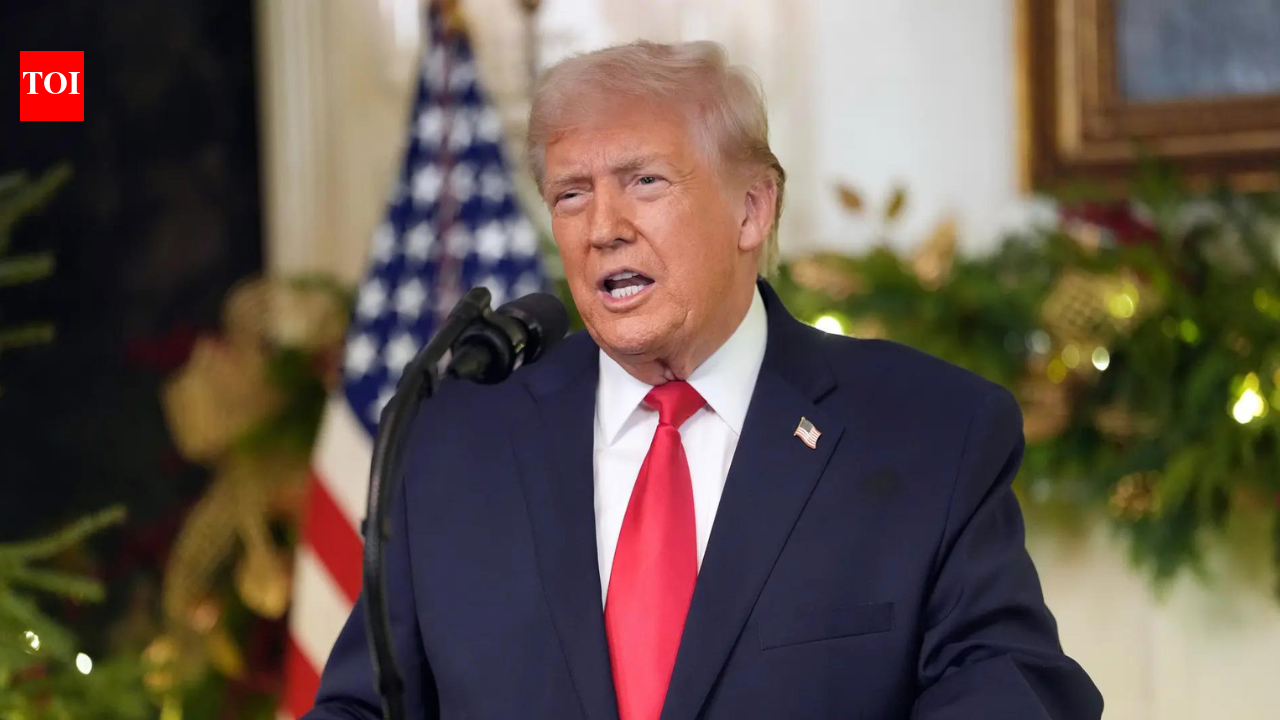
In a move that has sent shockwaves through international markets and diplomatic circles, US President Donald Trump declared the United States would impose a 25% tariff on cars and trucks imported from the European Union, effective next week. The President justified this significant escalation by alleging that the EU had failed to comply with a previously agreed trade deal, a claim vigorously disputed by Brussels. This unilateral decision marks a dramatic turning point in the already strained transatlantic trade relationship, threatening to ignite a full-blown trade war with potentially devastating consequences for the global economy.
The announcement, made amidst growing global economic uncertainty, immediately triggered a flurry of reactions from industry leaders, economists, and political analysts. The automotive sector, a cornerstone of both the European and American economies, stands to be most directly affected. European automakers, who export billions of dollars worth of vehicles to the US annually, face a stark choice: absorb the increased costs, pass them on to American consumers, or reduce their presence in the lucrative US market. Each option carries significant economic and strategic risks.
The Roots of Transatlantic Friction
The current tariff dispute is not an isolated incident but rather the latest chapter in a protracted period of trade friction between the US and the EU. President Trump has long criticized what he perceives as unfair trade practices by the EU, particularly regarding its automotive tariffs, which are generally lower than those of the US. While the US currently imposes a 2.5% tariff on imported passenger cars and 25% on light trucks, the EU levies a 10% tariff on US-made cars. Trump has consistently argued that this disparity puts American manufacturers at a disadvantage and has called for a more 'balanced' trade relationship.
Previous attempts to de-escalate tensions, including negotiations and temporary truces, have evidently failed to satisfy the Trump administration. The President's latest move suggests a growing impatience with the pace of trade talks and a willingness to employ aggressive tactics to force concessions. This approach aligns with his broader 'America First' trade policy, which prioritizes domestic industries and seeks to rebalance trade relationships through tariffs and bilateral agreements rather than multilateral frameworks.
Economic Fallout and Retaliatory Risks
Economists are warning of severe economic repercussions should these tariffs come into effect and, more importantly, if they trigger retaliatory measures from the EU. The European Union has consistently stated its readiness to respond in kind to any US tariffs, potentially targeting iconic American products. Such a tit-for-tat escalation could lead to a global trade war, disrupting supply chains, increasing consumer prices, and stifling economic growth worldwide.
* Impact on Consumers: American consumers could face higher prices for European cars, making them less affordable. This could also indirectly affect the prices of domestic cars as competition lessens. Conversely, European consumers might face higher prices for American goods if the EU retaliates. * Automotive Industry Strain: European automakers like BMW, Mercedes-Benz, and Volkswagen, which have significant manufacturing operations in the US, could see their global supply chains complicated. These companies often import parts from Europe for assembly in the US, or export finished vehicles from Europe. The tariffs could force them to reconsider investment strategies and potentially reduce production or jobs. * Global Economic Slowdown: A full-blown trade war would add significant uncertainty to an already fragile global economy, potentially leading to reduced investment, lower business confidence, and slower GDP growth across major economies.
Geopolitical Implications and Alliance Strain
Beyond the immediate economic concerns, the tariff announcement carries significant geopolitical weight. The US and the EU are traditionally close allies, sharing democratic values and cooperating on a wide range of global issues. However, President Trump's trade policies have repeatedly strained these alliances, pushing traditional partners further apart. This latest move could further alienate the EU, making cooperation on other critical fronts, such as climate change, security, and digital regulation, more challenging.
For the EU, the tariffs represent a direct challenge to its economic sovereignty and its role as a major global trading bloc. Brussels will be under immense pressure to respond decisively to protect its industries and uphold the principles of multilateral trade. The situation could also embolden other nations to adopt protectionist measures, further fragmenting the international trading system that has underpinned global prosperity for decades.
The Path Forward: Negotiation or Escalation?
The coming weeks will be crucial in determining the trajectory of transatlantic trade relations. While President Trump's announcement signals a firm stance, the possibility of last-minute negotiations or a delay in implementation cannot be entirely ruled out. However, given the President's track record, the EU is likely preparing for the tariffs to take effect.
Many analysts believe that a negotiated solution remains the most desirable outcome, but the terms of such a deal would need to address the core grievances of both sides. The EU might be pressed to lower its own automotive tariffs or make concessions in other sectors. Conversely, the US might need to offer assurances regarding its commitment to fair and predictable trade practices. Without a diplomatic breakthrough, the global economy faces the prospect of increased protectionism, diminished trade, and heightened international tensions. The stakes are incredibly high, not just for the automotive industry, but for the very fabric of the international economic order.
Stay Informed
Get the world's most important stories delivered to your inbox.
No spam, unsubscribe anytime.
Comments
No comments yet. Be the first to share your thoughts!