Trump Extends Iran Ceasefire Indefinitely Amid Pakistan-Mediated Peace Talks
In a pivotal move towards de-escalation, US President Donald Trump has indefinitely extended the ceasefire with Iran, hours before its scheduled expiration. This decision underscores a commitment to ongoing peace negotiations, brokered by Pakistan, aimed at resolving a conflict that has claimed thousands of lives. The extension offers a glimmer of hope for a lasting resolution in a region long plagued by instability, though significant hurdles remain.
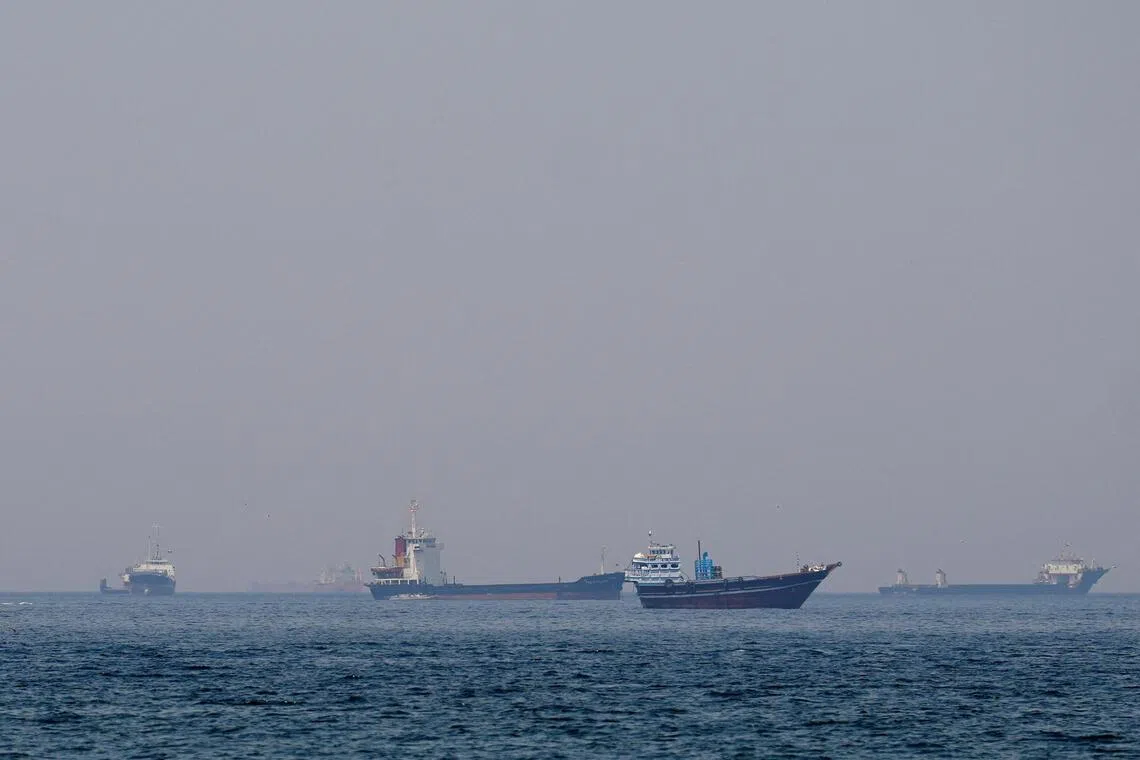
The geopolitical landscape of the Middle East, perpetually on a knife-edge, witnessed a significant, albeit fragile, step towards de-escalation on April 21st. Hours before a critical ceasefire between the United States and Iran was set to lapse, US President Donald Trump announced its indefinite extension. This unexpected yet widely welcomed decision signals a profound commitment to the ongoing, delicate peace talks, tirelessly mediated by Pakistan, which seek to bring an end to a protracted and devastating conflict that has tragically claimed thousands of lives and destabilized an entire region.
This extension is not merely a procedural formality; it represents a strategic pivot, a recognition of the immense human cost of continued hostilities, and a cautious embrace of diplomacy over confrontation. The stakes could not be higher, as the world watches to see if this fragile window of opportunity can finally pave the way for a durable peace between two formidable adversaries.
The Genesis of a Fragile Truce
The conflict between the US and Iran, characterized by decades of animosity, proxy wars, and economic sanctions, escalated dramatically in recent years. Tensions reached boiling point following a series of incidents, including attacks on oil tankers, drone strikes, and missile retaliations, pushing both nations to the brink of all-out war. The initial ceasefire, a testament to intense backdoor diplomacy, was brokered amidst fears of a regional conflagration. It provided a much-needed pause, allowing humanitarian aid to reach affected areas and creating a space, however small, for dialogue. Pakistan, leveraging its unique diplomatic ties with both Washington and Tehran, emerged as a crucial, impartial mediator. Its efforts, often conducted away from the glare of international media, have been instrumental in keeping communication channels open and fostering an environment, however tenuous, for negotiation. This period of reduced hostilities, though punctuated by occasional skirmishes and rhetorical jabs, proved vital in demonstrating that a path to peace, however arduous, was indeed possible.
Pakistan's Pivotal Diplomatic Role
Pakistan's role in facilitating these talks cannot be overstated. As a nation with historical ties to both the United States and Iran, and a vested interest in regional stability, Islamabad has skillfully navigated the complex geopolitical currents. Prime Minister Imran Khan's government has consistently advocated for dialogue and de-escalation, positioning Pakistan as a credible and trusted intermediary. This mediation has involved high-level delegations shuttling between Washington, Tehran, and Islamabad, often carrying sensitive messages and proposals. The logistical and diplomatic challenges of bringing two deeply mistrustful nations to the negotiating table are immense, yet Pakistan has persevered. Their success thus far highlights the importance of neutral third-party facilitators in resolving seemingly intractable conflicts. Without Pakistan's persistent efforts, it is highly probable that the ceasefire would have crumbled, and the region would have plunged back into deeper conflict. This diplomatic triumph for Pakistan also bolsters its standing on the international stage as a responsible and influential player in global peace efforts.
The Road Ahead: Challenges and Opportunities
Despite the positive momentum generated by the ceasefire extension, the path to a comprehensive peace agreement remains fraught with significant challenges. Deep-seated mistrust, ideological differences, and the complex web of regional alliances and proxy conflicts continue to pose formidable obstacles. Key sticking points include Iran's nuclear program, its ballistic missile development, and its support for regional non-state actors. For the US, concerns revolve around regional stability, freedom of navigation, and the security of its allies. Any lasting agreement would require substantial concessions from both sides, a difficult proposition given their entrenched positions. Furthermore, domestic political pressures in both Washington and Tehran could easily derail progress. However, the indefinite extension of the ceasefire also presents unprecedented opportunities. It provides negotiators with invaluable time to delve into the intricate details of a potential agreement, explore creative solutions, and build much-needed confidence. The very act of continued dialogue, even without immediate breakthroughs, helps to normalize communication and reduce the risk of accidental escalation. This period could also allow for the development of confidence-building measures, such as prisoner exchanges or joint humanitarian initiatives, which could further cement the commitment to peace.
Regional Implications and Global Repercussions
The implications of a potential peace agreement extend far beyond the immediate protagonists. A stable US-Iran relationship would send positive ripple effects across the entire Middle East, potentially easing tensions in Yemen, Syria, Iraq, and Lebanon, where proxy conflicts have fueled humanitarian crises and regional instability. Oil markets, highly sensitive to geopolitical tensions in the Persian Gulf, would likely see greater stability, benefiting the global economy. Conversely, a breakdown in talks and a return to hostilities would have catastrophic consequences, not only for the region but for the entire world. The prospect of a major conflict in a vital oil-producing region could trigger a global economic recession, massive refugee flows, and an unprecedented humanitarian catastrophe. This makes the current diplomatic endeavor not just a bilateral issue but a matter of profound global concern. International organizations, including the United Nations, and major powers like China and Russia, are closely monitoring the situation, offering their support to the Pakistani-led mediation efforts, understanding that regional stability is a collective responsibility.
A Cautious Optimism for a Lasting Peace
The indefinite extension of the US-Iran ceasefire marks a critical juncture in a long and arduous journey towards peace. While the road ahead is undoubtedly long and fraught with peril, the commitment to continued dialogue, facilitated by Pakistan's tireless diplomacy, offers a rare beacon of hope. The world watches with bated breath, hoping that this fragile truce can evolve into a robust and lasting peace, transforming a region scarred by conflict into one defined by cooperation and stability. The success of these talks would not only be a triumph for diplomacy but also a testament to the power of perseverance in the face of seemingly insurmountable odds. It would underscore the principle that even the most entrenched adversaries can find common ground when the will to peace outweighs the desire for conflict. The coming months will be crucial in determining whether this flicker of hope can ignite into a lasting flame of reconciliation, ushering in a new era for the Middle East and beyond.
Stay Informed
Get the world's most important stories delivered to your inbox.
No spam, unsubscribe anytime.
Comments
No comments yet. Be the first to share your thoughts!