Trump Tower Gold Coast Project Crumbles: 'Toxic' Brand Blamed as Developers Feud
The ambitious plan for a $1.5 billion Trump Tower in Australia's Gold Coast has officially collapsed, with developers Altus Property Group and the Trump Organization engaging in a bitter blame game. Initially hailed as a landmark deal, the project's demise is now attributed to the 'toxic' nature of the Trump brand in Australia, alongside allegations of financial impropriety and unmet obligations. This failure highlights the complexities of international real estate ventures intertwined with high-profile political figures and their polarizing global image.
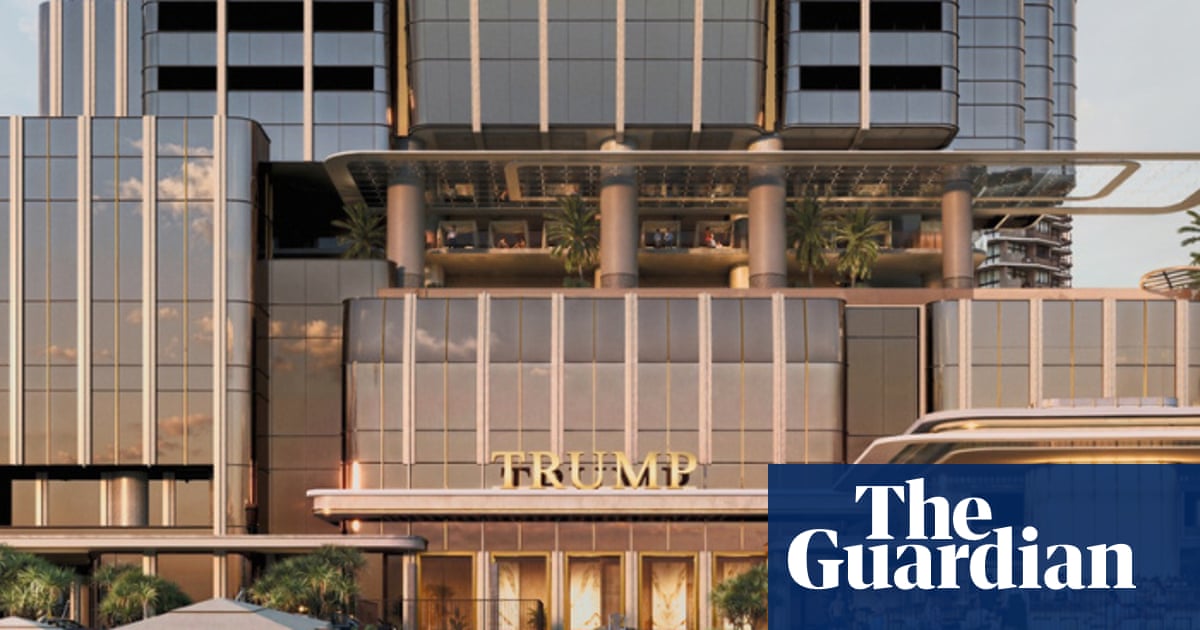
The gilded promise of a Trump Tower gracing the skyline of Australia’s Gold Coast, once a symbol of ambition and high-stakes international real estate, has definitively crumbled. What began with a handshake and smiles on Valentine’s Day at Mar-a-Lago between a little-known property developer and the son of a future US President has devolved into a bitter public dispute, with both Altus Property Group and the Trump Organization pointing fingers over the project's spectacular collapse. The official reason cited for the abandonment of the $1.5 billion Surfers Paradise development is stark: the Trump brand is considered 'toxic to Australians,' making the venture commercially unviable.
This dramatic reversal underscores the profound impact of political polarization on global business, particularly when a brand becomes inextricably linked to a controversial figure. The initial announcement of the project, envisioned as a lavish 77-storey residential and hotel complex, was met with a mix of excitement and skepticism. Proponents lauded the potential for foreign investment and tourism, while critics questioned the suitability of the brand in a market known for its nuanced political landscape. Now, the project's failure serves as a cautionary tale, revealing the intricate web of finance, politics, and public perception that can make or break mega-developments.
The Unraveling of a High-Profile Deal
The initial agreement, struck in 2017, seemed to offer a mutually beneficial arrangement. Altus Property Group, led by its CEO, Kevin Seymour, sought the prestige and global recognition associated with the Trump name to elevate their project. The Trump Organization, in turn, aimed to expand its international footprint and licensing revenue. However, the honeymoon period was short-lived. As Donald Trump's presidency progressed, his policies and rhetoric generated significant opposition globally, and Australia was no exception. Public sentiment began to shift, making the prospect of a Trump-branded skyscraper increasingly contentious.
Sources close to Altus Property Group indicate that market research and investor feedback revealed a growing reluctance among potential buyers and financiers to associate with the Trump brand. The political climate, combined with concerns about the brand's perceived divisiveness, began to overshadow the commercial appeal. This sentiment was reportedly crystallized in internal discussions, leading to the conclusion that proceeding with the Trump name would be a significant financial risk. The developers found themselves in a precarious position: committed to a brand that was becoming an impediment rather than an asset.
Blame Games and Financial Disputes
The official termination of the agreement has ignited a fierce blame game. Altus Property Group publicly stated that the Trump brand had become 'toxic' in Australia, making it impossible to secure necessary financing and pre-sales. They allege that the Trump Organization failed to meet its obligations, including providing adequate marketing support and attracting high-net-worth investors.
Conversely, the Trump Organization vehemently denies these claims. They contend that Altus Property Group failed to secure the necessary funding and development approvals, pointing to the developer's alleged lack of experience with projects of this scale. Eric Trump, executive vice president of the Trump Organization, reportedly dismissed Altus's claims as 'ridiculous' and 'an attempt to deflect from their own failures.' The Trump Organization maintains that their brand remains highly valuable globally and that any issues stemmed from the Australian developer's inability to execute the project.
This public spat hints at deeper contractual disagreements and potentially significant financial penalties. The original licensing agreement would have involved substantial fees paid to the Trump Organization for the use of their name, design, and management expertise. The termination of such a deal typically involves complex legal negotiations over breach of contract and compensation. The fact that both parties are so openly blaming each other suggests that a resolution, if it comes, will likely be protracted and contentious, possibly involving arbitration or litigation.
The 'Toxic' Brand: A Global Phenomenon?
The assertion that the Trump brand is 'toxic' in Australia is not an isolated incident. Similar sentiments have been observed in other international markets where Trump-branded properties have faced challenges or outright rejection. For instance, projects in Canada, Brazil, and even parts of the United States have encountered significant local opposition or struggled with sales, partly due to the political connotations of the brand. This phenomenon suggests a broader trend where consumers and investors are increasingly factoring political and social values into their purchasing and investment decisions.
In Australia, a country with a strong democratic tradition and a generally progressive social outlook, the populist and often controversial rhetoric associated with Donald Trump resonated poorly with a significant portion of the population. This was reflected in public protests, media criticism, and anecdotal evidence of consumer reluctance. For a luxury real estate project, where brand perception is paramount, this negative sentiment proved to be a critical hurdle. The Gold Coast, while a popular tourist destination, also attracts a diverse range of residents and investors who may be sensitive to such political associations.
Implications for Future International Ventures
The collapse of the Trump Tower Gold Coast project offers several key takeaways for developers, investors, and political figures engaged in international business:
* Brand Risk in a Polarized World: The incident highlights the growing risk associated with politically charged brands. What might be an asset in one market or demographic can be a significant liability in another. Developers must conduct thorough due diligence not just on market conditions but also on the political and social reception of associated brands. * The Power of Public Perception: Public sentiment, amplified by social media and global news cycles, can swiftly impact commercial viability. Even without direct political involvement, a brand's association with a controversial figure can deter investors and customers. * Contractual Safeguards: The blame game underscores the importance of robust contractual agreements that clearly define responsibilities, performance metrics, and exit clauses, especially in high-stakes international partnerships. * Local Market Nuances: A 'one size fits all' approach to branding and development is increasingly perilous. Understanding and respecting local cultural, political, and social nuances is crucial for success.
In conclusion, the abandoned Trump Tower Gold Coast project is more than just a failed real estate deal; it is a powerful illustration of how the intersection of global politics and commerce can reshape market dynamics. The 'toxic' brand label, whether fully justified or a convenient scapegoat, marks a significant moment for the Trump Organization's international ambitions and serves as a stark reminder for all global enterprises that in today's interconnected world, reputation and public perception are as critical as concrete and capital.
Stay Informed
Get the world's most important stories delivered to your inbox.
No spam, unsubscribe anytime.
Comments
No comments yet. Be the first to share your thoughts!