UAE Intercepts Drone and Missile Attack, Challenging Fragile Iran Ceasefire
The United Arab Emirates' air defenses successfully intercepted a drone and missile attack early Friday, marking a significant escalation that threatens the already precarious ceasefire in the Iran-aligned conflict. This incident underscores the persistent regional instability and the complex web of proxy warfare. Experts warn of broader implications for Gulf security and global energy markets.
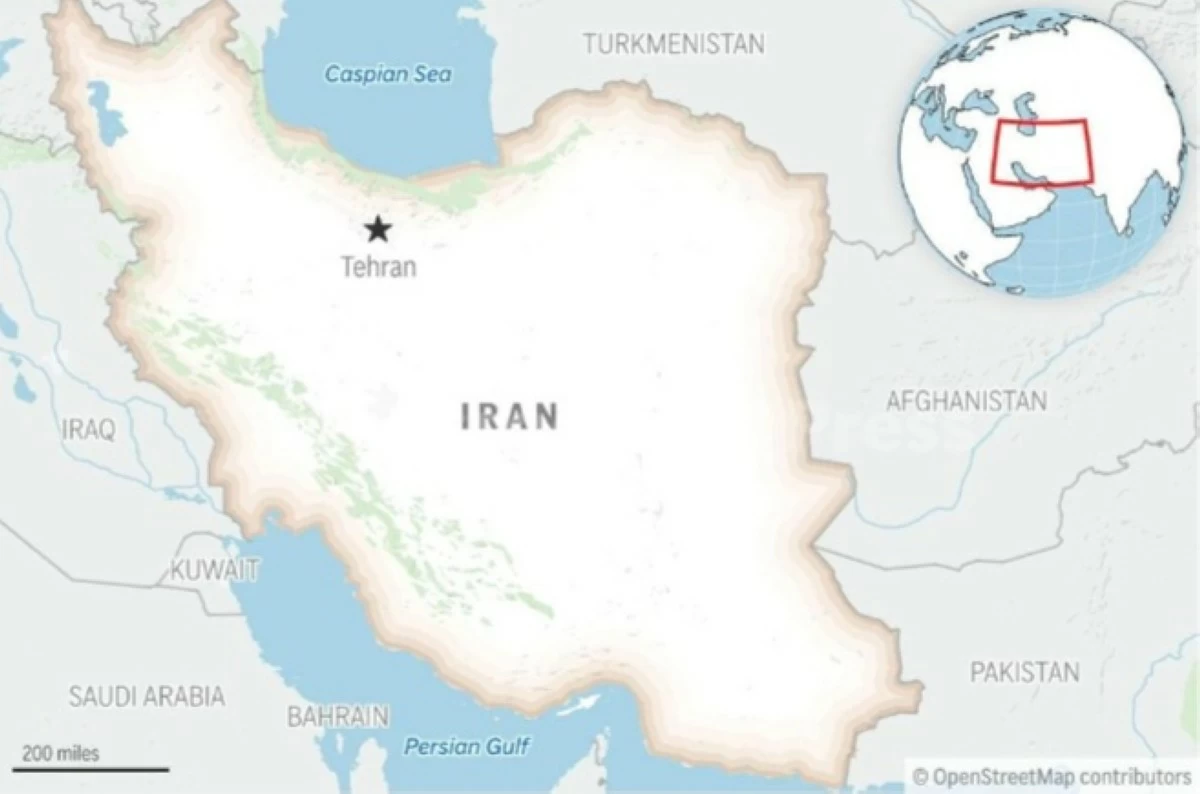
In the pre-dawn hours of Friday, the skies over the United Arab Emirates shimmered not with stars, but with the flash of interceptor missiles, as the nation's air defenses sprung into action. The Ministry of Defense confirmed it was "actively engaging" with a drone and missile attack, a stark and dangerous reminder that the fragile ceasefire in the broader Iran-aligned conflict remains under severe strain. This latest assault, while successfully repelled, sends a chilling message across the region and beyond, highlighting the persistent volatility and the complex geopolitical chessboard where the stakes are perpetually high.
A Region on Edge: The Latest Escalation
The details emerging from the incident indicate a sophisticated, coordinated attack. While official sources have yet to definitively attribute responsibility, the modus operandi bears the hallmarks of previous assaults by Iran-backed groups, particularly the Houthis in Yemen. These groups have repeatedly targeted Saudi Arabia and, more recently, the UAE, extending the reach of their conflict far beyond Yemen's borders. The successful interception by the UAE's advanced defense systems, including likely the American-made THAAD (Terminal High Altitude Area Defense) and Patriot systems, prevented potential casualties and significant damage, but the psychological impact of such an incursion is undeniable. It forces a re-evaluation of regional security postures and the efficacy of current diplomatic efforts to de-escalate tensions. The attack occurred just as international efforts were intensifying to solidify the ceasefire, casting a long shadow over prospects for lasting peace. The timing itself suggests a deliberate attempt to undermine these efforts and assert continued operational capability.
Historical Context: A Decade of Proxy Warfare
To understand the gravity of this event, one must delve into the historical tapestry of the region's conflicts. The Gulf has been a crucible of geopolitical tension for decades, often serving as a battleground for proxy wars between regional powers, primarily Saudi Arabia and Iran. The Yemeni civil war, which began in 2014, is perhaps the most devastating manifestation of this rivalry. Saudi Arabia and the UAE intervened in 2015 to support the internationally recognized government against the Houthi rebels, who are backed by Iran. This intervention drew the UAE directly into the conflict, making it a target for retaliatory strikes.
Prior to 2022, the UAE had largely been spared direct attacks on its homeland, unlike Saudi Arabia which has faced hundreds of drone and missile assaults. However, a significant shift occurred in early 2022 when Houthi forces launched a series of attacks targeting Abu Dhabi, including one that struck a fuel depot and killed three civilians. These attacks marked a dangerous new phase, demonstrating the Houthis' expanding capabilities and their willingness to escalate against non-combatant targets within the UAE. The current incident, therefore, is not an isolated event but part of a disturbing pattern of aggression that has been steadily escalating, challenging the very notion of secure borders in the Arabian Peninsula. The economic implications are also significant; the UAE is a global financial hub and a major oil producer, and such attacks threaten its stability and investor confidence.
Implications for Regional Stability and Global Markets
This latest attack carries profound implications for regional stability. Firstly, it directly challenges the credibility and durability of the current ceasefire, which has been painstakingly negotiated and is viewed by many as a critical step towards a broader peace process. If such attacks continue, the ceasefire could unravel, plunging the region back into full-scale conflict. Secondly, it puts pressure on international actors, particularly the United States, to reassess their engagement and security guarantees in the Gulf. The US has a significant military presence in the UAE and has been instrumental in providing defense technology and intelligence. Any perceived weakening of these commitments could embolden aggressors.
Economically, the UAE is a vital node in global energy supply chains. Attacks on its territory, even if unsuccessful, introduce uncertainty into oil markets. Historically, geopolitical tensions in the Gulf have led to spikes in oil prices, and this incident could contribute to renewed volatility, impacting global inflation and economic recovery. Furthermore, the UAE's reputation as a safe haven for business and tourism could be tarnished, affecting its long-term economic diversification plans. The cost of maintaining advanced air defense systems and the constant state of alert also places a significant burden on the national budget, diverting resources from other developmental priorities.
Expert Analysis: The Calculus of Deterrence
Security analysts are closely watching the aftermath. Dr. Fatima Al-Sayegh, a prominent Gulf security expert, notes, "The successful interception demonstrates the UAE's robust defensive capabilities, but the persistent nature of these attacks highlights a failure in deterrence. The perpetrators believe they can continue these actions with acceptable costs." She adds, "The international community must move beyond condemnations and consider more robust measures to enforce the ceasefire and prevent further escalation. This includes targeted sanctions and diplomatic pressure on state sponsors of these non-state actors." The calculus of deterrence in this complex environment is multifaceted, involving military strength, diplomatic leverage, and economic pressure. The current situation suggests that the balance is precarious, and a miscalculation by any party could have catastrophic consequences.
Moreover, the attacks serve as a propaganda victory for the perpetrators, regardless of their success rate. They demonstrate reach and the ability to disrupt, even if only momentarily, the sense of security in a highly developed nation. This psychological warfare is a key component of their strategy, aiming to sow fear and undermine confidence in the targeted government's ability to protect its citizens and infrastructure. The technological aspect is also evolving; the use of drones, often commercially available technology adapted for military purposes, presents a unique challenge for traditional air defense systems, requiring constant innovation and adaptation.
Looking Ahead: A Precarious Path to Peace
As the dust settles from the latest interception, the path forward for the UAE and the broader region remains fraught with peril. The immediate priority will be to reinforce security measures and to work with international partners to de-escalate the situation. Diplomatic channels will be crucial, but their effectiveness is continually tested by such acts of aggression. The incident serves as a stark reminder that peace in the Middle East is not a given; it is a constant, arduous struggle against deeply entrenched rivalries and the proliferation of advanced weaponry in the hands of non-state actors. The world watches, hoping that the intercepted missiles are not a prelude to a wider conflagration, but rather a final, desperate attempt to derail a peace that is, for now, still within reach. The resilience of the UAE and its commitment to stability will be severely tested in the coming months, as the region navigates this precarious geopolitical landscape. The long-term solution will require not just military deterrence, but also addressing the root causes of conflict, including economic grievances and political marginalization, which fuel these proxy wars. Without a comprehensive approach, such attacks will likely remain a recurring feature of the regional security environment.
Stay Informed
Get the world's most important stories delivered to your inbox.
No spam, unsubscribe anytime.
Comments
No comments yet. Be the first to share your thoughts!