UAE's Shock Departure from OPEC: A New Era for Global Oil Dynamics?
The United Arab Emirates has announced its stunning departure from the Organization of the Petroleum Exporting Countries (OPEC) after nearly six decades of membership, a move that reverberates through the global energy landscape. This decision, also encompassing OPEC+, signals a profound shift in the UAE's strategic energy policy, aiming for greater autonomy in production and investment. Experts are now scrutinizing the potential impacts on oil prices, market stability, and the future influence of the cartel itself.
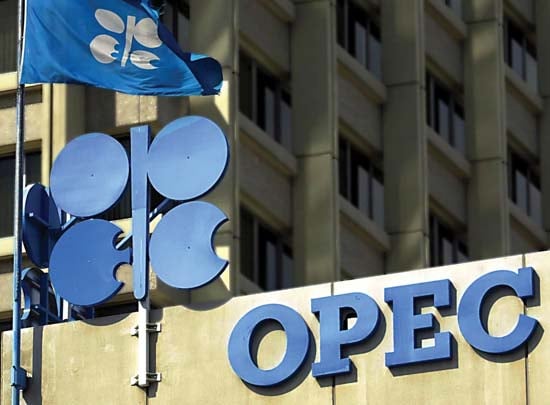
In a seismic shift that has sent ripples across the global energy markets, the United Arab Emirates (UAE) has declared its intention to withdraw from the Organization of the Petroleum Exporting Countries (OPEC) after nearly 60 years of membership. This momentous decision, which also includes an exit from the wider OPEC+ alliance, marks a pivotal moment for one of the world's leading oil producers and raises profound questions about the future cohesion and influence of the cartel itself. The announcement, initially circulating through diplomatic channels and later confirmed by official sources, underscores a growing desire within the UAE to assert greater control over its oil production policies and investment strategies, free from the constraints of collective quotas.
For decades, OPEC has been the undisputed orchestrator of global oil supply, its decisions capable of sending crude prices soaring or plummeting. The departure of a significant player like the UAE, with its substantial reserves and production capacity, is not merely a symbolic act; it represents a tangible challenge to the cartel's long-standing authority and its ability to manage market stability. Analysts are now scrambling to assess the immediate and long-term implications, ranging from potential price volatility to a fundamental re-evaluation of geopolitical alliances in the Middle East.
A History of Influence and Shifting Sands
The UAE joined OPEC in 1967, a relatively young nation at the time, and quickly grew into a vital pillar of the organization. Its vast oil wealth, primarily concentrated in Abu Dhabi, has fueled its rapid economic development and transformation into a global hub for finance, tourism, and innovation. Throughout its membership, the UAE has often played a mediating role within OPEC, balancing the interests of larger producers like Saudi Arabia with those of smaller members. However, beneath this veneer of unity, tensions have periodically simmered, particularly regarding production quotas and investment in new capacity.
Recent years have seen a growing divergence in strategic priorities. While OPEC's primary mandate remains market stabilization through coordinated production cuts or increases, the UAE has increasingly prioritized maximizing its production capacity to meet future global demand and secure its long-term economic prosperity. The country has invested heavily in expanding its upstream capabilities, aiming to boost its crude oil production capacity to 5 million barrels per day (bpd) by 2027, a target that often clashed with OPEC's collective output ceilings. This ambition for greater market share and revenue generation appears to be a key driver behind the decision to go it alone.
The Strategic Rationale: Autonomy and Ambition
The UAE's rationale for exiting OPEC is multifaceted, rooted in both economic ambition and a desire for strategic autonomy. By leaving the cartel, the UAE gains complete freedom to set its own production levels, unburdened by the quotas that have historically dictated its output. This newfound flexibility is crucial for a nation that sees its future not just in oil, but also in diversifying its economy and becoming a leading player in the global energy transition. Unrestricted production allows the UAE to capitalize fully on its substantial reserves and state-of-the-art infrastructure, potentially increasing its market share and revenue streams.
Furthermore, the decision reflects a broader trend among some Gulf states to pursue more independent foreign and economic policies. The UAE has been proactive in forging new alliances and expanding its global footprint, and its energy strategy is an integral part of this vision. The constraints of OPEC membership, particularly during periods of market volatility or when differing national interests emerged, may have been perceived as hindering the UAE's ability to act swiftly and decisively in its own best interest. This move could empower the UAE to: * Maximize production capacity: Unfettered by quotas, the UAE can pump at will, potentially increasing its global market share. * Attract foreign investment: Greater predictability in production policy might appeal to international energy companies. * Diversify energy portfolio: Revenues from increased oil sales could accelerate investments in renewables and other sectors. * Enhance geopolitical leverage: A more independent energy policy grants the UAE greater flexibility in international relations.
Implications for OPEC and Global Markets
The departure of the UAE is undoubtedly a blow to OPEC's prestige and influence. While Saudi Arabia remains the dominant force within the cartel, the loss of a major producer like the UAE could weaken OPEC's collective bargaining power and its ability to effectively manage global supply. The market's initial reaction will be closely watched, with some analysts predicting a period of uncertainty and potential price fluctuations. If the UAE significantly boosts its output, it could contribute to an oversupply scenario, potentially driving down prices. Conversely, if other members perceive this as a sign of weakening unity, it could lead to a more fragmented and less predictable oil market.
For consumers, the impact is less clear. In the short term, increased supply from the UAE could put downward pressure on fuel prices, offering some relief. However, a less stable and more unpredictable oil market in the long run could lead to greater volatility, making energy planning more challenging for businesses and governments worldwide. The move also raises questions about the future of OPEC+, the broader alliance that includes non-OPEC producers like Russia. The cohesion of this group, which has been instrumental in stabilizing markets in recent years, could be tested by the UAE's independent path.
The Road Ahead: A New Energy Landscape
The UAE's exit from OPEC marks a significant turning point in the history of global oil. It signals a shift towards a more multipolar energy landscape, where individual nations are increasingly prioritizing their national interests over collective action. While OPEC will undoubtedly continue to play a role, its influence may diminish as key players seek greater autonomy. The coming months will reveal how the UAE navigates its newfound independence and how the remaining OPEC members adapt to this altered dynamic.
This development underscores the complex interplay of economics, geopolitics, and national ambition in the energy sector. As the world grapples with the dual challenges of energy security and climate change, the UAE's decision could set a precedent, encouraging other nations to reconsider their allegiances and pursue strategies that best serve their evolving national interests. The global energy market is entering a new, potentially more volatile, but also more dynamic era, with the UAE poised to play an even more prominent, independent role on the world stage.
Stay Informed
Get the world's most important stories delivered to your inbox.
No spam, unsubscribe anytime.
Comments
No comments yet. Be the first to share your thoughts!