UAE's Strategic Shift: How an OPEC Exit Could Reshape India's Energy Future
The United Arab Emirates' potential departure from OPEC could herald a new era for global energy dynamics, particularly benefiting India. This strategic move promises not only significant price and logistical advantages for New Delhi but also enhances its energy security amidst geopolitical uncertainties. As India seeks to diversify its oil imports, a more independent UAE could become a pivotal, reliable partner, fostering stronger bilateral ties and reducing reliance on traditional, volatile supply chains.
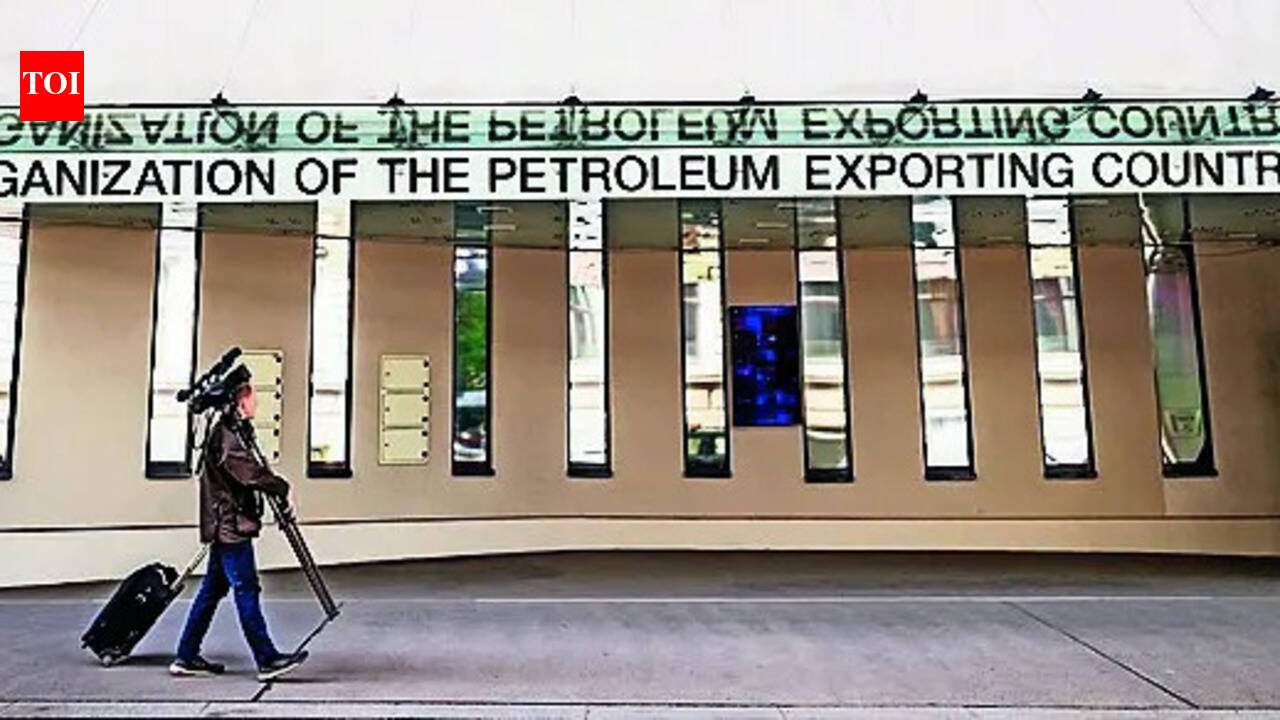
In a geopolitical landscape increasingly defined by shifting alliances and energy imperatives, the prospect of the United Arab Emirates (UAE) exiting the Organization of the Petroleum Exporting Countries (OPEC) is sending ripples across global markets. While the immediate implications for the cartel are significant, the potential benefits for energy-hungry nations like India are nothing short of transformative. This strategic realignment could fundamentally reshape India's long-term energy security, offering a crucial lifeline amidst persistent supply squeezes and volatile crude prices.
For decades, OPEC has dictated a substantial portion of the world's oil supply and pricing, its decisions reverberating through economies globally. The UAE, a key player within the organization, has often found its national interests occasionally at odds with OPEC's collective production quotas. A departure would grant the UAE unprecedented autonomy to manage its vast oil reserves and production capacity, potentially leading to increased output tailored to bilateral agreements rather than cartel mandates. This newfound flexibility is precisely what India, the world's third-largest oil consumer, has been seeking.
The Geopolitical Chessboard: UAE's Strategic Autonomy
The UAE’s potential move is not merely an economic decision but a deeply strategic one, reflecting a broader trend among Gulf nations to diversify their economies and assert greater independence on the global stage. By untethering itself from OPEC's production ceilings, the UAE could leverage its significant oil reserves – estimated at around 97.8 billion barrels – to forge direct, long-term supply agreements with key consumers. This autonomy allows the UAE to prioritize its national economic growth and geopolitical influence, potentially positioning itself as a more reliable and flexible energy partner outside the constraints of cartel politics.
This shift is particularly pertinent given the current global energy climate, marked by supply chain disruptions, geopolitical conflicts, and an urgent need for energy security. For India, which imports over 85% of its crude oil requirements, securing stable and affordable supplies is paramount. The recent military conflicts and sanctions have highlighted the precariousness of relying heavily on a few traditional sources, making diversification and direct engagement with producers a top priority.
India's Energy Security: A Paradigm Shift
India's energy demand is projected to grow significantly in the coming decades, making stable and affordable access to crude oil a cornerstone of its economic development. The country has long sought to reduce its import bill and insulate itself from the volatility of international oil markets. A UAE outside OPEC could offer several distinct advantages:
* Price Advantage: Without OPEC quotas, the UAE could potentially offer oil at more competitive prices through direct, long-term contracts, bypassing the premium often associated with cartel-influenced pricing. This could lead to substantial savings for India, directly impacting inflation and economic stability. * Logistical Efficiency: The geographical proximity of the UAE to India offers significant logistical benefits. Shorter shipping routes mean lower freight costs and faster delivery times, reducing the overall cost of imports and enhancing supply chain resilience. * Enhanced Reliability: Direct government-to-government or state-owned enterprise agreements can provide greater supply predictability and stability, crucial for India's strategic petroleum reserves and industrial planning. This reduces dependence on spot markets, which are highly susceptible to global events. * Diversification of Sources: While India has diversified its crude imports in recent years, a strong bilateral energy partnership with an independent UAE would further broaden its supplier base, mitigating risks associated with over-reliance on any single region or political bloc.
Historical Context and Future Implications
Historically, India has maintained strong diplomatic and economic ties with the UAE. The two nations share a robust trade relationship, and energy cooperation has always been a significant component. The current scenario presents an opportunity to elevate this relationship to an entirely new strategic level. India’s energy diplomacy has been proactive, seeking to forge direct ties with oil-producing nations to secure its future needs. This potential development aligns perfectly with that strategy.
Expert analysts suggest that a UAE exit from OPEC would not only benefit India but also send a powerful signal to other oil-producing nations about the evolving dynamics of the global energy market. It could potentially lead to a more fragmented, yet perhaps more competitive, oil supply landscape. For India, this fragmentation could translate into greater leverage and more favorable terms in securing its energy future.
However, it's also important to consider the broader implications. An independent UAE might face pressure from other OPEC members or geopolitical rivals. The success of such a move would depend on the UAE's ability to navigate these complex waters while maintaining its economic stability and strategic partnerships. For India, the challenge would be to capitalize on this opportunity effectively, negotiating favorable terms and ensuring the long-term sustainability of these new supply arrangements.
A New Dawn for India-UAE Energy Partnership
The prospect of the UAE's departure from OPEC represents a pivotal moment for both nations. For the UAE, it signifies a bold step towards greater economic sovereignty and a recalibration of its global energy strategy. For India, it offers a golden opportunity to significantly bolster its energy security, reduce import costs, and establish a more resilient supply chain. This potential shift underscores the dynamic nature of international relations and the profound impact of strategic decisions on global commodity markets.
As New Delhi continues its quest for sustainable growth and energy independence, a closer, more direct energy partnership with a strategically autonomous UAE could very well be the cornerstone of its future energy architecture. The coming years will reveal the full extent of this potential transformation, but the early indicators point towards a mutually beneficial realignment that could redefine the energy landscape for a generation.
Stay Informed
Get the world's most important stories delivered to your inbox.
No spam, unsubscribe anytime.
Comments
No comments yet. Be the first to share your thoughts!