UK Bolsters Strait of Hormuz Defense: A Critical Geopolitical Maneuver
The United Kingdom has pledged significant military assets, including fighter jets, drones, and a warship, to an international mission safeguarding shipping in the Strait of Hormuz. This move, announced by Defence Minister John Healey, underscores the UK's commitment to maritime security in a region vital for global energy supplies. With over 40 nations involved, the initiative aims to deter aggression and ensure the free flow of commerce through one of the world's most critical chokepoints, reflecting escalating geopolitical tensions.
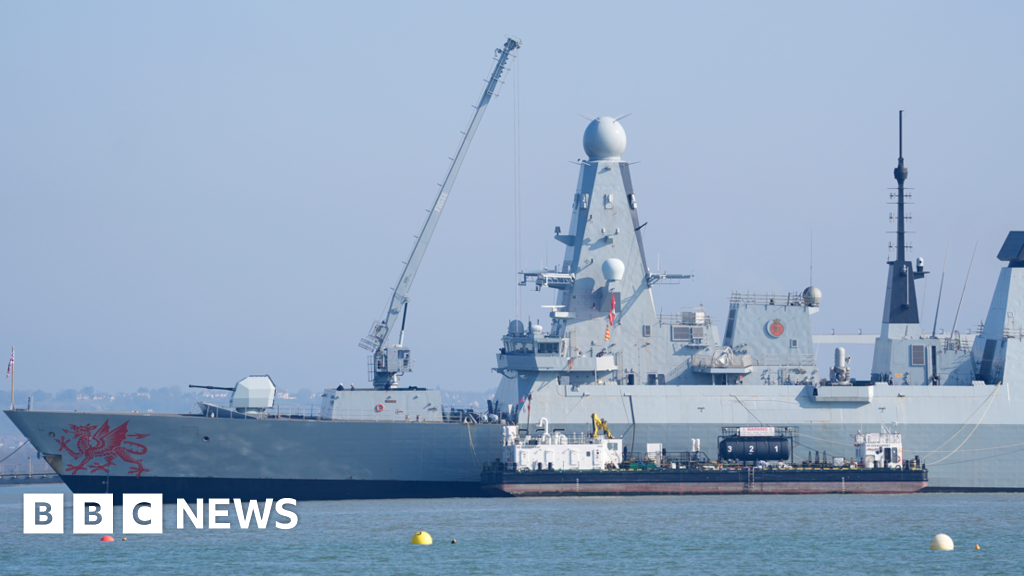
The Strait of Hormuz, a narrow waterway connecting the Persian Gulf to the open ocean, has long been a crucible of geopolitical tension and a linchpin of global energy security. Its strategic importance cannot be overstated: approximately one-fifth of the world's total oil consumption, and a substantial portion of its liquefied natural gas (LNG), transits through this chokepoint daily. Against this backdrop of immense economic and strategic significance, the United Kingdom has announced a substantial commitment to an international defense mission aimed at safeguarding maritime commerce in the region, a move that signals a renewed focus on global security responsibilities and a clear message to potential adversaries.
Defence Minister John Healey, speaking at a virtual summit of defense ministers, confirmed that the UK would contribute fighter jets, advanced drones, and a warship to the joint endeavor. This package of assets is designed to enhance surveillance, deterrence, and rapid response capabilities, ensuring the safety of commercial vessels navigating the strait. The Ministry of Defence stated that the mission, which involves over 40 nations, will commence when operational conditions allow, highlighting the complex coordination required for such a multinational undertaking. This British pledge is not merely a symbolic gesture; it represents a tangible commitment to upholding international law and protecting the arteries of global trade.
The Strait's Enduring Geopolitical Significance
The Strait of Hormuz is barely 21 nautical miles wide at its narrowest point, yet it serves as the sole maritime passage from the Persian Gulf to the world's oceans. Flanked by Iran to the north and Oman's Musandam Peninsula to the south, its geography makes it inherently vulnerable to disruption. Historically, the strait has been a flashpoint, particularly during the Iran-Iraq War in the 1980s, when both sides targeted shipping, leading to the 'Tanker War.' More recently, tensions have flared due to Iran's nuclear program and its regional activities, resulting in a series of incidents involving commercial vessels and naval forces. These events underscore the delicate balance of power and the constant threat of escalation in a region already prone to instability.
The economic implications of any disruption are staggering. A significant portion of the world's crude oil, refined petroleum products, and LNG passes through this waterway. Any prolonged closure or significant impediment to shipping would send shockwaves through global energy markets, driving up prices, disrupting supply chains, and potentially triggering a global economic downturn. For major economies like those in Europe, Asia, and North America, ensuring the free flow of traffic through Hormuz is not just a matter of regional stability but one of fundamental national security and economic well-being. The UK's decision to deploy high-value assets reflects this understanding, acknowledging that distant threats can have immediate global consequences.
A Multinational Effort: Diplomacy and Deterrence
The involvement of over 40 nations in this defense mission highlights the collective international concern over the security of the Strait of Hormuz. Such a broad coalition brings together diverse naval capabilities, intelligence sharing, and diplomatic weight, creating a robust framework for deterrence. While the specific operational details and command structure of this multinational force are still being finalized, the sheer number of participating countries sends a powerful message: the international community will not tolerate unilateral actions that threaten global commerce or violate maritime freedom. This collective approach is crucial, as no single nation can effectively police such a vast and complex maritime domain alone.
The UK's contribution of fighter jets, such as the Typhoon, provides critical air superiority and reconnaissance capabilities, allowing for rapid response to potential threats. Drones offer persistent surveillance, an invaluable asset in monitoring vast stretches of water and identifying suspicious activities. The deployment of a warship, likely a frigate or destroyer, adds a significant surface combatant presence, capable of intercepting, escorting, and defending against various maritime threats, from fast attack craft to missile threats. This layered defense strategy aims to create an environment where commercial shipping can operate with confidence, knowing that a robust international force is present and ready to act.
The Broader Strategic Context: UK's Global Role
This deployment is also indicative of the UK's evolving post-Brexit foreign policy, often described as 'Global Britain.' While the UK has historically maintained a significant naval presence globally, this specific commitment to the Strait of Hormuz underscores its ambition to remain a key player in international security affairs. It signals a willingness to project power and influence beyond its immediate European neighborhood, engaging in regions critical to global stability and trade. For the UK, contributing to such missions is not just about protecting shipping; it's about reinforcing its alliances, demonstrating its military capabilities, and asserting its role on the world stage.
Furthermore, the move comes at a time of heightened global instability, with conflicts in Ukraine and the Middle East reshaping international relations. By joining this mission, the UK is also aligning itself with key allies, particularly the United States, in efforts to counter regional aggression and maintain a rules-based international order. The deployment serves as a deterrent against state and non-state actors who might seek to exploit vulnerabilities in the strait, thereby contributing to broader regional stability. It's a calculated decision that balances the costs of deployment with the strategic imperative of protecting vital global interests.
Looking Ahead: Challenges and Prospects
The success of this multinational mission will depend on several factors, including sustained political will from participating nations, effective coordination among diverse military forces, and a clear understanding of the rules of engagement. The operational environment in the Strait of Hormuz is dynamic and fraught with potential for miscalculation. Maintaining a continuous, high-readiness presence will require significant resources and long-term commitment. Furthermore, the diplomatic efforts accompanying this military presence will be crucial in de-escalating tensions and fostering dialogue among regional stakeholders.
The UK's contribution is a significant step towards reinforcing maritime security in a volatile region. It underscores the interconnectedness of global trade and security, demonstrating that threats to one part of the world can have far-reaching consequences. As the mission prepares to launch, the eyes of the world will be on the Strait of Hormuz, watching to see how this concerted international effort will shape the future of global energy security and regional stability. The commitment of advanced military assets by a major power like the UK sends a clear signal that the international community is prepared to defend the freedom of navigation, ensuring that this vital artery of global commerce remains open and secure for all.
Stay Informed
Get the world's most important stories delivered to your inbox.
No spam, unsubscribe anytime.
Comments
No comments yet. Be the first to share your thoughts!