UK Bolsters Strait of Hormuz Defense with Jets, Drones, and Warship Amid Global Tensions
The United Kingdom has pledged a significant military contribution, including fighter jets, advanced drones, and a warship, to an international mission safeguarding vital shipping lanes in the Strait of Hormuz. This move underscores growing global concerns over maritime security in the critical waterway, through which a substantial portion of the world's oil supply transits. With over 40 nations involved, the initiative aims to deter aggression and ensure stability, reflecting a concerted effort to protect international commerce and prevent regional escalation. Defence Minister John Healey announced the package, highlighting the UK's commitment to global security and freedom of navigation.
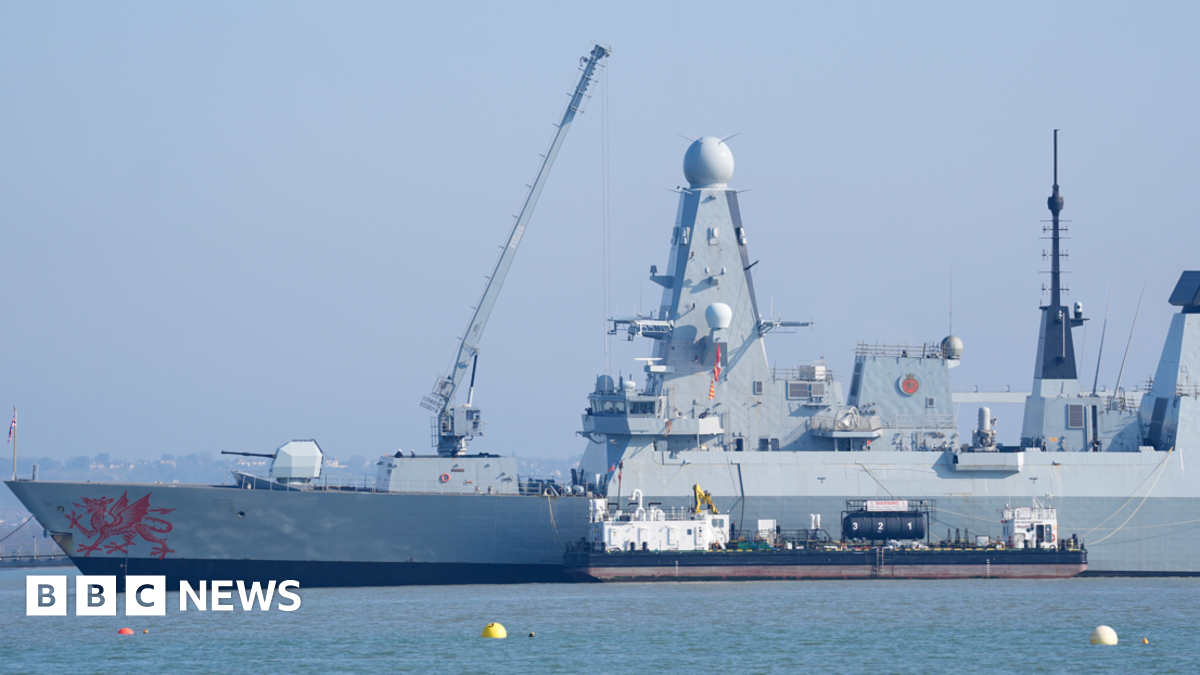
In a decisive move to bolster international maritime security, the United Kingdom has announced a substantial commitment of military assets to a multinational mission safeguarding the Strait of Hormuz. This strategic deployment, which includes fighter jets, advanced drones, and a warship, signals a heightened global concern for the stability of this critical choke point, through which approximately one-fifth of the world's oil supply passes daily. The announcement, made by Defence Minister John Healey at a virtual summit of defense ministers, underscores a collective resolve among over 40 nations to protect international shipping and deter potential threats in the region.
The Strait of Hormuz, a narrow waterway connecting the Persian Gulf to the open ocean, has long been a flashpoint for geopolitical tensions. Its strategic importance cannot be overstated; any disruption to its free passage could send shockwaves through global energy markets and the broader economy. The UK's contribution, set to commence when operational conditions allow, is a tangible demonstration of its commitment to upholding international law and ensuring freedom of navigation in one of the world's most vital maritime arteries.
The Strategic Imperative: Why Hormuz Matters
The Strait of Hormuz is not merely a shipping lane; it is a geopolitical fault line. Bounded by Iran to the north and Oman and the UAE to the south, its narrowest point is just 21 nautical miles wide. This geographical constraint, combined with the sheer volume of maritime traffic – including oil tankers, LNG carriers, and container ships – makes it uniquely vulnerable to disruption. Historically, the Strait has been a theater for various international incidents, from the Iran-Iraq War's "Tanker War" in the 1980s to more recent episodes involving seizures of commercial vessels and attacks on oil infrastructure.
The economic implications of any significant disruption are profound. A substantial portion of global energy supplies, particularly crude oil and liquefied natural gas (LNG), transits this strait. Major importers in Asia, Europe, and North America rely heavily on these shipments. Even a temporary closure or a perceived increase in risk can lead to: * Spikes in global oil prices: Directly impacting consumer costs and industrial production. * Increased insurance premiums for shipping: Raising the cost of goods and services. * Supply chain disruptions: Affecting manufacturing and retail sectors worldwide.
Therefore, the mission to safeguard the Strait is not just about regional security; it is about global economic stability. The involvement of over 40 nations reflects this shared understanding, transforming a regional challenge into a collective international responsibility.
UK's Contribution: A Multifaceted Approach
The United Kingdom's pledged assets represent a comprehensive approach to maritime security, combining air, sea, and surveillance capabilities. The deployment includes: * Fighter Jets: Likely Typhoons, these aircraft provide a rapid response capability, air superiority, and deterrence against airborne threats or hostile surface vessels. Their presence can significantly enhance the protection of shipping convoys and provide aerial reconnaissance. * Advanced Drones: Unmanned aerial vehicles (UAVs) offer persistent surveillance, intelligence gathering, and reconnaissance (ISR) capabilities. They can monitor vast areas of the Strait, identify suspicious activities, and provide real-time data to naval commanders without risking human pilots. This is particularly crucial in a complex maritime environment where stealth and endurance are key. * Warship: A Royal Navy warship, potentially a Type 23 frigate or a Type 45 destroyer, will provide a robust naval presence. These vessels are equipped with sophisticated radar systems, anti-air and anti-surface missile capabilities, and often carry helicopters, enabling them to intercept threats, conduct boarding operations, and coordinate with other allied naval forces.
This integrated package aims to create a multi-layered defense, enhancing situational awareness, response times, and overall deterrence. Defence Minister Healey emphasized that the UK's involvement is a testament to its commitment to "freedom of navigation and the rules-based international order," principles vital for global trade and peace.
Historical Context and Evolving Threats
The current mission is not without historical precedent. The Strait of Hormuz has been a focal point for international naval operations for decades. Following the "Tanker War" in the 1980s, during which both Iran and Iraq attacked commercial shipping, international naval forces, including the US and UK, significantly increased their presence to protect maritime traffic. More recently, in 2019, a series of attacks on tankers and the seizure of the British-flagged Stena Impero tanker by Iran highlighted the persistent and evolving nature of threats in the region.
The threats today extend beyond traditional naval warfare. They include: * Asymmetric warfare tactics: Such as the use of fast attack craft, sea mines, and anti-ship missiles from coastal batteries. * Cyber attacks: Targeting navigation systems or port infrastructure. * Drone attacks: Both aerial and potentially naval drones, posing new challenges for defense. * Piracy and illicit trade: Though less prevalent recently, these remain underlying concerns.
The international mission, therefore, must adapt to this complex threat landscape. The inclusion of drones in the UK's package reflects an understanding of these modern challenges and the need for advanced surveillance and reconnaissance capabilities.
Geopolitical Implications and Forward Outlook
The UK's deployment, as part of a broader coalition, sends a strong message of deterrence to any actors contemplating disruptive actions in the Strait. It reinforces the principle that international waterways are not subject to unilateral control and that the global community will act to protect its shared interests. This collective security approach is particularly relevant in a region characterized by fluctuating alliances and geopolitical rivalries.
The mission also serves to strengthen diplomatic ties and interoperability among the participating nations. Joint exercises, intelligence sharing, and coordinated patrols foster trust and enhance the collective capacity to respond to crises. For the UK, it reaffirms its role as a significant global security actor, projecting influence and demonstrating its commitment to international stability post-Brexit.
Looking ahead, the success of this mission will depend on sustained commitment, effective coordination among diverse naval forces, and a clear diplomatic strategy to de-escalate tensions. While military presence is crucial for deterrence, long-term stability in the Strait of Hormuz will ultimately require broader political solutions and a reduction in regional hostilities. The international community's unified stance, exemplified by this mission, offers a pathway towards ensuring that this vital artery of global commerce remains open and secure for all.
The deployment of UK assets to the Strait of Hormuz is more than just a military maneuver; it is a strategic declaration of intent. It signifies a global recognition of the Strait's indispensable role in the world economy and a collective pledge to defend the principles of free navigation against any challenge. As the international community navigates an increasingly complex geopolitical landscape, such concerted efforts are vital to maintaining peace, stability, and prosperity across the globe.
Stay Informed
Get the world's most important stories delivered to your inbox.
No spam, unsubscribe anytime.
Comments
No comments yet. Be the first to share your thoughts!