Unlock Superior Sound: Four Free Home Theater Tweaks That Transform Your Audio Experience
Transform your home theater's audio without spending a dime. Discover how simple, zero-cost adjustments to speaker placement, room acoustics, and system settings can dramatically enhance sound quality. This guide delves into expert strategies for optimizing your existing setup, proving that the best upgrades often come free.
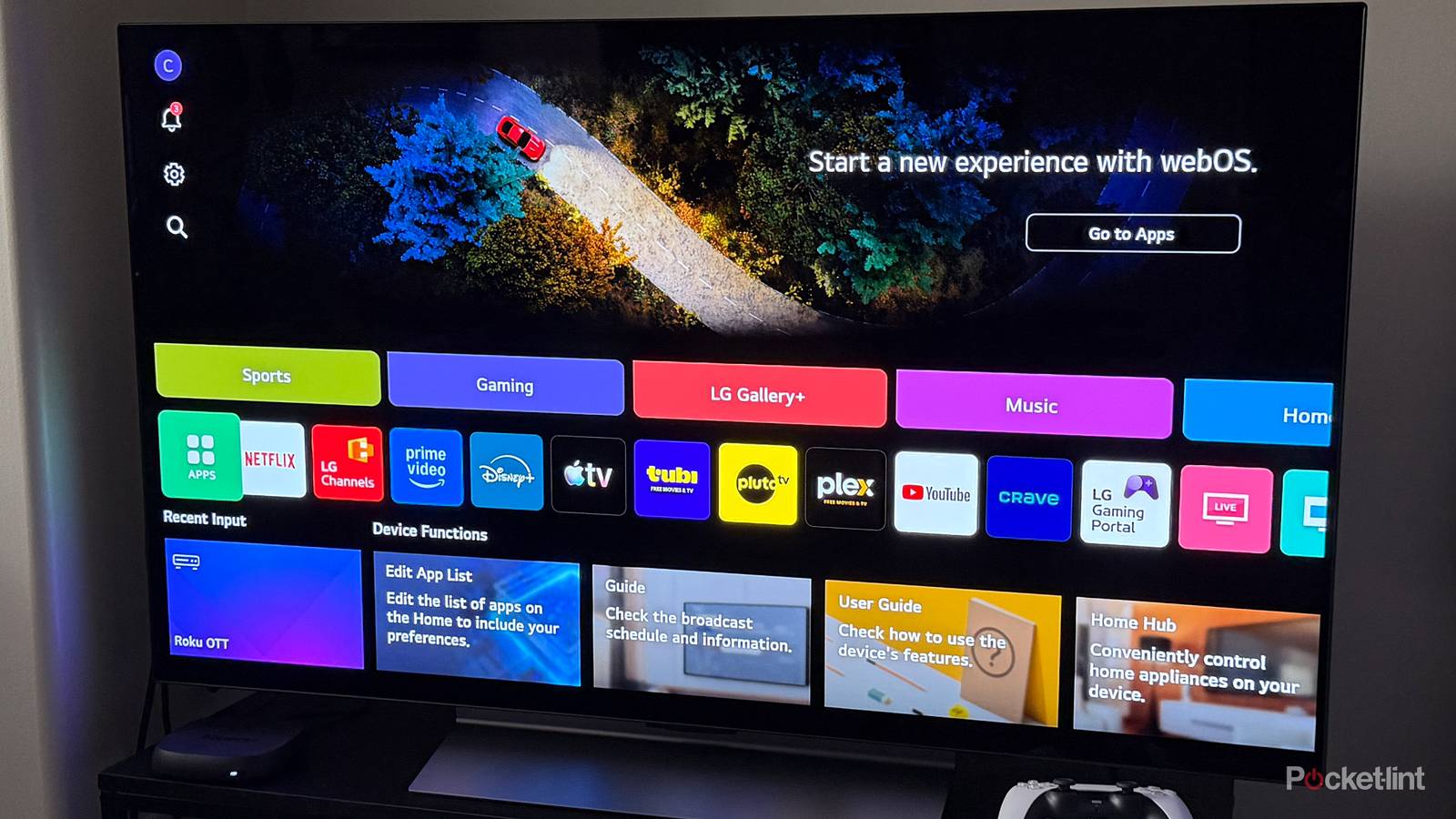
In an era where cutting-edge technology often comes with a hefty price tag, the allure of a pristine home theater experience can seem financially daunting. We invest in high-definition screens, powerful receivers, and sleek speaker systems, only to find that the audio, while good, doesn't quite deliver the immersive punch we envisioned. The common instinct is to reach for the wallet, eyeing expensive upgrades or entirely new components. However, what if we told you that some of the most impactful improvements to your home theater's sound quality could cost you absolutely nothing? This isn't a marketing gimmick; it's a testament to the power of understanding acoustics, speaker dynamics, and room interaction. PulseWorld delves into the often-overlooked, zero-cost strategies that can elevate your listening experience from satisfactory to truly spectacular.
The Unsung Heroes: Room Acoustics and Speaker Placement
Before you blame your speakers or receiver, consider the environment they operate in: your room. The physical space itself is perhaps the single most significant, yet frequently ignored, component of your audio system. Sound waves interact with every surface – walls, ceilings, floors, furniture – creating reflections, absorptions, and standing waves that can either enhance or degrade your audio. A common misconception is that more expensive speakers will magically overcome poor room acoustics. While premium speakers offer superior fidelity, their potential is severely hampered if they're placed incorrectly or if the room itself is working against them.
Historically, audiophiles have meticulously treated dedicated listening rooms with diffusers, absorbers, and bass traps, a practice that can be both complex and costly. However, even without specialized acoustic panels, significant improvements can be made. The "speaker-room interaction" is paramount. Speakers are designed to project sound in specific ways, and their distance from walls, corners, and even each other profoundly affects the soundstage, bass response, and clarity. For instance, placing speakers too close to a wall can artificially boost bass frequencies, making them boomy and undefined. Conversely, placing them too far out can thin out the lower end. The ideal scenario often involves a "triangular setup" where the listener forms an equilateral triangle with the two front speakers, with speakers angled slightly inward towards the listening position (toe-in). This creates a more focused and stable stereo image.
Furthermore, the height and angle of surround speakers are critical for a truly immersive experience. Dolby and DTS, the titans of surround sound technology, provide detailed guidelines for optimal speaker placement based on the number of channels (e.g., 5.1, 7.1, Atmos). Adhering to these, even with existing speakers, can dramatically transform a flat soundscape into a dynamic, enveloping sound field. Experimentation is key; a few inches here or there can make a world of difference. Don't be afraid to move furniture, pull speakers away from walls, or adjust their toe-in angle. This iterative process, though time-consuming, yields invaluable results.
Calibration: The Digital Maestro of Your Sound System
Modern home theater receivers are technological marvels, packed with sophisticated digital signal processing (DSP) capabilities. Many come equipped with "automatic room calibration systems" like Audyssey, YPAO, MCACC, or Dirac Live. These systems use a specialized microphone to measure the acoustic properties of your room, speaker distances, levels, and frequency responses. They then apply digital equalization and delay corrections to optimize the sound for your specific listening environment. Yet, surprisingly, many users either skip this crucial step or perform it incorrectly.
The historical context of calibration dates back to professional recording studios and cinemas, where precise acoustic tuning has always been fundamental. The democratization of this technology into consumer-grade receivers is a relatively recent phenomenon, making studio-quality optimization accessible to the average homeowner. Running the auto-calibration sequence is often as simple as plugging in the microphone, placing it at the main listening position, and following on-screen prompts. However, precision matters. Placing the microphone at multiple spots around the primary listening area, as recommended by most systems, provides a more accurate overall picture of the room's acoustics, leading to better correction. After the initial run, it's often beneficial to manually check and fine-tune the settings. For example, some systems might set subwoofer levels too high or apply an overly aggressive equalization curve. A discerning ear, combined with the data from the calibration, can lead to perfection.
Beyond auto-calibration, manually adjusting "speaker levels" and "crossover frequencies" can yield significant improvements. Crossover settings dictate where bass frequencies are redirected from smaller satellite speakers to the more capable subwoofer. Incorrect settings can lead to muddy bass or thin-sounding satellite speakers. A general rule of thumb is to set the crossover for small speakers (bookshelf or satellite) to around 80 Hz, allowing the subwoofer to handle the deep bass, which it is designed to do more efficiently. For larger, floor-standing speakers, the crossover might be lower or even set to "full range" if they can handle deep bass effectively. These adjustments, made within your receiver's menu, are entirely free and profoundly impactful.
Source Material and System Settings: The Often-Overlooked Details
Even with perfectly placed and calibrated speakers, the quality of your audio can be undermined by the source material itself or incorrect playback settings. In the digital age, we consume content from myriad sources: streaming services, Blu-rays, gaming consoles, and various audio formats. Each of these can have different audio tracks and encoding qualities. For instance, a streaming service might offer multiple audio options, such as Dolby Digital, DTS, or even higher-resolution formats like Dolby TrueHD or DTS-HD Master Audio. Ensuring your system is configured to receive and decode the highest quality available audio track is a fundamental, zero-cost upgrade.
This involves navigating the audio settings within your TV, streaming device, or gaming console. Many devices default to basic stereo or compressed surround sound formats. Changing the audio output to "bitstream" or "pass-through" allows your receiver to perform the decoding, which is almost always superior to having the source device decode it. This ensures that your receiver, with its dedicated audio processing capabilities, handles the heavy lifting, delivering the purest possible signal to your speakers. Furthermore, checking for "dynamic range compression" settings on your source devices or receiver is crucial. While useful for late-night listening (compressing loud sounds and boosting quiet ones), it can severely diminish the impact and realism of a cinematic soundtrack. Disabling it for critical listening sessions will unlock the full dynamic potential of your audio.
Another simple yet effective tweak involves ensuring all your audio cables are securely connected. A loose HDMI cable or speaker wire can introduce subtle distortions or even signal drops. A quick check and re-seating of all connections can resolve phantom issues and ensure optimal signal integrity. This attention to detail, while seemingly minor, collectively contributes to a more robust and transparent audio presentation.
The Human Element: Your Ears and Patience
Ultimately, the most sophisticated audio system is only as good as the ears listening to it. Developing a critical ear and having the patience to experiment are perhaps the most valuable, and certainly free, tools at your disposal. Audio perception is subjective, and what sounds "best" can vary from person to person. However, there are objective benchmarks for good sound: clarity, detail, dynamic range, a stable soundstage, and balanced frequency response. Training your ears to identify these qualities will empower you to make more informed adjustments.
Historically, the pursuit of audio perfection was an artisanal craft, requiring years of experience and a deep understanding of electronics and acoustics. While technology has simplified much of this, the fundamental principles remain. Dedicate time to listen to a variety of familiar content – music, movies, games – after each adjustment. Pay attention to dialogue clarity, the impact of bass, the spaciousness of surround effects, and the overall coherence of the sound. Keep a log of changes and their perceived effects. This iterative process of listening, adjusting, and re-listening is how true audio enthusiasts refine their systems.
In conclusion, while the market constantly tempts us with the next big audio innovation, the path to a truly exceptional home theater experience doesn't always require opening your wallet. By meticulously optimizing speaker placement, diligently calibrating your receiver, fine-tuning source settings, and most importantly, trusting your own ears and patience, you can unlock a level of audio fidelity you might not have thought possible from your existing setup. These zero-cost upgrades are not just minor tweaks; they are foundational principles that can transform your living room into a concert hall or a cinematic masterpiece, proving that sometimes, the best things in life, and in audio, are indeed free. The future of home entertainment lies not just in new hardware, but in the intelligent optimization of what we already possess.
Stay Informed
Get the world's most important stories delivered to your inbox.
No spam, unsubscribe anytime.
Comments
No comments yet. Be the first to share your thoughts!