Unlocking Cellular Secrets: How Glutathione and SLC33A1 Orchestrate Protein Folding and Disease Prevention
A groundbreaking discovery highlights the critical role of glutathione balance within the endoplasmic reticulum (ER), meticulously managed by the protein SLC33A1, in ensuring proper protein folding. This intricate cellular mechanism is not just fundamental to cell health but also a powerful defense against a myriad of debilitating diseases. Understanding this pathway opens new avenues for therapeutic interventions and a deeper comprehension of cellular resilience.
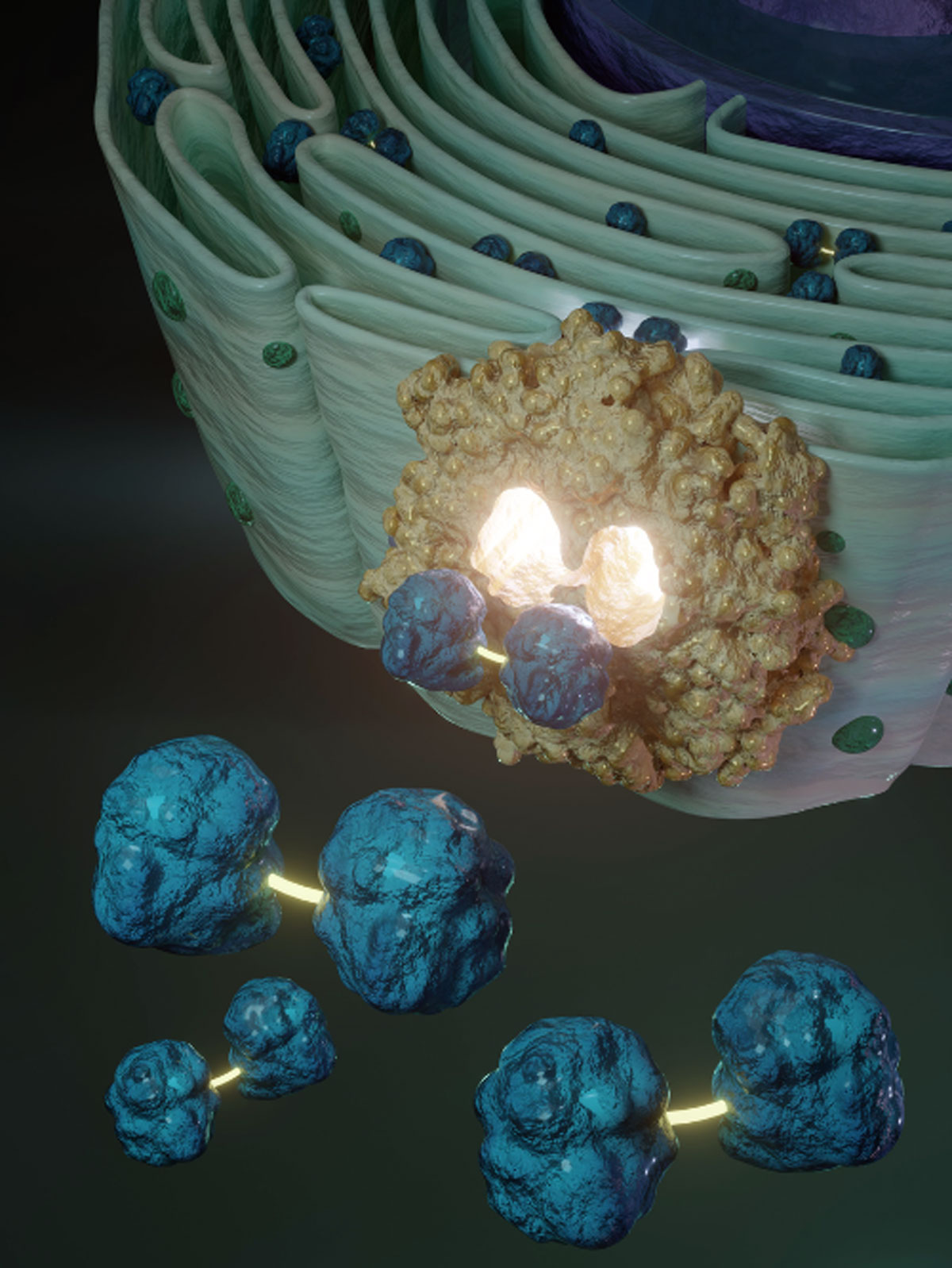
In the intricate universe of our cells, where countless processes unfold with astonishing precision, one particular discovery is shedding new light on the fundamental mechanisms of life and disease. Scientists have recently unveiled the crucial role of glutathione balance within the endoplasmic reticulum (ER), an organelle often described as the cell's protein factory. This delicate equilibrium, it turns out, is meticulously controlled by a protein called SLC33A1, and its proper functioning is absolutely essential for protein folding and, consequently, for preventing a wide array of diseases.
Imagine a complex origami project where every fold must be perfect for the final structure to be functional. In our cells, proteins are these intricate origami structures, and their correct three-dimensional shape, or 'folding,' dictates their ability to perform their specific tasks. A misfolded protein is not just useless; it can become toxic, aggregating and disrupting cellular processes, leading to severe pathologies. This new research, published in a leading scientific journal, pinpoints a master regulator of this vital process, offering unprecedented insights into cellular health and disease.
The Endoplasmic Reticulum: A Cellular Protein Factory Under Scrutiny
The endoplasmic reticulum (ER) is a sprawling network of membranes found in eukaryotic cells, playing a central role in the synthesis, folding, modification, and transport of proteins. It's a bustling hub where newly synthesized proteins are checked for quality before being dispatched to their final destinations. The ER's environment is highly specialized, distinct from the rest of the cell, particularly in its redox state – the balance between oxidizing and reducing agents. This redox environment is critical for the formation of disulfide bonds, which are covalent links between sulfur atoms in cysteine residues, crucial for stabilizing many protein structures.
For decades, scientists have known that the ER needs to maintain a specific oxidizing environment to facilitate disulfide bond formation. However, too much oxidation can be detrimental, leading to protein aggregation and ER stress. This delicate balance is where glutathione, one of the cell's most powerful and versatile antioxidants, steps in. Glutathione (GSH) is a tripeptide composed of glutamate, cysteine, and glycine, renowned for its ability to neutralize harmful reactive oxygen species (ROS), repair cellular damage, and participate in detoxification processes. Its presence and concentration within the ER are now understood to be far more critical than previously thought.
SLC33A1: The Unsung Hero of Glutathione Transport
The new research highlights SLC33A1 as the pivotal player in maintaining this critical glutathione balance within the ER. SLC33A1, a member of the solute carrier family of membrane transport proteins, was previously recognized for its role in transporting acetyl-CoA into the ER, a process involved in lipid metabolism and protein acetylation. However, its newly discovered function as a regulator of ER glutathione levels elevates its status significantly.
* Glutathione Homeostasis: SLC33A1 acts as a gatekeeper, controlling the influx or efflux of glutathione across the ER membrane. This precise regulation ensures that the ER maintains an optimal redox environment – not too oxidizing, not too reducing – for proteins to fold correctly. * Redox Buffer: By modulating glutathione levels, SLC33A1 effectively functions as a 'redox buffer,' protecting nascent proteins from oxidative damage during their folding process and preventing the accumulation of misfolded proteins. * Disease Link: Disruptions in SLC33A1's function or glutathione balance within the ER can lead to a cascade of cellular dysfunctions, contributing to the pathogenesis of various diseases.
This discovery underscores the intricate interplay between different cellular pathways and the profound impact of seemingly minor components on overall cellular health. It's a testament to the complexity and elegance of biological systems, where each element plays a finely tuned role.
The Far-Reaching Implications for Human Health
The implications of understanding the SLC33A1-glutathione-ER axis are vast and touch upon a wide spectrum of human diseases. Misfolded proteins are the hallmark of numerous debilitating conditions, often referred to as 'conformational diseases.'
* Neurodegenerative Diseases: Conditions like Alzheimer's, Parkinson's, and Huntington's diseases are characterized by the accumulation of misfolded and aggregated proteins in the brain. If SLC33A1 dysfunction leads to ER stress and protein misfolding, targeting this pathway could offer new therapeutic strategies to prevent or slow the progression of these devastating disorders. * Cystic Fibrosis: This genetic disorder is caused by mutations in the CFTR protein, leading to its misfolding and degradation before it can reach the cell surface to function properly. Enhancing ER protein folding capacity, potentially through modulating SLC33A1 or glutathione, could be a novel approach to improve CFTR processing. * Metabolic Disorders: The ER is also crucial for lipid synthesis and glucose metabolism. ER stress, often a consequence of protein misfolding, is implicated in insulin resistance and type 2 diabetes. Maintaining ER health through optimal glutathione balance could therefore have a positive impact on metabolic health. * Cancer: Cancer cells often exhibit altered redox states and increased protein synthesis, making them particularly vulnerable to ER stress. Understanding how SLC33A1 influences ER glutathione could reveal new targets for anti-cancer therapies, potentially by disrupting cancer cell protein folding machinery. * Aging: As we age, cellular processes become less efficient, and the accumulation of damaged or misfolded proteins is a significant contributor to cellular senescence and age-related diseases. Maintaining robust protein folding mechanisms through SLC33A1 and glutathione could be a key strategy for healthy aging.
This research doesn't just add another piece to the puzzle; it provides a foundational understanding that could unlock entirely new therapeutic avenues. Instead of merely treating symptoms, we might be able to address the root cause of many diseases by ensuring the cell's protein machinery operates flawlessly.
A New Horizon in Cellular Biology and Medicine
The discovery of SLC33A1's role in ER glutathione balance represents a significant leap forward in our understanding of cellular homeostasis and disease pathogenesis. It highlights the intricate dance between various cellular components and the profound impact of maintaining a delicate equilibrium for overall health. This is not merely an academic exercise; it has tangible implications for drug development and personalized medicine.
Future research will undoubtedly delve deeper into the precise mechanisms by which SLC33A1 transports glutathione, how its activity is regulated, and what specific downstream effects its dysregulation has in various disease models. Could we develop small molecules that modulate SLC33A1 activity? Could dietary interventions that boost glutathione levels specifically within the ER be beneficial? These are exciting questions that scientists will now be eager to explore.
As we continue to unravel the complexities of the human cell, discoveries like this remind us of the incredible sophistication of biological systems and the immense potential for scientific innovation to improve human health. The humble glutathione, guided by the newly recognized gatekeeper SLC33A1, stands as a testament to the power of cellular balance in the eternal fight against disease. This research paves the way for a new generation of therapies focused on restoring cellular harmony from within, promising a brighter future for patients worldwide.
Stay Informed
Get the world's most important stories delivered to your inbox.
No spam, unsubscribe anytime.
Comments
No comments yet. Be the first to share your thoughts!