US Escalates Iran Standoff with Port Blockade; Oil Prices Fluctuate Amid Dialogue Hopes
The United States has initiated a naval blockade of Iranian ports, a move that has drawn strong condemnation from Tehran and significantly heightened tensions in the Persian Gulf. This aggressive posture by the Trump administration, including threats against Iranian vessels, comes as global oil markets show volatility, with prices easing slightly on faint hopes of diplomatic resolution.
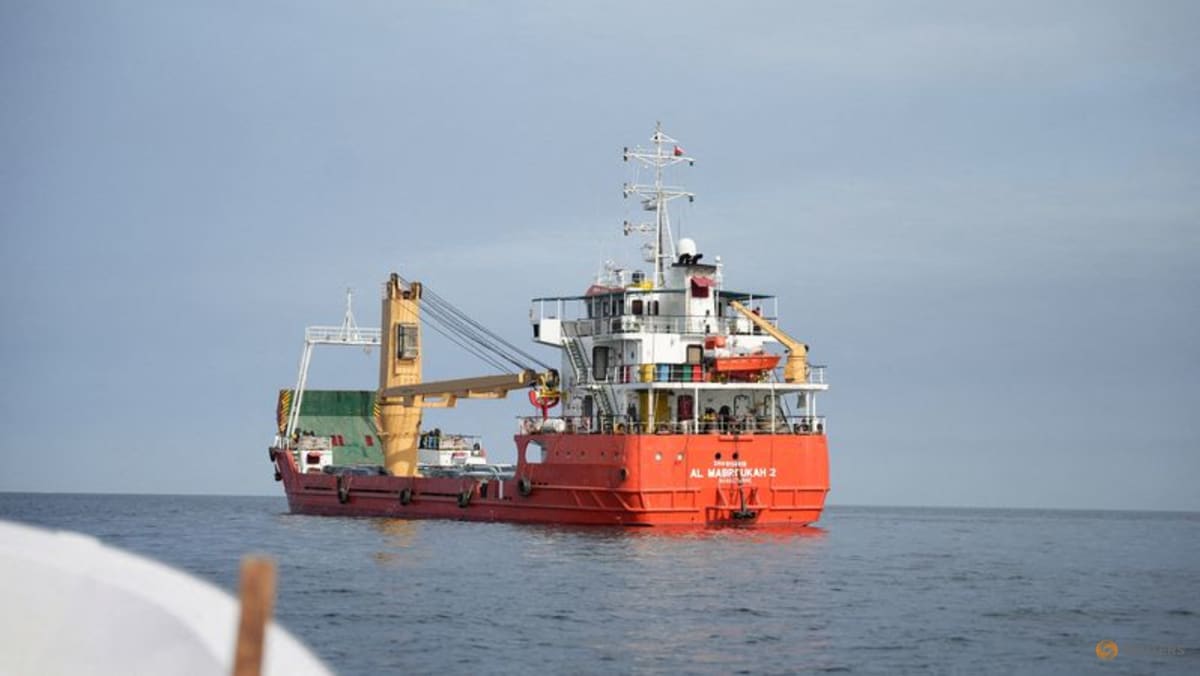
WASHINGTON D.C. – In a dramatic escalation of tensions, the United States military has commenced a naval blockade of Iranian ports, a move explicitly sanctioned by President Donald Trump. The White House announced that Washington would intercept Iranian vessels and any ships found to be paying tolls to Tehran, further stating that any Iranian “fast-attack” craft approaching the blockade would face immediate elimination. This aggressive stance has been met with fierce condemnation from Tehran, plunging the already volatile Persian Gulf region into deeper uncertainty.
The blockade, which began this week, represents a significant hardening of US policy towards Iran, following months of escalating rhetoric and economic sanctions. President Trump's administration has consistently accused Iran of destabilizing the Middle East through its nuclear program, support for regional proxies, and ballistic missile development. The latest action aims to cripple Iran's maritime trade, particularly its crucial oil exports, which are the lifeblood of its economy.
International observers are grappling with the implications of such a direct confrontation. The Strait of Hormuz, a narrow chokepoint through which a significant portion of the world's oil supply passes, is central to this crisis. Any disruption there could send shockwaves through the global economy. Iran has repeatedly threatened to close the strait in response to US pressure, a move that would have catastrophic consequences for global energy markets.
Paradoxically, despite the heightened military tensions, global oil prices have shown a degree of volatility, with benchmark prices briefly dipping below US$100 a barrel. This market reaction is largely attributed to lingering, albeit fragile, hopes for a diplomatic off-ramp to the conflict. Reports of back-channel communications and potential mediation efforts by European powers and other regional actors have provided a glimmer of optimism that a full-blown military conflict might yet be averted. However, analysts warn that these hopes are tenuous and could be shattered by any miscalculation or aggressive act in the Gulf.
Experts from think tanks and former diplomats have voiced concerns about the lack of clear communication channels between Washington and Tehran, increasing the risk of unintended escalation. "The current situation is fraught with danger," stated Dr. Eleanor Vance, a Middle East policy expert at the Carnegie Endowment. "Both sides are operating with high stakes and deeply entrenched positions. The absence of direct dialogue makes de-escalation incredibly difficult, and the potential for a regional conflagration is very real."
Tehran, for its part, has vowed to resist the blockade, calling it an act of economic warfare and a violation of international law. Iranian officials have reiterated their right to free navigation and have warned of a "crushing response" to any aggression. The coming days and weeks will be critical in determining whether diplomacy can prevail over the brinkmanship, or if the Persian Gulf is destined for a more perilous chapter.