US-Germany Rift Deepens: 5,000 Troops Withdrawn Amid Iran Spat and Shifting Alliances
The United States is set to withdraw 5,000 troops from Germany, a move that signals a significant deepening of tensions between the two long-standing allies. This decision comes amidst a heated dispute between President Donald Trump and German Chancellor Friedrich Merz, primarily over their divergent approaches to the escalating conflict with Iran. The troop reduction reflects a broader reevaluation of transatlantic security arrangements and could have profound implications for NATO and European stability.
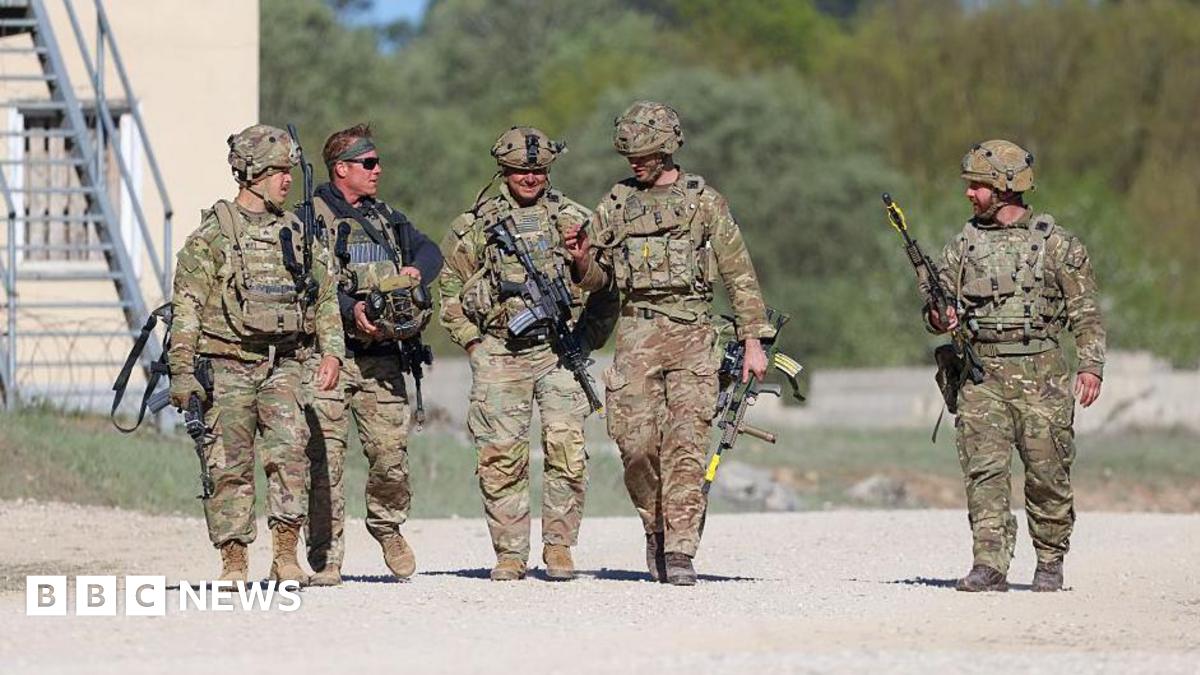
The bedrock of transatlantic security, forged in the ashes of World War II, is showing significant cracks. In a move that reverberates across diplomatic and military circles, the US Department of Defense has announced plans to withdraw 5,000 troops from Germany. This decision is not merely a logistical adjustment; it is a stark manifestation of a deepening rift between Washington and Berlin, fueled by a contentious spat between US President Donald Trump and German Chancellor Friedrich Merz, particularly concerning the volatile situation with Iran. The implications of such a significant troop reduction extend far beyond bilateral relations, touching upon the very foundation of NATO and the future of European defense.
A Transatlantic Alliance Under Strain
The relationship between the United States and Germany has long been a cornerstone of Western stability, characterized by shared democratic values, economic interdependence, and a unified front against global threats. However, under the Trump administration, this alliance has been subjected to unprecedented strain. From disputes over trade tariffs to Germany's defense spending within NATO, and now, a fundamental disagreement on foreign policy regarding Iran, the once-unshakeable bond appears increasingly fragile. Chancellor Merz, a vocal critic of Trump's unilateral approach to international relations, has frequently emphasized the importance of multilateralism and diplomatic engagement, a stark contrast to the US's more confrontational stance.
This troop withdrawal announcement follows a period of escalating rhetoric. President Trump has repeatedly criticized Germany for what he perceives as insufficient contributions to NATO's collective defense, often citing Germany's failure to meet the alliance's target of spending 2% of its GDP on defense. While Germany has made efforts to increase its defense budget, it has not yet reached the 2% threshold, a point of continuous contention for Washington. The withdrawal, therefore, can be interpreted as a punitive measure, designed to pressure Germany into greater compliance or to signal a broader strategic pivot away from traditional European commitments.
The Iran Conundrum: A Point of No Return?
The immediate catalyst for this troop reduction appears to be the profound disagreement over Iran. The US's withdrawal from the Joint Comprehensive Plan of Action (JCPOA), commonly known as the Iran nuclear deal, in 2018, was met with strong disapproval from Germany and other European allies. While Washington has since pursued a policy of "maximum pressure" through sanctions and military posturing, Berlin, along with Paris and London, has consistently advocated for preserving the deal and engaging Iran diplomatically. Chancellor Merz has been particularly outspoken, arguing that isolating Iran completely risks further destabilizing the Middle East and could inadvertently push Tehran towards developing nuclear weapons.
President Trump, on the other hand, views the JCPOA as fundamentally flawed and believes that robust sanctions and a strong military deterrent are the only ways to curb Iran's nuclear ambitions and regional aggression. The decision to withdraw troops from Germany, a key staging ground for US operations in the Middle East and Africa, could be seen as a strategic realignment, perhaps to concentrate forces elsewhere or to signal a reduced commitment to a European partner perceived as uncooperative on critical foreign policy issues. This divergence on Iran highlights a fundamental schism in strategic thinking: Washington's preference for unilateral pressure versus Berlin's commitment to multilateral diplomacy.
Geopolitical Repercussions and NATO's Future
The withdrawal of 5,000 US troops from Germany carries significant geopolitical weight. Germany currently hosts the largest contingent of US forces in Europe, serving as a vital logistical hub, training ground, and command center for operations across the continent and beyond. The Ramstein Air Base, for instance, is a critical component of US air power projection, while the US Army Garrison Wiesbaden houses the headquarters of US Army Europe. Reducing this presence will undoubtedly impact military readiness, logistical capabilities, and the overall deterrent posture of NATO in Eastern Europe, particularly given Russia's continued assertiveness.
* Impact on NATO's Eastern Flank: A reduced US presence in Germany could necessitate a redistribution of forces, potentially increasing the burden on other European allies or creating perceived vulnerabilities on NATO's eastern borders. Countries like Poland and the Baltic states, which rely heavily on US security guarantees, will be watching these developments closely. * European Strategic Autonomy: This move might accelerate Europe's push for greater strategic autonomy and self-reliance in defense. While Chancellor Merz has historically supported a strong transatlantic link, the current circumstances could force Germany and its European partners to invest more heavily in their own defense capabilities and coordination, potentially leading to a more independent European defense identity. * Symbolic Blow to Alliance: Beyond the practical military implications, the troop withdrawal is a powerful symbolic blow to the transatlantic alliance. It signals a weakening of trust and shared purpose, potentially emboldening adversaries and sowing discord within the Western bloc. The long-term consequences for NATO's cohesion and effectiveness could be profound.
Germany's Response and Future Pathways
Chancellor Merz and the German government have expressed regret and concern over the US decision, emphasizing Germany's continued commitment to the alliance and its role as a reliable partner. While Germany has consistently sought to de-escalate tensions, the current situation presents a formidable challenge. Berlin now faces the complex task of navigating a strained relationship with its most important security guarantor while simultaneously addressing its own defense needs and upholding its diplomatic principles.
Germany's options include: continuing to lobby Washington for a reversal of the decision, increasing its own defense spending more rapidly to fill potential gaps, or deepening military cooperation with other European partners. The decision could also serve as a wake-up call for Europe to accelerate its efforts towards a more integrated and capable common defense policy. The coming months will be crucial in determining whether this troop withdrawal marks a temporary setback or a fundamental reordering of the transatlantic security landscape. The world watches as the pillars of the post-war order continue to shift, with uncertain consequences for global stability.
Conclusion: A New Chapter for Transatlantic Relations
The announced withdrawal of 5,000 US troops from Germany is more than just a military redeployment; it is a potent symbol of the evolving, and increasingly strained, relationship between two pivotal Western powers. Driven by divergent views on Iran and broader strategic priorities, this decision challenges the very notion of a unified transatlantic front. As Germany grapples with the implications and Europe considers its strategic future, the episode underscores a critical juncture in international relations. The path forward demands careful diplomacy, strategic foresight, and a renewed commitment to shared values, lest the cracks in the alliance widen into an irreparable chasm. The future of NATO, European security, and indeed, global stability, hinges on how these challenges are addressed in the turbulent years ahead.
Stay Informed
Get the world's most important stories delivered to your inbox.
No spam, unsubscribe anytime.
Comments
No comments yet. Be the first to share your thoughts!