US Tightens Sanctions: Waiver on Russian and Iranian Oil Sales Ends, Global Markets Brace
The United States has announced it will not extend the temporary waiver that permitted the sale of Russian and Iranian oil already at sea, signaling a significant escalation in its sanctions policy. Treasury Secretary Scott Bessent confirmed the move, which aims to further isolate Moscow and Tehran from global energy markets. This decision is expected to send ripples through international oil prices, supply chains, and geopolitical alliances, forcing nations to re-evaluate their energy sourcing and diplomatic stances.
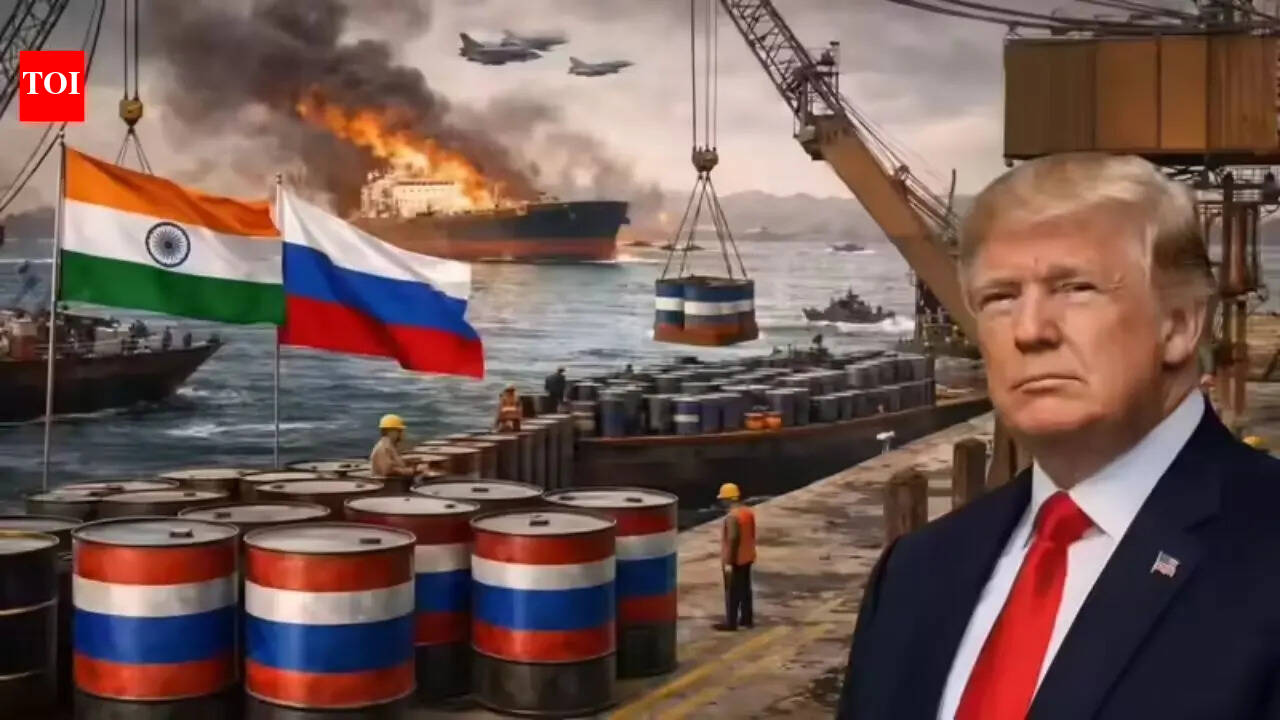
In a move poised to send significant ripples across global energy markets and geopolitical landscapes, the United States has declared its intent not to renew a temporary waiver that had permitted the sale of Russian and Iranian oil already at sea. Treasury Secretary Scott Bessent confirmed the decision on Wednesday, signaling a definitive tightening of the Biden administration's sanctions approach against both Moscow and Tehran. This policy shift underscores a renewed commitment to isolating these nations economically, with far-reaching implications for international trade, energy security, and diplomatic relations.
The waiver, initially introduced under specific circumstances, allowed for a grace period for transactions involving oil that was already in transit when previous sanctions took effect. Its non-renewal means that any such cargoes, regardless of their origin or prior sale agreements, will now fall under the full weight of US sanctions, effectively blocking their entry into legitimate international markets. This development is not merely a technical adjustment; it represents a strategic escalation designed to exert maximum economic pressure, particularly as the conflict in Ukraine continues and Iran's nuclear program remains a point of international contention.
The Geopolitical Chessboard: Russia and Iran's Energy Lifelines
For years, both Russia and Iran have leveraged their vast hydrocarbon reserves as critical tools of foreign policy and economic survival. Russia, a major global oil and gas exporter, has faced a barrage of sanctions since its full-scale invasion of Ukraine in February 2022. The G7 price cap, alongside various import bans, has aimed to curtail Moscow's ability to fund its war effort. However, Russia has demonstrated remarkable resilience, rerouting its oil exports to new markets, particularly in Asia, often at discounted prices. The temporary waiver's existence, while limited, offered a sliver of flexibility that allowed some Russian oil to find its way to buyers who might otherwise have been deterred by the immediate threat of sanctions.
Iran, on the other hand, has been under stringent US sanctions for decades, primarily due to its nuclear program and support for regional proxy groups. Despite these pressures, Iran has maintained a clandestine, yet robust, oil export network, often relying on illicit shipping practices and opaque financial transactions. The 'oil at sea' waiver might have inadvertently provided a slight, albeit temporary, easing of pressure on some Iranian cargoes, allowing them to complete their journeys without immediate US intervention. The cessation of this waiver now closes even this narrow window, intensifying the financial squeeze on Tehran and potentially exacerbating its economic woes.
Economic Fallout: Who Pays the Price?
The immediate impact of this decision is likely to be felt in global oil markets. While the volume of oil covered by the waiver might not be enormous in the grand scheme of daily global consumption, its removal introduces an additional layer of uncertainty and supply constraint. Oil prices, already volatile due to geopolitical tensions, OPEC+ decisions, and demand fluctuations, could see an upward push. Traders and refiners will have to navigate a more complex and risk-laden environment, potentially leading to higher costs for consumers worldwide.
India and China, two of the world's largest energy consumers, have been significant buyers of discounted Russian and, to a lesser extent, Iranian oil. While their primary purchases are direct and often outside the scope of such waivers, the overall tightening of the market could affect their negotiating power and increase their energy import bills. For European nations, which have largely weaned themselves off Russian energy, the impact might be less direct but could still manifest through higher global benchmark prices.
Furthermore, the move could complicate shipping and insurance markets. Companies involved in transporting oil will face heightened scrutiny and increased compliance costs. The risk of secondary sanctions for entities found to be facilitating the sale of sanctioned oil will rise, potentially leading to a shortage of willing carriers and insurers for certain routes and cargoes. This 'chilling effect' could further constrict the flow of oil from Russia and Iran, even to nations not directly adhering to US sanctions, due to the global dominance of Western financial and insurance systems.
The Broader Strategic Implications
This policy shift by the US is not just about oil; it's a clear signal of its unwavering commitment to its strategic objectives. For Russia, it aims to further degrade its capacity to wage war in Ukraine by limiting its revenue streams. For Iran, it seeks to curb its nuclear ambitions and destabilizing activities in the Middle East. However, such aggressive economic measures are not without their risks and potential unintended consequences.
One significant risk is the potential for further fragmentation of the global financial and trading system. As the US tightens its grip, Russia and Iran, along with their allies, may accelerate efforts to develop alternative payment systems, shipping routes, and insurance mechanisms that bypass Western dominance. This could lead to the emergence of parallel economic blocs, making future international cooperation on issues like climate change or pandemic response more challenging.
Another consideration is the humanitarian impact. Economic sanctions, while targeting regimes, often have a disproportionate effect on civilian populations. In Iran, where the economy is already struggling, further pressure could exacerbate social unrest and hardship. The US administration will need to carefully balance its strategic goals with humanitarian concerns, ensuring that sanctions are as targeted as possible.
Looking Ahead: A Tighter Squeeze and Global Realignments
The non-renewal of the temporary waiver marks a new chapter in the US's sanctions policy against Russia and Iran. It signifies a move towards a more uncompromising stance, aiming to leave no stone unturned in its efforts to cut off their access to international markets. The immediate future will likely see a period of adjustment in global energy flows, with potential price volatility and increased scrutiny on all oil transactions.
Nations that have continued to engage with Russia and Iran for energy supplies will face renewed pressure to diversify their sources or risk secondary sanctions. This could accelerate the global energy transition away from fossil fuels, as countries seek greater energy independence and resilience. Ultimately, this decision by the US is a powerful declaration that the economic squeeze on Moscow and Tehran is set to intensify, with profound and lasting implications for the global economy and international relations for years to come. The world watches to see how these two nations, and the global markets, will adapt to this heightened pressure.
Stay Informed
Get the world's most important stories delivered to your inbox.
No spam, unsubscribe anytime.
Comments
No comments yet. Be the first to share your thoughts!