US Troop Withdrawal from Germany: A Deep Dive into Transatlantic Tensions and Geopolitical Shifts
The Pentagon's announcement to withdraw 5,000 troops from Germany signals a significant escalation in transatlantic friction, particularly concerning the Iran conflict. This move, driven by perceived 'failure to provide support' from European allies, could reshape NATO's strategic posture and empower adversaries. We explore the historical context, immediate implications, and future challenges for US-European relations and global security.
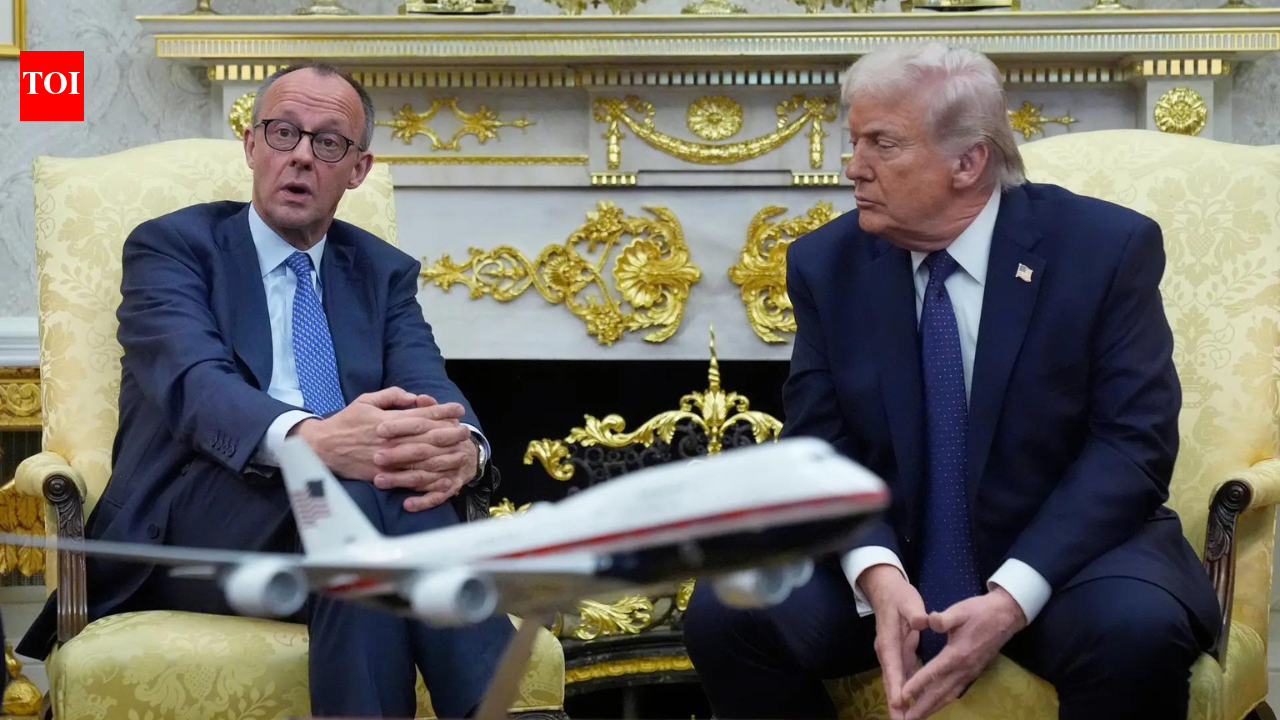
The tremors of a geopolitical shift are once again reverberating across the Atlantic, as the Pentagon confirmed plans to withdraw approximately 5,000 U.S. troops from Germany. This decision, announced amidst rising tensions between Washington and its European allies, particularly over the Iran nuclear deal and broader security cooperation, marks a critical juncture in a relationship forged in the crucible of post-World War II reconstruction and Cold War solidarity. Far from a mere logistical adjustment, this troop drawdown is a potent symbol of deepening rifts and a re-evaluation of long-standing alliances, carrying profound implications for NATO, European security, and the global balance of power.
A History of Shifting Sands: The US Military Presence in Germany
For over seven decades, Germany has served as the cornerstone of the U.S. military presence in Europe, a strategic hub for operations across the continent, Africa, and the Middle East. At its peak during the Cold War, hundreds of thousands of American service members were stationed in West Germany, a bulwark against Soviet expansion. Bases like Ramstein Air Base, Spangdahlem Air Base, and the U.S. Army Garrison Wiesbaden became synonymous with American commitment to European defense. This presence was not just about military might; it was a visible manifestation of a shared commitment to democratic values, collective security, and economic prosperity. The troops provided a rapid reaction force, extensive logistical support, and a vital training ground, contributing significantly to NATO's deterrent capabilities. However, post-Cold War, troop numbers have steadily declined, reflecting a changing threat landscape and evolving U.S. strategic priorities. The current decision, however, is distinct from previous drawdowns, as it is explicitly linked to political disagreements rather than solely strategic re-alignments.
The Iran Conundrum: A Catalyst for Discord
At the heart of the current friction lies the Joint Comprehensive Plan of Action (JCPOA), commonly known as the Iran nuclear deal. The Trump administration's unilateral withdrawal from the agreement in 2018, followed by the re-imposition of stringent sanctions on Tehran, put Washington on a collision course with its European partners – notably Germany, France, and the UK – who remained committed to the deal. European leaders argued that the JCPOA, despite its flaws, was the best mechanism to prevent Iran from developing nuclear weapons and urged de-escalation through diplomacy. The U.S., however, pursued a policy of "maximum pressure," demanding European allies fall in line. This divergence created significant economic and diplomatic strain. The Pentagon's rationale for the troop withdrawal, citing Europe's "failure to provide support" in confronting Iran, underscores the depth of this policy chasm. It suggests a punitive measure, a message that Washington expects unwavering alignment from its allies, even on issues where their strategic interests diverge.
Immediate Implications and Strategic Repercussions
The withdrawal of 5,000 troops, while a fraction of the total U.S. forces in Germany (currently around 34,500), is far from insignificant. It sends a chilling message to both allies and adversaries. For NATO, the move raises questions about the alliance's cohesion and its ability to project a united front. Germany, a major financial contributor to NATO and a critical logistical hub, now faces a reduction in its defensive capabilities and a potential loss of influence. The withdrawal could weaken NATO's eastern flank, potentially emboldening Russia, which has long sought to exploit divisions within the alliance. Furthermore, it complicates the U.S.'s ability to rapidly deploy forces to other theaters, such as the Middle East or Africa, where German bases serve as crucial staging points. The economic impact on German communities hosting these bases, which have benefited from American spending and employment, will also be felt. More broadly, it signals a potential shift in U.S. foreign policy towards a more transactional approach to alliances, where military presence is leveraged as a bargaining chip rather than a shared commitment to collective security.
Expert Analysis: A Blow to Transatlantic Trust
Security analysts and foreign policy experts are largely in agreement that this move represents a significant blow to transatlantic trust. Dr. Evelyn Farkas, a former Deputy Assistant Secretary of Defense for Russia, Ukraine, and Eurasia, remarked, "This is not about military strategy; it's about politics. It's a punishment for Germany's perceived lack of cooperation on Iran and defense spending." Indeed, the issue of defense spending has been another persistent point of contention, with successive U.S. administrations urging European NATO members to meet the 2% of GDP target. While Germany has increased its defense budget, it has yet to reach the target, drawing criticism from Washington. This troop withdrawal could be seen as an attempt to exert pressure, but many argue it risks alienating a key ally rather than fostering greater burden-sharing. The long-term consequences could include a more independent European defense policy, potentially leading to a more fragmented Western alliance system.
The Path Forward: Rebuilding Bridges or Widening the Chasm?
The decision to withdraw troops from Germany is not merely a tactical adjustment; it's a strategic inflection point. The immediate future will likely see intense diplomatic efforts to manage the fallout, but the underlying tensions are unlikely to dissipate quickly. For Europe, this move necessitates a serious re-evaluation of its defense capabilities and its reliance on the U.S. security umbrella. Discussions around European strategic autonomy are likely to gain renewed momentum. For the U.S., the challenge will be to balance its national interests with the imperative of maintaining strong alliances, which have historically been a source of immense power and influence. The global landscape is increasingly complex, with rising challenges from state and non-state actors alike. A fragmented Western alliance, weakened by internal disputes, risks empowering adversaries and undermining collective efforts to address global threats. Rebuilding trust will require sustained dialogue, a recognition of diverse interests, and a renewed commitment to shared values, rather than unilateral actions that alienate long-standing partners. The path ahead is fraught with uncertainty, but one thing is clear: the transatlantic relationship is entering a new, more unpredictable chapter.
Conclusion: A New Era for Transatlantic Relations
The withdrawal of U.S. troops from Germany is more than a military redeployment; it's a stark indicator of the evolving and increasingly strained relationship between the United States and its European allies. Fueled by disagreements over Iran, defense spending, and a broader shift in U.S. foreign policy, this decision threatens to undermine the very foundations of NATO and decades of transatlantic cooperation. As the world grapples with complex geopolitical challenges, the need for a united and cohesive Western alliance is paramount. The coming years will determine whether this move is a temporary setback that can be overcome through renewed diplomacy and shared purpose, or if it marks the beginning of a more profound and lasting divergence, reshaping the global security architecture for generations to come. The implications for international stability, collective defense, and the future of Western leadership are immense, demanding careful consideration and strategic foresight from all parties involved.
Stay Informed
Get the world's most important stories delivered to your inbox.
No spam, unsubscribe anytime.
Comments
No comments yet. Be the first to share your thoughts!