Vatican Under Surveillance: US Intelligence Allegations Rock Holy See-Washington Relations
A new report has ignited a diplomatic firestorm, alleging intensified US intelligence activities targeting Pope Leo XIV and the Holy See. These claims surface amid escalating tensions between the Vatican and Washington, fueled by former President Trump's sharp criticisms of the pontiff. The revelations raise profound questions about the delicate balance between global political power and religious authority, threatening to destabilize international relations.
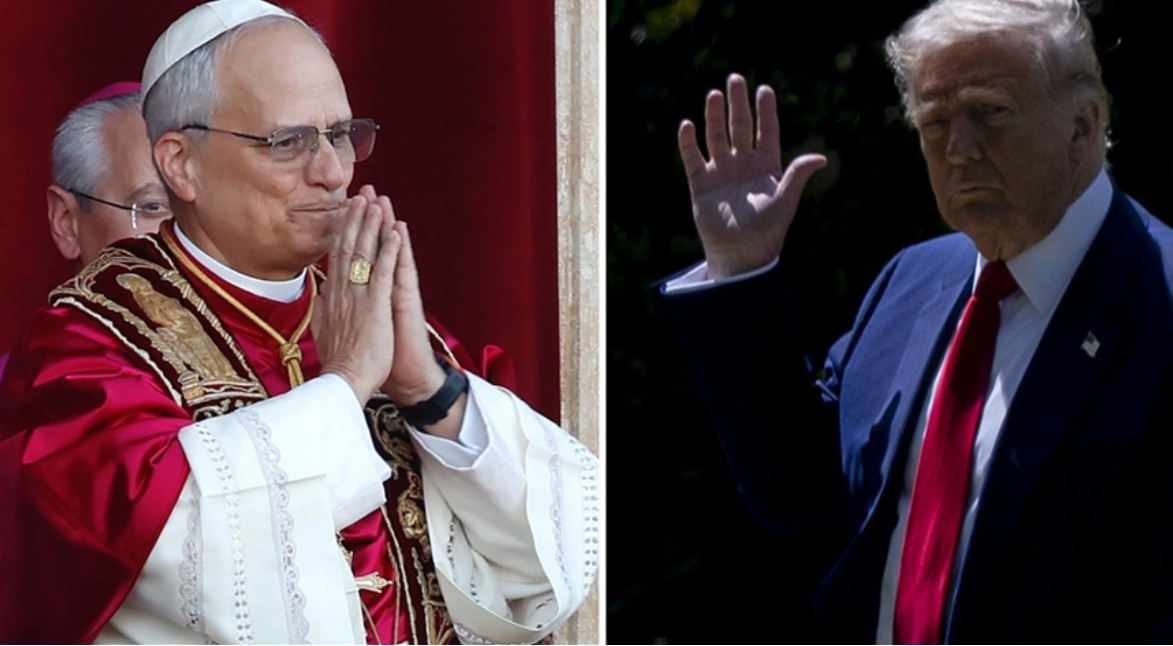
Vatican City, April 26, 2026: A chilling report has sent shockwaves through the hallowed halls of the Vatican and reverberated across international diplomatic circles. Allegations have surfaced, suggesting a significant intensification of United States intelligence activities directly targeting Pope Leo XIV and the Holy See. This explosive revelation comes at a particularly fraught moment, following a period of unprecedented public criticism directed at the pontiff by former US President Donald Trump, casting a long shadow over the already complex relationship between global political power and religious authority.
The claims, detailed in an investigative report by an unnamed European intelligence consortium, paint a disturbing picture of surveillance operations, including alleged electronic eavesdropping and infiltration attempts within Vatican networks. While specific details remain cloaked in secrecy, the report hints at concerns within Washington regarding the Vatican's growing influence on global political issues, particularly its stance on climate change, international migration, and burgeoning diplomatic ties with nations often at odds with US foreign policy objectives. If true, these allegations represent a profound breach of trust and a dangerous escalation in the often-strained dance between secular governance and spiritual leadership.
A History of Intrigue: The Vatican and Geopolitics
The Holy See, a sovereign entity with unparalleled moral authority and a global diplomatic network, has long been a subject of interest for intelligence agencies worldwide. From the Cold War era, where the Vatican played a crucial, albeit often covert, role in resisting Soviet communism, to its contemporary efforts in peace mediation and humanitarian diplomacy, its influence extends far beyond its physical borders. The idea of the Vatican as a target for surveillance is not entirely new; historical accounts and declassified documents have occasionally hinted at such activities by various nations. However, the alleged scale and intensity of the current operations, particularly against a sitting Pope, mark a significant departure.
Previous instances of alleged intelligence gathering, such as during the pontificate of Pope John Paul II, were often framed within the context of geopolitical rivalry, seeking insights into the Church's strategies against totalitarian regimes. What makes the current allegations particularly concerning is the apparent targeting of the pontiff himself and the timing, coinciding with a period of overt political antagonism. This suggests a potential shift from intelligence gathering for strategic understanding to a more aggressive posture, possibly aimed at influencing or even undermining the Vatican's diplomatic autonomy.
Trump's Criticisms and the Widening Rift
The backdrop to these allegations is a period of open hostility between former President Donald Trump and Pope Leo XIV. Trump, known for his populist rhetoric and 'America First' foreign policy, has repeatedly voiced strong disapproval of the Pope's progressive stances. His criticisms have ranged from the Pope's encyclicals on environmental protection, which Trump dismissed as 'political meddling,' to the Vatican's advocacy for refugee rights, which Trump characterized as 'naive and dangerous.' These public rebukes broke with traditional diplomatic decorum, which typically sees US presidents maintaining a respectful distance from direct criticism of the pontiff.
Sources close to the Vatican indicate that these public attacks have been deeply unsettling, viewed not merely as political disagreements but as a direct challenge to the Church's moral authority and its role as a global advocate for peace and justice. The alleged intelligence activities, if confirmed, would transform these political disagreements into a far more serious matter of national security and sovereignty, raising the specter of a deliberate campaign to exert pressure on the Holy See.
Implications for International Diplomacy and Religious Freedom
The implications of these allegations are profound and far-reaching. Firstly, they threaten to severely damage the already strained relationship between the United States and the Vatican. The Holy See, while not a military power, wields immense soft power, influencing millions globally. A breakdown in relations with Washington could complicate diplomatic efforts on numerous fronts, from conflict resolution to human rights advocacy.
Secondly, these claims raise serious questions about the principle of religious freedom and the sovereignty of religious institutions. If a global superpower is actively targeting the head of a major world religion, it sets a dangerous precedent for other nations and could embolden authoritarian regimes to increase their surveillance and control over religious bodies within their borders. This could have a chilling effect on religious leaders' ability to speak truth to power without fear of reprisal or intrusion.
Thirdly, the alleged intelligence operations could undermine the Vatican's unique position as a neutral mediator in international conflicts. Its ability to facilitate dialogue often hinges on its perceived impartiality and trustworthiness. If it is seen as a target of espionage by one of the world's leading powers, its credibility as a non-aligned actor could be severely compromised, hindering future peace initiatives.
The Path Forward: Denials, Demands, and Diplomatic Fallout
As expected, the US State Department has issued a terse denial, stating that the United States 'does not and has never engaged in intelligence activities targeting the Holy Father or the sovereign territory of the Vatican City State.' However, such blanket denials are often met with skepticism in the intelligence community. The Vatican, while refraining from direct public accusation, has reportedly initiated an internal investigation and is expected to lodge a formal diplomatic protest, demanding clarification and assurances from Washington.
International bodies and human rights organizations are already calling for transparency and accountability. Experts suggest that if the allegations gain further traction, they could lead to a significant diplomatic crisis, potentially involving recalls of ambassadors and a freeze in high-level engagements. The incident serves as a stark reminder of the ever-present tension between state interests and the autonomy of non-state actors, particularly those with global moral influence.
In the coming weeks, the world will watch closely as this drama unfolds. The alleged surveillance of Pope Leo XIV is not merely a political spat; it is a critical test of international norms, the respect for religious sovereignty, and the delicate balance of power in a rapidly changing global landscape. The outcome will undoubtedly shape the future of diplomatic engagement between the world's leading secular power and its most enduring spiritual authority, with potential repercussions for billions of people worldwide.
Stay Informed
Get the world's most important stories delivered to your inbox.
No spam, unsubscribe anytime.
Comments
No comments yet. Be the first to share your thoughts!