Vertical Farming's Next Frontier: How Growy is Redefining Fresh Produce Supply in Europe
Vertical farming company Growy is revolutionizing the fresh produce market in the Netherlands, supplying 500 Jumbo stores from a single 7,500m² facility in Amsterdam. This ambitious venture required extensive testing and innovation to compete head-on with conventional agriculture. Their success signals a significant shift towards sustainable, locally sourced food systems, challenging traditional supply chains and offering a glimpse into the future of food production.
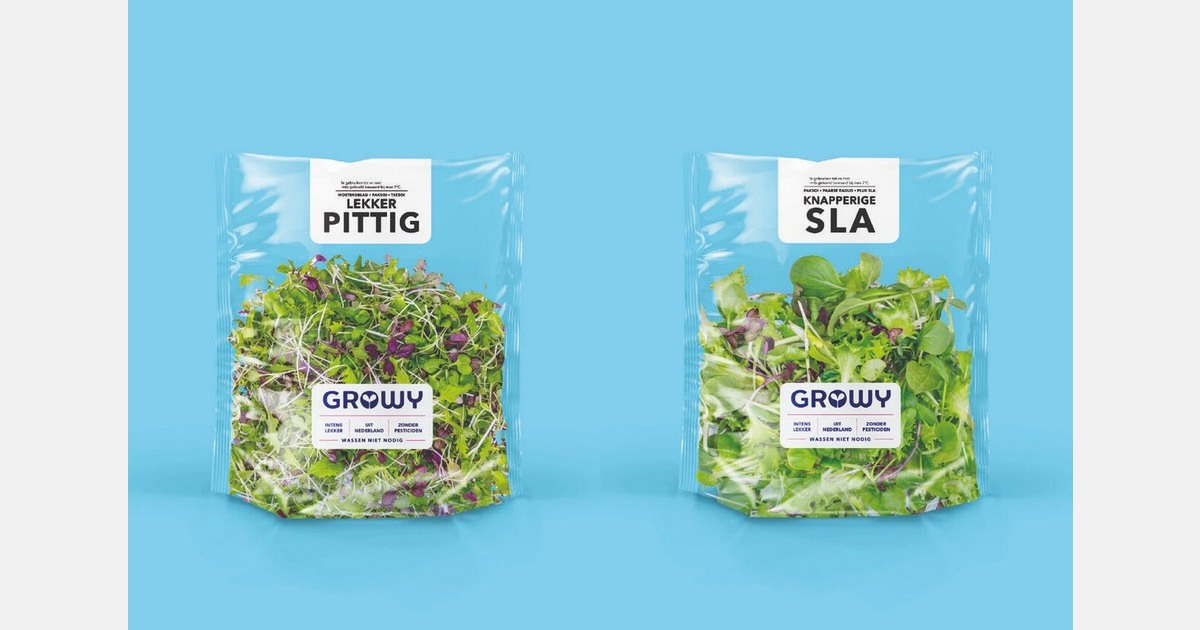
In an era increasingly defined by climate concerns, supply chain vulnerabilities, and a growing demand for fresh, locally sourced food, the agricultural landscape is undergoing a profound transformation. At the forefront of this revolution is vertical farming, a method that promises to decouple food production from traditional land and climate constraints. While the concept has been lauded for its potential, its practical scalability and economic viability have often been questioned. Enter Growy, an Amsterdam-based vertical farm that is not just proving the concept but is actively disrupting the Dutch fresh produce market, supplying an astounding 500 Jumbo supermarkets nationwide from a single, 7,500m² facility. This audacious endeavor, once considered a logistical and horticultural pipe dream, is now a tangible reality, marking a significant milestone in the journey towards sustainable food systems.
The Audacious Vision: Competing Head-On
The ambition behind Growy's operation was never modest. As the source material highlights, their explicit goal was to "compete head-on with conventional produce." This wasn't merely about growing greens indoors; it was about achieving price parity, consistent quality, and reliable volume at a national scale. The challenge was immense. Supplying 500 stores, each demanding fresh, high-quality produce daily, from a single urban farm required an unprecedented level of planning, technological integration, and horticultural expertise. The journey began with a year of intensive regional testing, meticulously refining growing protocols, optimizing environmental controls, and ensuring that their produce met the stringent quality and taste expectations of Dutch consumers. This period of iterative improvement was crucial, allowing Growy to incrementally boost yield, reduce energy consumption, and perfect their logistics chain.
Traditionally, fresh produce travels hundreds, if not thousands, of kilometers from large-scale conventional farms to urban centers. This long journey contributes to significant food waste, increased carbon emissions, and often a compromise on freshness. Growy's model, by contrast, drastically shortens the supply chain. Their Amsterdam farm acts as a central hub, enabling rapid distribution to stores across the Netherlands. This proximity not only ensures unparalleled freshness but also significantly reduces transportation costs and environmental impact, offering a compelling alternative to conventional import-heavy supply lines.
Technological Prowess and Horticultural Innovation
The success of Growy is deeply rooted in its sophisticated technological infrastructure. A 7,500m² facility, while substantial, is still a fraction of the land required for conventional farming to achieve similar output. This efficiency is achieved through hydroponics or aeroponics, where plants are grown in nutrient-rich water solutions without soil, stacked vertically in controlled environments. Every aspect of the growing environment—light spectrum, temperature, humidity, CO2 levels, and nutrient delivery—is precisely controlled and optimized using advanced sensors and AI-driven algorithms. This level of precision agriculture allows for faster growth cycles, higher yields per square meter, and a dramatic reduction in water usage, often up to 95% less than traditional farming.
Furthermore, Growy's commitment to innovation extends beyond mere automation. They have invested heavily in research and development to select and cultivate specific plant varieties that thrive in their controlled environment, ensuring optimal taste, texture, and nutritional value. The initial launch with two produce types, likely selected for their robustness and market demand, demonstrates a strategic, phased approach to scaling their operations. This careful selection and optimization process is critical for achieving the consistency and quality required to compete with established conventional suppliers.
Economic Viability and Market Disruption
One of the most persistent criticisms of vertical farming has been its high upfront capital costs and energy consumption, often making it difficult to achieve economic viability without premium pricing. Growy's ability to supply 500 Jumbo stores nationwide suggests they have found a way to overcome these hurdles, at least in part. Their strategy to compete "head-on with conventional produce" implies a competitive pricing structure, which would be a game-changer for the industry. This could be achieved through several factors:
* Economies of Scale: Operating a large, centralized farm allows for greater efficiency in production and logistics. * Reduced Waste: Precision farming minimizes crop loss, and a shorter supply chain reduces spoilage during transit. * Energy Efficiency: Continuous innovation in LED lighting, HVAC systems, and renewable energy integration can lower operational costs. * Strategic Partnerships: A strong relationship with a major retailer like Jumbo provides guaranteed demand and streamlines distribution.
By demonstrating that high-quality, sustainably grown produce can be delivered at a competitive price point, Growy is poised to disrupt traditional agricultural supply chains. This success story could encourage other retailers and investors to explore similar models, accelerating the adoption of vertical farming across Europe and beyond.
Implications for the Future of Food and Sustainability
Growy's achievements in the Netherlands offer a compelling blueprint for the future of food production. The implications are far-reaching:
* Food Security: Urban vertical farms can significantly enhance food security by producing food closer to consumption centers, reducing reliance on imports and vulnerability to geopolitical or climate-related disruptions. * Environmental Sustainability: Reduced land use, minimal water consumption, elimination of pesticides, and lower transportation emissions contribute to a more sustainable food system. * Urban Revitalization: Repurposing urban spaces for food production can create jobs, foster local economies, and transform cityscapes. * Consumer Choice: Consumers gain access to fresher, often more nutritious produce, grown without harmful chemicals.
However, challenges remain. The energy intensity of vertical farms, even with efficiencies, is a key consideration. Integrating renewable energy sources and further optimizing energy consumption will be vital for long-term sustainability. Moreover, expanding the range of crops beyond leafy greens and herbs to include more calorically dense foods like grains and fruits presents ongoing research and development opportunities.
A Glimpse into Tomorrow's Plate
Growy's journey from a bold concept to a national supplier for Jumbo stores is more than just a business success story; it's a testament to human ingenuity and a powerful indicator of where our food system is headed. It showcases how technology, innovation, and strategic partnerships can converge to create a more resilient, efficient, and environmentally friendly way of feeding a growing global population. As we look to the future, the image of vast fields stretching to the horizon might slowly be complemented, or even partially replaced, by the glowing, stacked layers of vertical farms nestled within our cities. The fresh lettuce on your plate, grown just miles away in a climate-controlled environment, could soon become the new normal, thanks to pioneers like Growy paving the way for tomorrow's agriculture.
This shift isn't just about convenience; it's about building a food system that is robust enough to withstand future shocks, gentle enough on the planet to ensure its longevity, and capable of delivering fresh, healthy food to everyone. Growy's success in the Netherlands serves as a powerful beacon, illuminating the path forward for a global agricultural revolution.
Stay Informed
Get the world's most important stories delivered to your inbox.
No spam, unsubscribe anytime.
Comments
No comments yet. Be the first to share your thoughts!