Volkswagen's Full Hybrid Revolution: Golf and T-Roc Lead the Charge Towards Cable-Free Electrification
Volkswagen is set to redefine the hybrid landscape with its new full hybrid drive, launching in the Golf Hybrid and T-Roc Hybrid from Q4 this year. This innovative system promises temporary electric driving, high efficiency, and extended range without relying on charging cables. By leveraging recuperation and a turbocharged petrol engine with a generator, VW aims to offer a more convenient and sustainable solution for drivers, reducing fuel consumption significantly compared to mild hybrids.
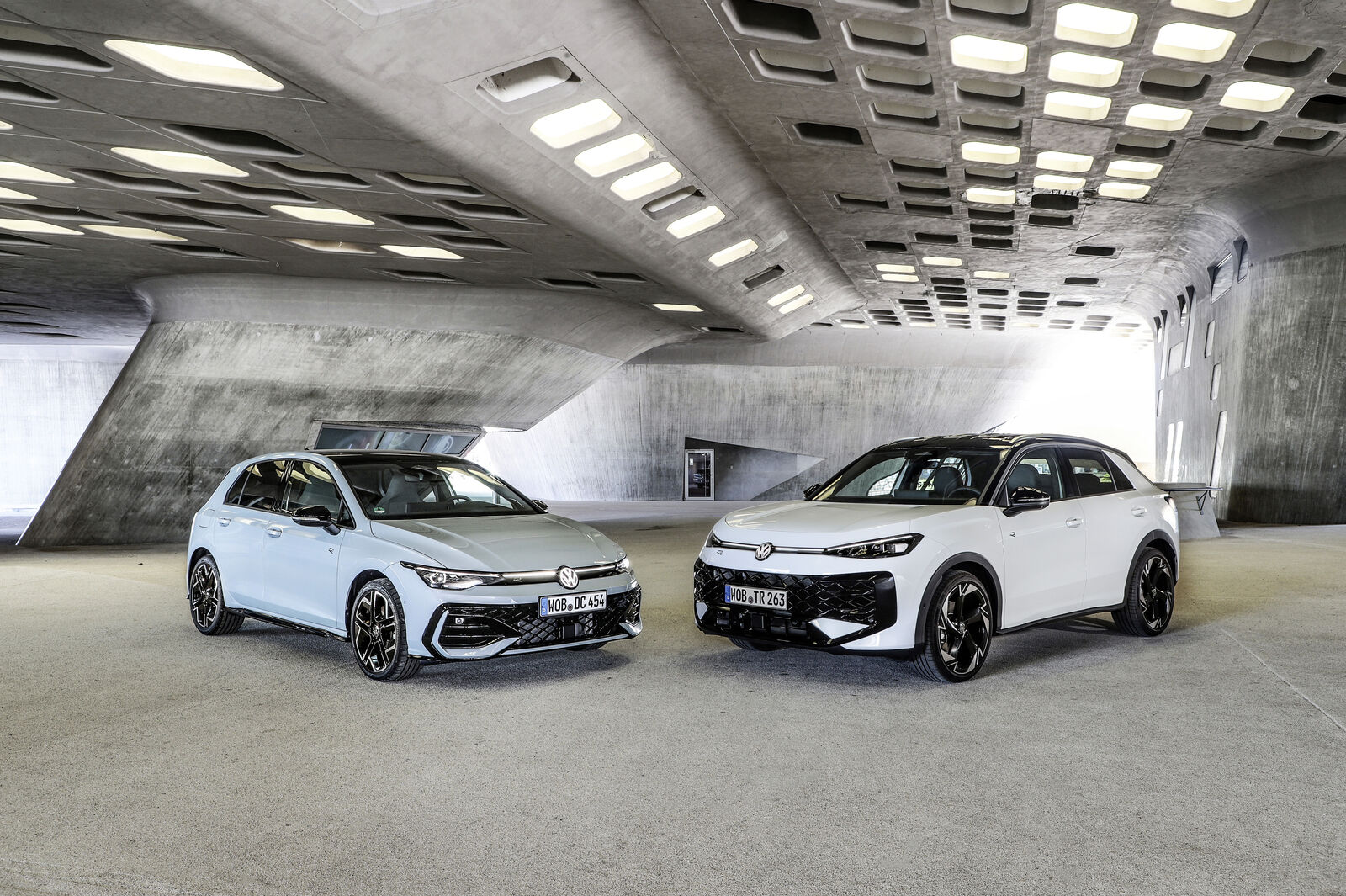
In an automotive world increasingly dominated by the push towards electrification, Volkswagen is poised to introduce a significant innovation that aims to simplify the transition for millions of drivers. The German automotive giant has unveiled a new full hybrid drive system designed to offer the benefits of electric mobility without the dependency on external charging infrastructure. This groundbreaking technology, slated for deployment in the popular Golf Hybrid and T-Roc Hybrid models from the fourth quarter of this year, promises a compelling blend of temporary electric driving, enhanced efficiency, and an impressive range.
The Promise of Cable-Free Electrification
The core appeal of Volkswagen's new full hybrid system lies in its inherent independence from charging cables and dedicated charging stations. Unlike plug-in hybrids (PHEVs) or battery electric vehicles (BEVs), which require external power sources, these new Volkswagen models generate their own electricity on board. This is achieved through a sophisticated combination of recuperation – capturing energy typically lost during braking and deceleration – and a turbocharged petrol engine working in tandem with a generator. This self-sustaining approach addresses one of the primary anxieties associated with electric vehicles: range anxiety and the availability of charging points.
For decades, the automotive industry has grappled with finding the perfect balance between performance, fuel efficiency, and environmental responsibility. Early hybrids, like the Toyota Prius, paved the way, demonstrating the viability of combining internal combustion engines with electric motors. However, these often had limited electric-only range and still relied heavily on the petrol engine. Volkswagen's new system represents an evolution, promising more substantial electric driving phases and a genuinely reduced carbon footprint without the logistical hurdles of external charging. This move is particularly strategic as global markets continue to demand greener transport options, but the charging infrastructure in many regions still lags behind.
Engineering Excellence: How it Works
At the heart of this innovation is Volkswagen's commitment to engineering prowess. The new full hybrid drive is not merely an incremental upgrade; it's a carefully integrated system designed for optimal performance and efficiency. The turbocharged petrol engine, a staple of modern Volkswagen powertrains, is now paired with an electric motor and generator unit. This allows for seamless transitions between electric-only driving, hybrid mode (where both power sources work together), and petrol-only operation.
Key operational aspects include: * Electric-only driving: For short distances, especially in urban environments, the vehicle can run purely on electric power, resulting in zero tailpipe emissions and silent operation. * Recuperation: Kinetic energy, which would otherwise be wasted as heat during braking or coasting, is converted back into electrical energy and stored in a compact battery. This significantly enhances efficiency, especially in stop-and-go traffic. * On-board generation: When the battery charge is low, or during periods of higher power demand, the petrol engine not only propels the vehicle but also drives the generator to replenish the battery. This ensures a continuous supply of electricity for the hybrid system without needing to plug in. * Optimized power delivery: The system intelligently manages power flow, deciding whether to use electric, petrol, or a combination of both, based on driving conditions, driver input, and battery state of charge. This results in smoother acceleration and improved overall driving dynamics.
Volkswagen has confirmed that this new full hybrid system will eventually be offered in two output levels, catering to a broader range of performance expectations and vehicle segments. This flexibility underscores the modularity and scalability of the new architecture, suggesting its potential application across more models in the future.
Impact and Implications for the Market
The introduction of Volkswagen's new full hybrid system carries significant implications for both the automotive market and environmental sustainability. For consumers, it offers a compelling middle ground between traditional internal combustion engines and full electric vehicles. It provides the immediate benefits of reduced fuel consumption and lower emissions, particularly in urban settings, without the lifestyle adjustments required by BEVs.
Key benefits for consumers include: * Reduced fuel consumption: Compared to a mild hybrid drive, Volkswagen promises significantly lower fuel consumption, leading to cost savings at the pump. * Lower emissions: The ability to drive on electric power for temporary phases contributes to a smaller carbon footprint and improved air quality, especially in cities. * Convenience: No need for charging cables or searching for charging stations, making the transition to electrified driving seamless. * Familiarity: The driving experience remains largely similar to conventional cars, easing adoption for those hesitant about radical changes. * Extended range: The petrol engine acts as a range extender, eliminating range anxiety entirely.
From a competitive standpoint, this move positions Volkswagen strongly against rivals who are also investing heavily in hybrid technologies. While many manufacturers focus on plug-in hybrids, VW's emphasis on a self-charging full hybrid offers a distinct advantage in markets where charging infrastructure is nascent or for consumers who prefer simplicity. This could capture a significant segment of buyers who are environmentally conscious but not yet ready for a full EV.
The Road Ahead: Vienna Motor Symposium and Beyond
Volkswagen plans to officially unveil the intricate details of this new drive system at the International Vienna Motor Symposium, scheduled from April 22 to 24, 2026, in the Austrian capital. This prestigious event is a traditional platform for showcasing cutting-edge powertrain technologies, and Volkswagen's presentation is highly anticipated by engineers, industry analysts, and enthusiasts alike. The symposium will likely provide deeper insights into the technical specifications, performance metrics, and the long-term strategic vision behind this innovation.
Looking forward, the success of the Golf Hybrid and T-Roc Hybrid will be crucial indicators for the broader adoption of this technology. If these models resonate with consumers, Volkswagen could rapidly expand the full hybrid system across its diverse portfolio, from smaller city cars to larger SUVs. This strategy aligns with the broader industry trend of offering multiple powertrain options – mild hybrid, full hybrid, plug-in hybrid, and battery electric – to cater to varying customer needs and regulatory environments worldwide.
Ultimately, Volkswagen's new full hybrid drive represents a pragmatic yet progressive step in the journey towards sustainable mobility. By making electrification more accessible and less dependent on external infrastructure, the company is not just introducing new models; it's potentially democratizing advanced hybrid technology, paving the way for a cleaner, more efficient automotive future for everyone. This innovation could very well be a game-changer, proving that high efficiency and environmental responsibility don't always have to come with the caveat of a charging cable.
Stay Informed
Get the world's most important stories delivered to your inbox.
No spam, unsubscribe anytime.
Comments
No comments yet. Be the first to share your thoughts!