White House Security Breach: Unpacking the Trump Evacuation Incident
President Donald Trump and First Lady Melania Trump were abruptly evacuated from the White House Correspondents' Association dinner by Secret Service, following reports of a 'shooter apprehended.' This unprecedented event sent shockwaves through Washington, raising critical questions about presidential security protocols and the nature of threats against the nation's highest office. Our report delves into the details of the incident, its immediate aftermath, and broader implications for national security.
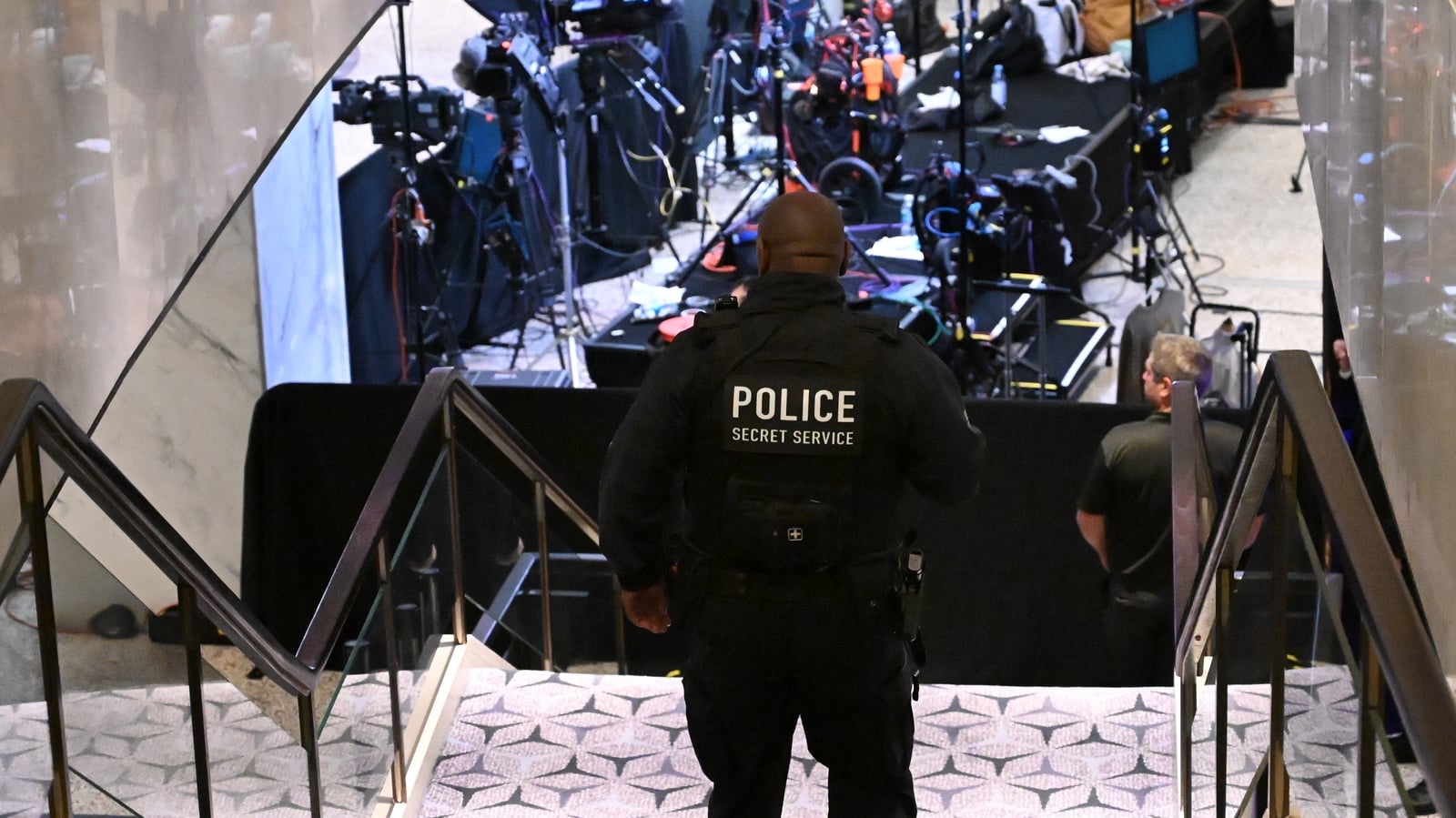
In an incident that sent a ripple of alarm through Washington D.C. and across the globe, President Donald Trump and First Lady Melania Trump were swiftly evacuated from the White House Correspondents' Association dinner by Secret Service agents. The President later stated that a "shooter has been apprehended," a declaration that immediately ignited a flurry of speculation and concern regarding the security of the nation's highest office. This unprecedented event, occurring at a high-profile gathering typically characterized by lighthearted banter between the press and the presidency, underscored the ever-present and often unpredictable nature of threats faced by the Commander-in-Chief.
The swift action by the Secret Service highlighted the rigorous protocols in place to protect the President, even as the specifics of the threat remained shrouded in initial confusion. The incident served as a stark reminder that despite layers of security, the vulnerability of public figures, particularly the President of the United States, is a constant operational challenge for security agencies. The immediate aftermath saw a scramble for information, with journalists and the public alike seeking clarity on what exactly transpired and the true extent of the danger.
The Incident Unfolds: A Moment of High Alert
The White House Correspondents' Association dinner is an annual event steeped in tradition, bringing together journalists, celebrities, and politicians for an evening of camaraderie and often, comedic roasts. On this particular evening, the atmosphere shifted dramatically when Secret Service personnel rapidly moved to escort President Trump and the First Lady from the venue. Eyewitness accounts described a sudden, urgent movement, with agents forming a protective cordon around the presidential couple. The President's subsequent announcement via social media or a brief statement to reporters, confirming the apprehension of a "shooter," was the first official indication of the severity of the situation.
Such an evacuation is not undertaken lightly. The Secret Service operates under extremely strict guidelines, and any decision to remove the President from a public event implies a credible and immediate threat. The training for these scenarios is intense and continuous, designed to ensure a seamless and rapid response under pressure. The efficiency of the evacuation, despite the chaos it undoubtedly caused among attendees, speaks to the professionalism and preparedness of the agents involved. It also brings into sharp focus the immense responsibility placed upon these individuals, whose primary mission is the protection of the President and other high-ranking officials.
Historical Context of Presidential Security
Presidential security has evolved dramatically throughout American history, often in response to tragic events. The assassination of Abraham Lincoln in 1865, James A. Garfield in 1881, and William McKinley in 1901, all while in office, led to the gradual strengthening of protective measures. The Secret Service, initially founded in 1865 to combat currency counterfeiting, was formally tasked with presidential protection after McKinley's assassination. Since then, its mandate has expanded significantly, incorporating advanced intelligence gathering, threat assessment, and sophisticated physical security protocols.
Perhaps the most pivotal moment in modern presidential security came with the assassination of John F. Kennedy in 1963. This event spurred a complete overhaul of Secret Service operations, leading to the implementation of more robust motorcade procedures, enhanced surveillance, and a greater emphasis on proactive threat neutralization. Subsequent attempts on presidential lives, such as the assassination attempt on Ronald Reagan in 1981, further refined these protocols, underscoring the constant need for adaptation against evolving threats. The current incident, while thankfully not resulting in injury, serves as a contemporary chapter in this long history of protecting the nation's leaders.
Implications for National Security and Public Trust
The immediate aftermath of such an incident extends beyond the physical safety of the President. It inevitably triggers a thorough review of security procedures, intelligence gathering, and inter-agency communication. Questions will undoubtedly be raised: How was the threat identified? What was the nature of the weapon or perceived threat? Were there any intelligence failures? The answers to these questions are crucial not only for refining security protocols but also for maintaining public confidence in the government's ability to protect its leaders and, by extension, the stability of the nation.
Furthermore, such events can have a chilling effect on public discourse and access to elected officials. While security is paramount, there is a delicate balance to be struck between ensuring safety and preserving the accessibility that is a hallmark of democratic governance. Overly restrictive security measures, while understandable, can create a barrier between leaders and the populace they serve, potentially fostering an environment of detachment or even suspicion. Finding this equilibrium is a continuous challenge for security agencies and policymakers.
The Role of Information and Misinformation
In the age of rapid information dissemination, incidents like this are often accompanied by a torrent of unverified reports, speculation, and sometimes, deliberate misinformation. The President's swift, albeit brief, statement about an apprehension was crucial in providing an initial anchor of information, but the lack of immediate, detailed official confirmation can create a vacuum filled by rumor. This highlights the critical role of official channels in providing timely and accurate updates to prevent panic and ensure the public is well-informed.
Journalists, particularly those present at the event, face the immediate challenge of reporting accurately under pressure, while also being mindful of not inadvertently aiding potential threats through premature disclosure of sensitive security details. The incident serves as a case study in crisis communication, demonstrating the need for clear, concise, and consistent messaging from authorities to manage public perception and maintain order.
Looking Forward: Continuous Vigilance
While the immediate danger passed without reported injury, the evacuation of President Trump from a public event is a stark reminder of the persistent and evolving threats faced by leaders worldwide. It underscores the reality that security is not a static state but a dynamic process requiring continuous adaptation, intelligence sharing, and unwavering vigilance. The Secret Service, along with other intelligence and law enforcement agencies, will undoubtedly conduct a comprehensive review of this incident, seeking to identify any vulnerabilities and implement further enhancements to presidential protection.
For the American public, such events reinforce the gravity of the responsibilities held by the President and the dedication of those tasked with their protection. It's a moment to reflect on the fragility of peace and order, even in the most secure environments, and the constant efforts required to preserve it. The incident, though alarming, ultimately showcased the efficacy of established protocols and the unwavering commitment of the Secret Service to their solemn duty, ensuring the continuity of government and the safety of its highest office.
Stay Informed
Get the world's most important stories delivered to your inbox.
No spam, unsubscribe anytime.
Comments
No comments yet. Be the first to share your thoughts!