Xbox Confirms Project Helix Remains First-Party: Debunking Third-Party Console Rumors
Xbox Vice President Jason Ronald has definitively quashed widespread rumors suggesting that Project Helix, the next-generation Xbox console, would be exclusively produced by third-party PC manufacturers. Ronald's statement reaffirms Microsoft's commitment to developing its own hardware, dispelling speculation that the company was abandoning its first-party console strategy due to waning brand interest. This clarification provides much-needed stability for the Xbox ecosystem and its dedicated player base, ensuring a consistent vision for the future of gaming.
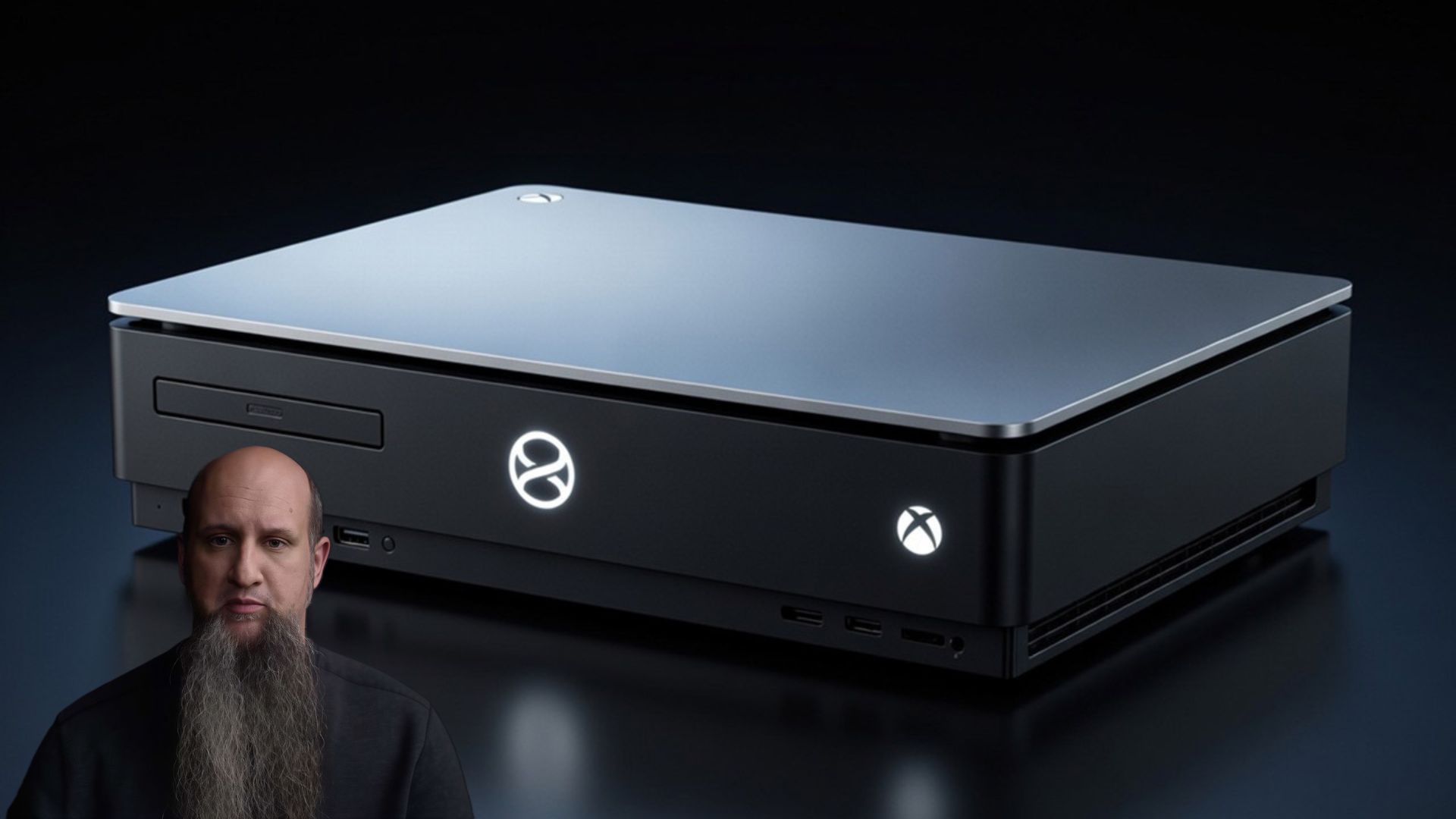
In the often-turbulent world of video game industry speculation, rumors can spread like wildfire, sometimes threatening to reshape public perception of even the most established brands. Such was the case recently with Project Helix, the codename for Xbox's anticipated next-generation console. Wild, unsubstantiated claims had begun circulating, suggesting a radical departure from Microsoft's traditional hardware strategy: that the next Xbox would not be a first-party console, but rather a platform exclusively manufactured by third-party PC makers like ASUS and MSI. However, these rumors have now been decisively shut down by none other than Jason Ronald, Xbox's vice president of next generation, bringing a swift end to what could have been a significant paradigm shift for the console landscape.
Ronald's intervention comes at a critical juncture, as the gaming community eagerly awaits details about the future of Xbox. The idea that Microsoft would cede control of its console hardware to external partners had gained traction in some corners, fueled by broader discussions about Xbox's evolving strategy, including its multi-platform game releases and the growing prominence of Game Pass. This speculation, however, fundamentally misunderstood Microsoft's long-term vision for its gaming division, which, as Ronald's statement underscores, remains firmly rooted in proprietary hardware development alongside its expanding software and services ecosystem.
The Genesis of the Helix Rumors: A Climate of Speculation
The origins of the Project Helix third-party console rumors can be traced to a confluence of factors. Firstly, the gaming industry has seen increasing convergence between PC and console gaming, with many Xbox titles now launching simultaneously on PC and through Game Pass. This blurring of lines led some to hypothesize that Xbox might fully embrace a PC-centric model, effectively becoming a software and services provider on a range of third-party hardware. Secondly, there have been ongoing discussions about Xbox's market share relative to its competitors, leading to narratives about "waning interest" in the Xbox brand. While Xbox has certainly faced challenges, interpreting these as a signal for a complete hardware divestment was a significant leap.
Historically, Microsoft has always been a key player in the console hardware space, starting with the original Xbox in 2001. Each subsequent generation – the Xbox 360, Xbox One, and Xbox Series X|S – has been a testament to Microsoft's commitment to designing and manufacturing its own gaming machines. While the company has explored various strategies, including the ill-fated Kinect push and the current emphasis on Game Pass, the core principle of first-party hardware has remained a constant. The Project Helix rumors, therefore, represented a dramatic break from this established pattern, prompting concern and confusion among fans and industry observers alike.
Jason Ronald's Clarification: Reaffirming Core Strategy
Jason Ronald, a veteran of Xbox and a key figure in the development of its next-generation initiatives, provided the definitive rebuttal. While specific details of his statement were not fully disclosed in the initial reports, the essence was clear: Project Helix will indeed be a first-party Xbox console. This means Microsoft will continue to design, develop, and manufacture the hardware, ensuring a cohesive ecosystem and a consistent user experience. This approach allows Xbox to maintain tight integration between its software, services, and hardware, optimizing performance and delivering exclusive features that might be difficult to achieve with a fractured, third-party hardware landscape.
Ronald's role as vice president of next generation lends significant weight to his words. His position places him at the forefront of shaping Xbox's future hardware and technological advancements. His clarification serves not only to dispel rumors but also to reaffirm Microsoft's strategic direction: a commitment to innovation in console hardware, alongside its robust software and services offerings. This is crucial for maintaining consumer trust and providing a clear roadmap for developers.
Implications for the Xbox Ecosystem and the Industry
The debunking of these rumors carries several significant implications:
* Stability for the Xbox Brand: For current and prospective Xbox users, this news provides stability and reassurance. It confirms that Microsoft is not abandoning its traditional console business model but is instead evolving it. Players can expect a dedicated Xbox hardware experience, with all the benefits of first-party integration. * Developer Confidence: Game developers rely on a stable and predictable hardware platform. A fragmented third-party ecosystem for Project Helix could have introduced significant development challenges, requiring optimization for multiple hardware variants. Ronald's statement ensures a unified target platform, simplifying development and potentially leading to more polished game experiences. * Continued Hardware Innovation: Microsoft's continued commitment to first-party hardware means it can invest directly in cutting-edge technologies, custom silicon, and innovative designs that push the boundaries of gaming. This contrasts with a potential scenario where third-party manufacturers might prioritize cost-effectiveness or existing PC component integration over bespoke console innovations. * Competitive Landscape: This clarification also impacts the broader console market. It signals that Xbox intends to remain a direct hardware competitor to PlayStation and Nintendo, rather than transitioning into a purely software-and-services provider on other companies' machines. This maintains a healthy competitive environment, which often benefits consumers through innovation and pricing.
While the allure of a diverse range of Xbox-branded PC-like consoles from various manufacturers might have appealed to some, the practicalities and strategic implications of such a move were always complex. Maintaining quality control, ensuring consistent performance, and fostering a unified brand identity would have presented formidable challenges.
Looking Ahead: A Clear Path for Xbox's Future
With the Project Helix third-party rumors firmly put to rest, Xbox can now focus on building anticipation for its next-generation console with a clear message. The future of Xbox will involve a dedicated, first-party hardware platform, seamlessly integrated with Xbox Game Pass, Xbox Cloud Gaming, and its expanding portfolio of first-party studios. This strategy allows Microsoft to offer a comprehensive and flexible gaming ecosystem, catering to both traditional console players and those who prefer cloud or PC gaming.
As the industry continues its rapid evolution, the balance between hardware, software, and services will remain a key differentiator. Xbox's reaffirmation of its first-party console strategy for Project Helix demonstrates a clear understanding of its strengths and its vision for the future. Gamers can now look forward to official announcements regarding the next Xbox, confident that it will be a product of Microsoft's own design and innovation, built to deliver the next leap in interactive entertainment.
Stay Informed
Get the world's most important stories delivered to your inbox.
No spam, unsubscribe anytime.
Comments
No comments yet. Be the first to share your thoughts!